
Last updated November 22, 2026
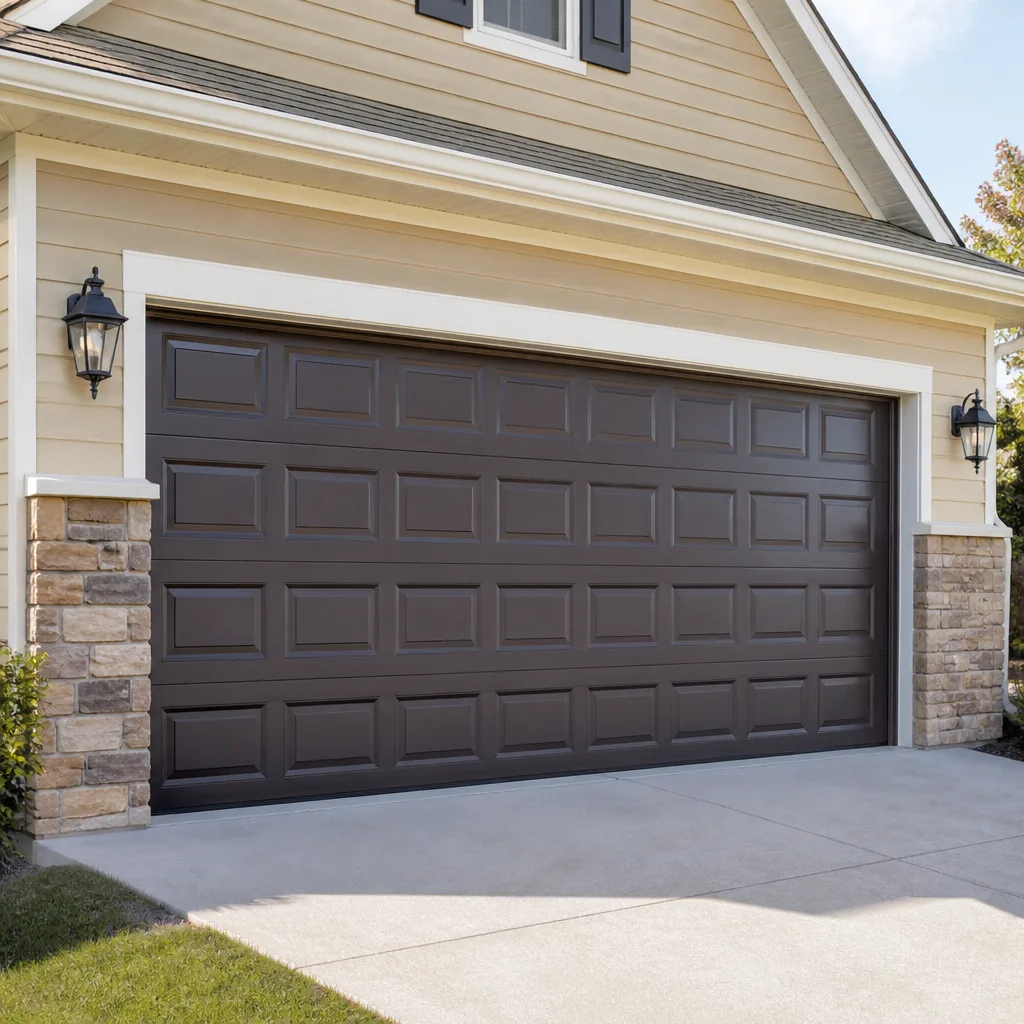 Raised-panel steel
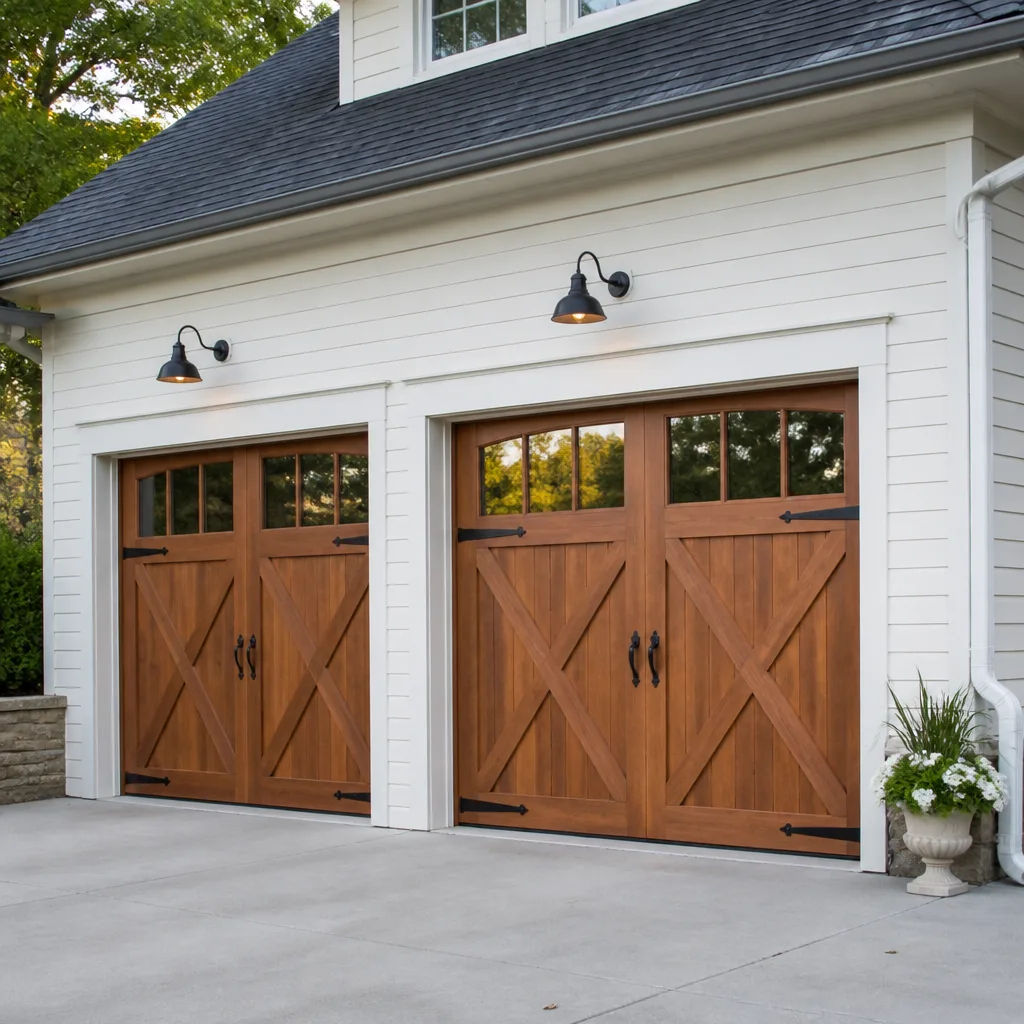 Carriage house
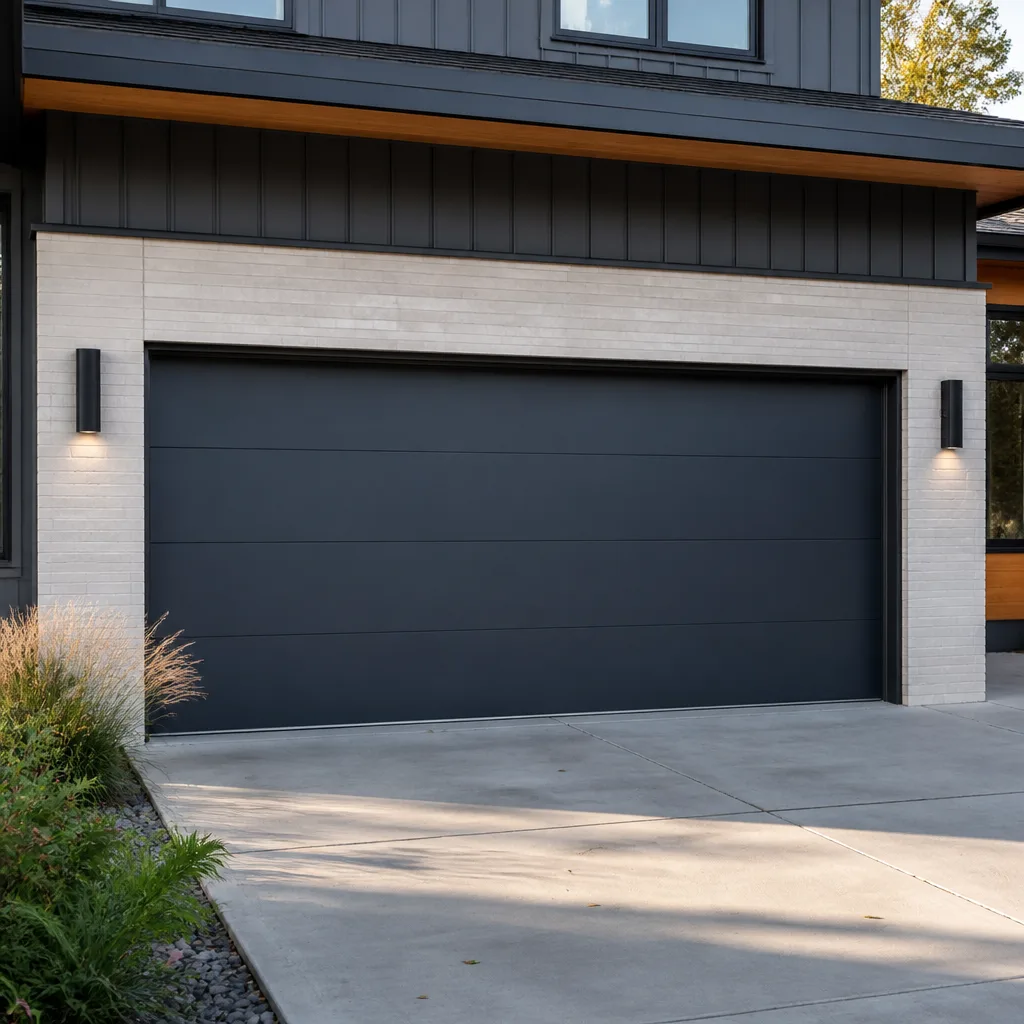 Modern flush
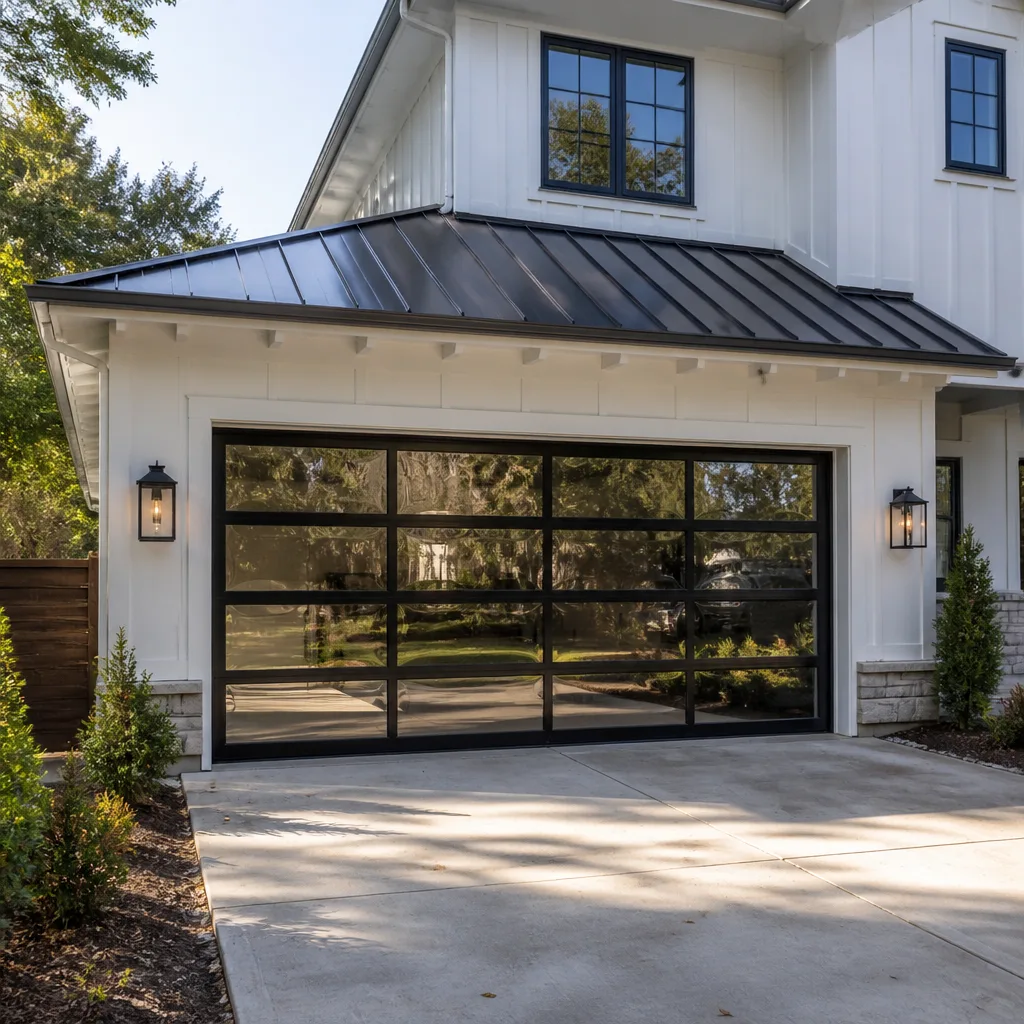 Full-view glass
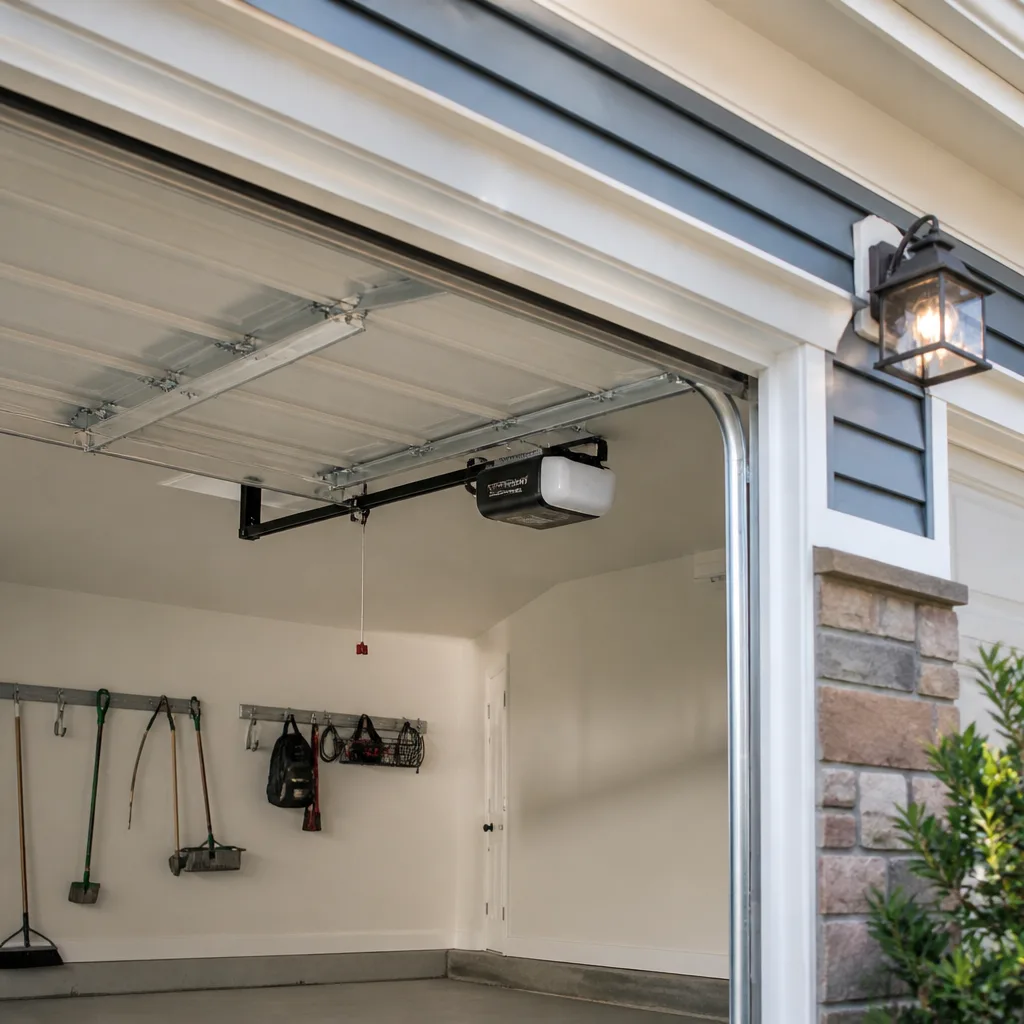 LiftMaster openers
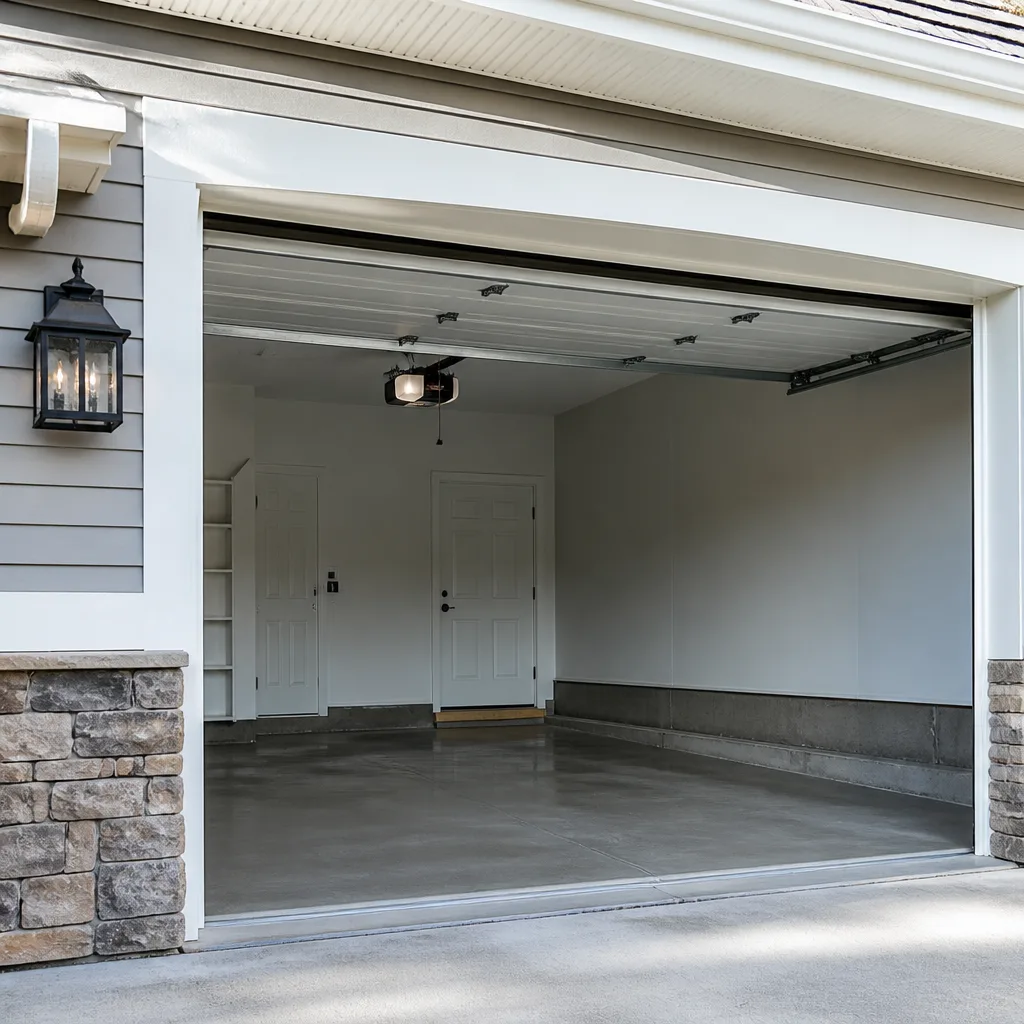 Chamberlain openers
Full 25-point door and opener safety check with every visit - springs, cables, rollers, tracks, and your LiftMaster or Chamberlain opener included
You get a price before we start. It does not change when the pro arrives.
Get your free estimateGarage Door Emergency Preparedness Guide for Hampden Homes
Most garage door advice assumes you have time. A door that shudders on the way up gives you weeks to think about it. A door that stops halfway down at 11pm in January gives you minutes. In Hampden, where winter temperatures can drop to dangerous lows overnight and plenty of homes use the garage as the main way in and out, a stuck door is a real emergency with a narrow decision window. This guide covers what to do before that window opens: how manual release works on every common opener, how to secure a door stuck open, how to keep a Colorado cold snap out of the garage, and what to have ready when you call.
Quick Answer
If your garage door fails, get the door secured or closed first, keep people clear of any broken spring or hanging cable, and call a specialist. Do not try to lift a door with a broken torsion spring by hand. In Hampden, the priority order is: secure the opening, protect the garage from cold, then book a repair. We answer 24/7 and run fast dispatch from 7am to 7pm, Sunday through Friday.
Styles & brands we work with
- Raised-panel steel
- Carriage house
- Modern flush
- Full-view glass
- LiftMaster openers
- Chamberlain openers
Table of Contents
- The First Twenty Minutes: What Actually Matters
- How to Use the Manual Release on Your Opener
- What to Do When the Door Is Stuck Open
- Emergency Weatherproofing During a Colorado Cold Snap
- How to Triage Your Emergency Call
- What You Should Never Do in a Garage Door Emergency
- Pre-Failure Prep: The One-Time Setup
- Repair or Replace? How to Think About It Under Pressure
The First Twenty Minutes: What Actually Matters
When a garage door fails in cold weather, the clock that matters is the one on your pipes and on the security of your home. An attached garage sits against interior walls, and a door left open in single-digit temperatures pulls cold air into that buffer zone fast. In our experience, homeowners spend the first ten minutes panicking about the door and the next ten discovering the real problem: the open doorway.
Here is the order that works:
- Check for people. Make sure nobody is under or near the door before you touch anything. Look for a broken spring (a gap in the coil) or a cable hanging loose. If you see either, stop and step away.
- Secure the opening. If the door won’t close, treat the garage as an open door to your house. See the section below on which barriers actually deter entry.
- Protect the interior. Shut the door between the garage and the house. That single door is your best freeze barrier. If you have a heat source near the garage, keep it clear.
- Document the failure. Note whether the opener light flashes, whether the door moved at all, and whether you heard a bang. That information shortens the diagnosis on a call.
- Call. Have your notes ready. A Hampden specialist can tell you quickly whether it’s an opener problem, a hardware problem, or a spring problem just from a few details.
Notice what is not on that list: fixing it yourself. For the majority of failures, the first twenty minutes are about containment, not repair. That is not a sales line. It is the safe way to handle a system under high mechanical tension.
How to Use the Manual Release on Your Opener
Every residential opener has a manual release, and almost nobody practices using it. That is a problem, because the release is the one piece of emergency equipment on a garage door you can safely operate yourself. The procedure differs slightly by opener type, but the principle is the same: the release disconnects the door from the opener so you can move the door by hand.
Standard trolley openers (LiftMaster, Chamberlain, Craftsman)
- Find the release cord hanging from the trolley on the rail. It usually has a red handle.
- Pull straight down, firmly, with one steady motion. You should hear or feel the trolley disengage.
- Lift the door slowly by hand using the handle at the bottom panel. If it feels extremely heavy, stop and do not force it.
- Once the door is where you want it, let it rest. Do not re-engage the trolley until the door is fully closed and the opener is in its down position.
What to do when the cord has never been pulled
This is the most common snag we hear about. On an opener that has gone years without a manual release, the trolley mechanism can stiffen, and the cord may feel stuck. Do not yank it hard or repeatedly. A stiff release is a symptom, not a fault you should solve with force. Pull with steady pressure once. If it won’t free up, leave it and call. Forcing a frozen trolley can damage the rail and turn a simple repair into a bigger job. If you have a Genie or another chain-drive system with a different release design, the same rule applies: steady pressure, not brute force.
A note on door types
Sectional doors with torsion springs above the door are the most common setup in Hampden, and they are also the heaviest. A door with a broken spring will feel like dead weight, and it can drop without warning. If the door lifts easily, that is fine. If it feels impossibly heavy, that tells you a spring has failed, and the door should stay where it is until a professional sees it.
What to Do When the Door Is Stuck Open
A door stuck open is a security problem first and a comfort problem second. The trick is separating measures that actually deter entry from measures that just make you feel better. In our experience, homeowners reach for the dramatic option and skip the effective one.
Methods that work
- Close and lock the door between the garage and the house. This is the single most effective step. It removes the garage from the equation entirely as an entry path.
- Park a vehicle close to the opening, inside or directly in front of the garage if your driveway allows it. A car in the doorway is a real physical barrier and hard to ignore.
- Use a heavy bar or brace across the inside of the opening if the door is down partially and you can place it safely without standing under the door.
- Turn on exterior lighting and leave it on. Bright, visible light makes a home a worse target.
Methods that don’t do much
- A chair or box in front of the opening. It’s the first thing someone moves.
- Taping the door closed. Tape on a garage door is not a barrier.
- Leaving the door cracked open with a wedge. A wedge under a partially open door can slip, and the door can come down hard.
- Relying on the opener’s remote. If the opener has failed, the remote is not your security.
If the door is stuck open and you need it secured for the night, call and get on the schedule. We answer 24/7, and a call outside dispatch hours is booked into the next opening, Sunday through Friday, 7am to 7pm. Getting on the list early beats waiting for a convenient time.
Emergency Weatherproofing During a Colorado Cold Snap
Colorado cold snaps are the reason a stuck garage door moves from annoyance to real concern. Temperatures can fall hard overnight, and an open or partially open garage loses heat fast. The goal is not to heat the garage. It is to keep the cold from reaching your plumbing and interior walls.
- Close the house-to-garage door and leave it closed. Do not use the garage as a shortcut while the outer door is open.
- Cover a partially open door from the inside with a heavy blanket or tarp hung across the opening if you can do it safely without standing under the door. This slows cold air movement, not stops it.
- Drip a faucet on any plumbing near or against the garage wall. Moving water is far more resistant to freezing than still water.
- Open interior cabinet doors on the garage-adjacent wall so warm air reaches the pipes.
- Keep the door between garage and house sealed. A rolled towel at the base helps if there’s a gap.
None of these replace a working door. They buy you time until the repair happens. If the door is fully open and overnight temperatures are dropping to dangerous lows, that is the exact situation where a same-day repair matters most. A broken spring or a failed opener is a mechanical failure, and it is the kind of job our technicians handle with up to 13 years of experience on the equipment you already own.
How to Triage Your Emergency Call
The fastest way to get an accurate repair is to give the dispatcher what they need on the first call. The difference between a vague call and a prepared one is often the difference between a quick diagnosis and a callback. Have this ready before you dial:
- The brand. Look at the opener and the door. LiftMaster, Chamberlain, Genie, Clopay, Amarr, Wayne Dalton, Craftsman, and Raynor are the systems we work on, and knowing the brand up front helps us bring the right parts.
- What happened. Did the door stop halfway? Did you hear a bang? Is the opener light blinking? Did the door reverse on its own?
- How the door feels. Can you lift it by hand? Is it heavy, stuck, or free?
- Where the door is now. Fully open, fully closed, or partway. This tells us how urgent the call is.
- Whether there is visible damage. A gap in the spring coil or a loose cable changes how the call should be handled.
- Your access situation. Can the technician reach the door? Is a vehicle blocking it?
Once you have those details, the call itself is short. We answer 24/7, and fast dispatch from 7am to 7pm, Sunday through Friday gets a technician to you. The estimate is free and the price is agreed before any work starts. You won’t get a surprise invoice after the fact.
If you need a broader refresher on what a normal repair visit involves, our guide to garage door repair covers the common failure points in detail.
What You Should Never Do in a Garage Door Emergency
Garage doors are one of the few systems in a home that combine heavy weight, high spring tension, and electrical parts. The risks are real. Here is what to keep clear of:
- Never try to repair or replace a torsion spring or cable yourself. Springs are under extreme tension, and a released spring can cause serious injury. This is a job for a trained technician, every time.
- Never stand under a partially open door while you try to figure out what’s wrong. It can drop.
- Never force the door up or down if it feels heavy or jammed. Forcing it can break the panels or bend the track.
- Never disconnect the opener and leave the door unsecured. Once the door is disconnected, it can be opened by hand from outside in many setups.
- Never run the opener repeatedly hoping it will catch. If it failed once, it will fail again, and repeated cycles can wear the gear or burn the motor.
- Never reach into the track to clear a blockage while the door is moving or the opener is powered.
If you’re not sure whether something is safe, the safe answer is to leave it alone and call. We work on springs as a dedicated service precisely because it’s the part of the job that carries the most risk and the least room for error.
Pre-Failure Prep: The One-Time Setup
The best emergency plan is the one you build before anything goes wrong. None of these tasks take more than a few minutes, and together they make every future failure easier to handle.
- Test your manual release now. Pull the cord once, confirm it disengages the door, then re-engage it with the door closed. A release you have used once is a release that won’t stick when you need it in January.
- Label the release cord. A bright tag or a piece of tape on the handle makes it findable in the dark.
- Keep a spare remote and fresh batteries. If the opener fails, a spare remote on a second frequency can isolate whether the problem is the remote or the opener.
- Save the repair number in your phone. Save (855) 490-5104 under “Garage Door” so it’s a single search away. The last thing you want to do at 11pm is scroll for a number.
- Check the door balance once a season. Disconnect the opener, lift the door halfway, and let go. A balanced door should stay put. If it drops or rises, the springs need attention.
- Inspect the weather seal and bottom rubber. A worn seal lets cold air in long before a failure.
- Write down your door and opener brands. Stick a note inside the garage door. You’ll never remember the model at 11pm.
If you’re due for a new opener or want to upgrade before the cold season, take a look at our garage door opener repair page for what’s involved, or our garage door installation page if a replacement is on the table.
Repair or Replace? How to Think About It Under Pressure
An emergency is the worst time to make a big decision, but sometimes it forces one. The honest rule we use: repair the door if the panels, track, and hardware are sound and the failure is isolated to a part. Replace it if the door has structural damage, the panels are separating, or the repair cost is climbing toward the cost of a new door.
A few practical guides:
- A broken spring on a solid door is usually a repair, not a replacement.
- A bent track is repairable if the panel edges aren’t damaged alongside it.
- Repeated opener failures on an older unit may point toward a new opener rather than a third repair.
- Panel separation, broken hinges, and rust along the bottom edge are signs the door is at the end of its useful life.
If you’re weighing it, ask for an honest answer. We’ll tell you whether to repair or replace. Our full installation capability means we can support a customer from a first repair through an eventual full replacement without you needing to line up a second contractor. For a full-service view of everything we handle, see Hampden Garage Door Repair.
Common Mistakes to Avoid
- Standing under the door to diagnose it. A partially open door can drop without warning. Keep clear of the opening until you know what failed.
- Opening the garage door on a cold morning before checking the seal. If the bottom rubber is frozen to the ground, the opener will strain and can fail. Break the seal free by hand first.
- Repeatedly hitting the opener button on a door that won’t respond. If it didn’t work the first time, cycling it again won’t help and can add wear. It’s a sign the opener or a safety sensor needs attention.
- Ignoring a blinking opener light. In Hampden and across Colorado, a blinking light usually means the safety sensor is misaligned or blocked. That is often a simple fix, and ignoring it strands the door.
- Leaving the garage door open overnight “because it’s not going anywhere.” An open door is an open invitation. Get it secured even if the repair waits until morning.
- Pulling the manual release while the door is up. That can drop the door hard. Disengage the trolley only with the door fully down and the opener idle.
- Calling a general handyman for a spring problem. A spring repair is a specialty job with real injury risk. Use a specialist who does this work as a dedicated service.
See the difference
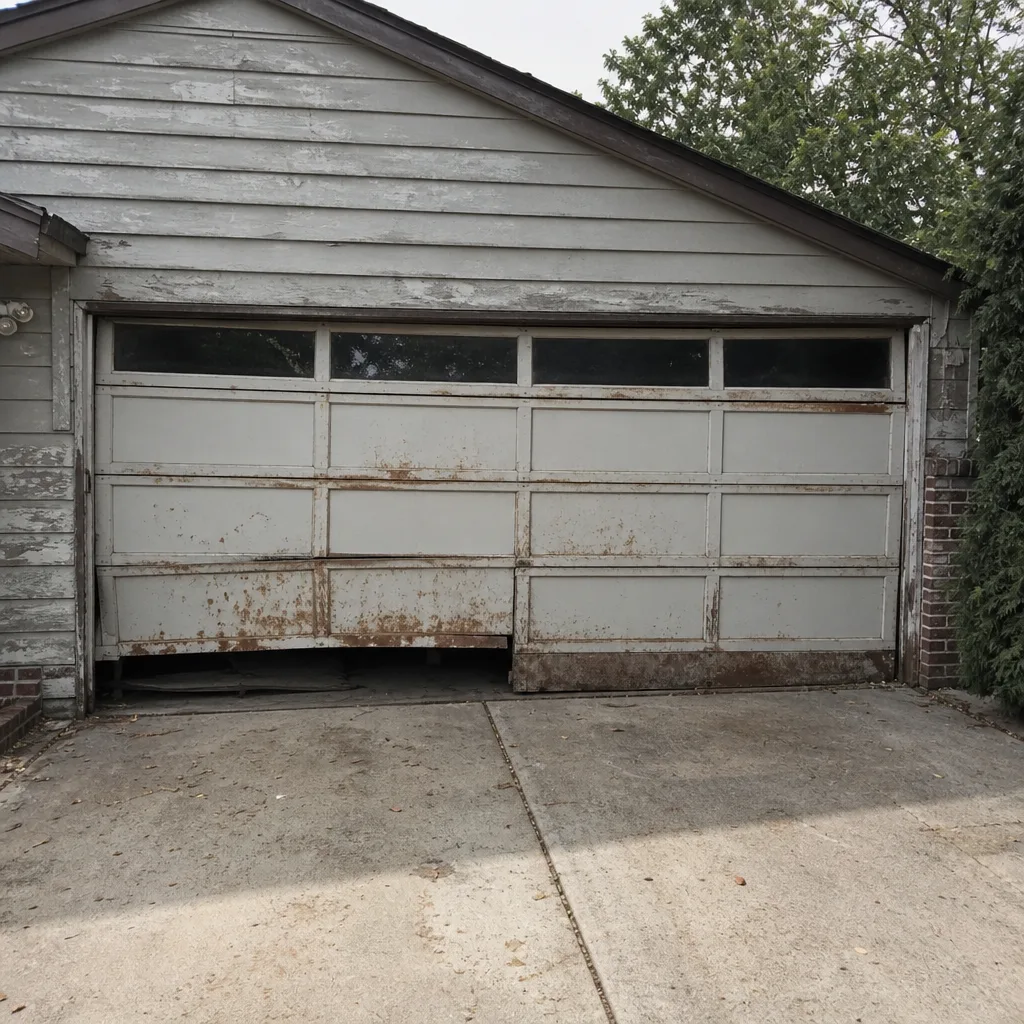 Before
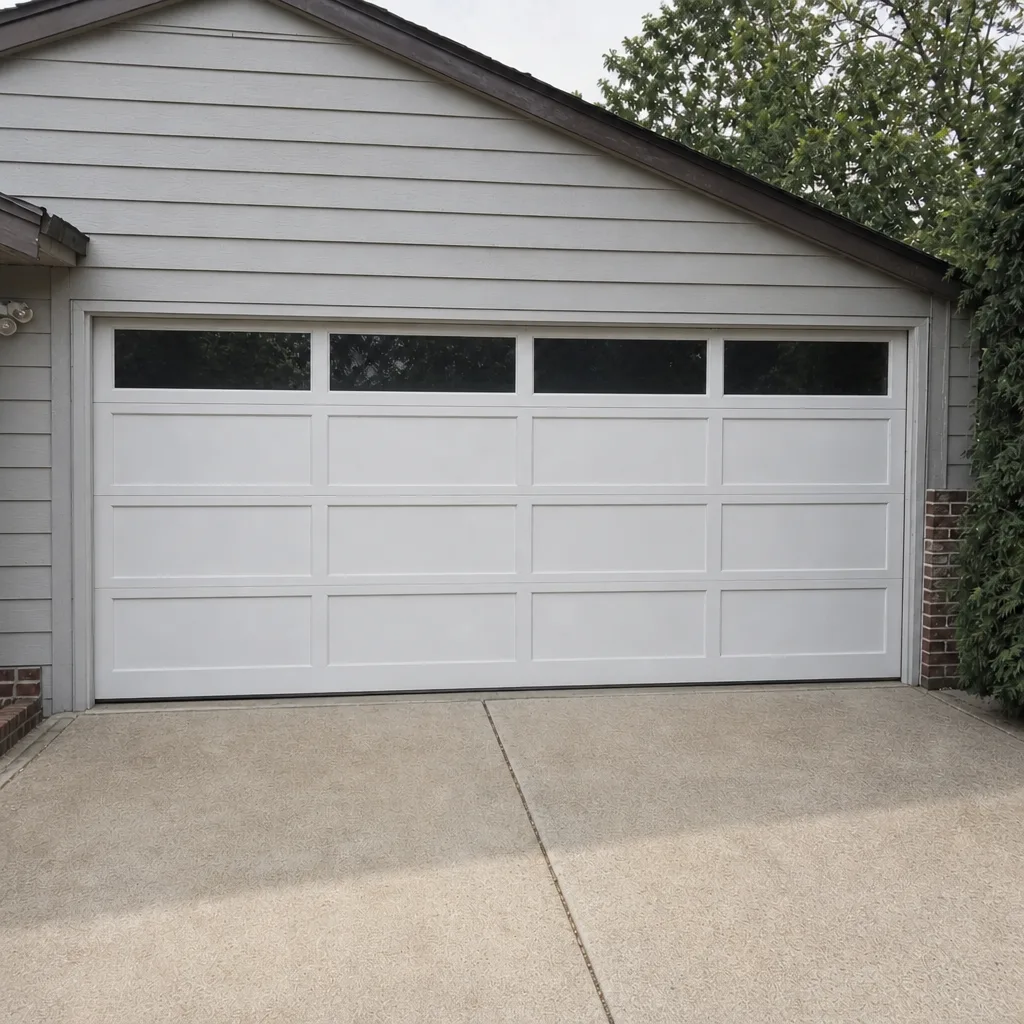 After
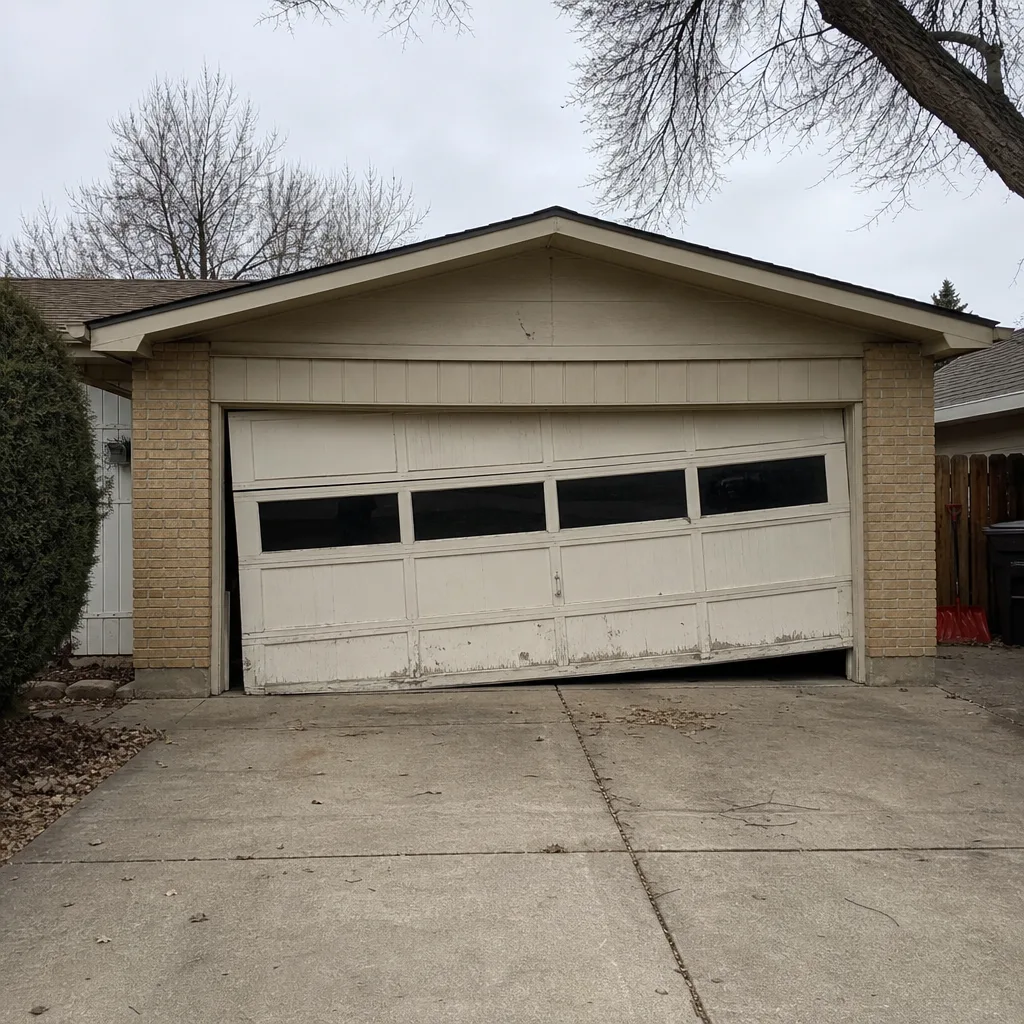 Before
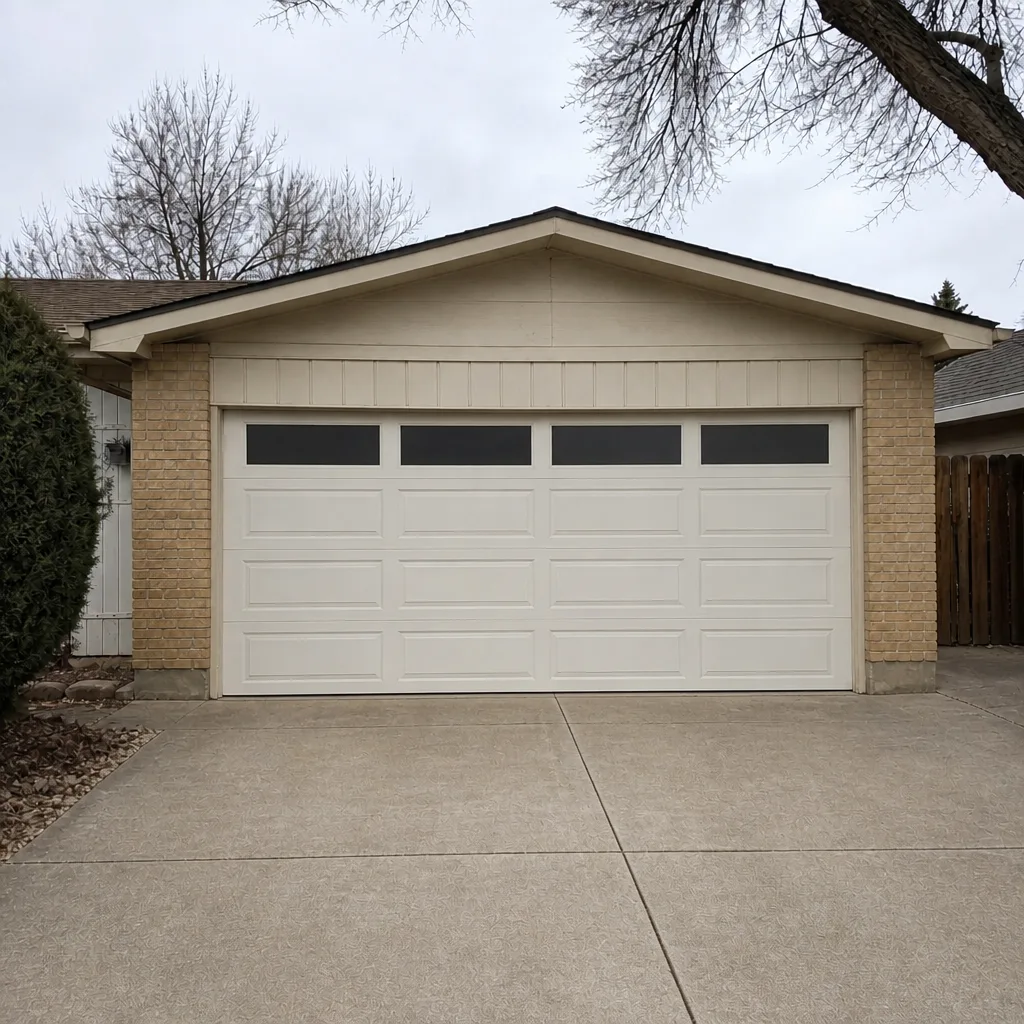 After
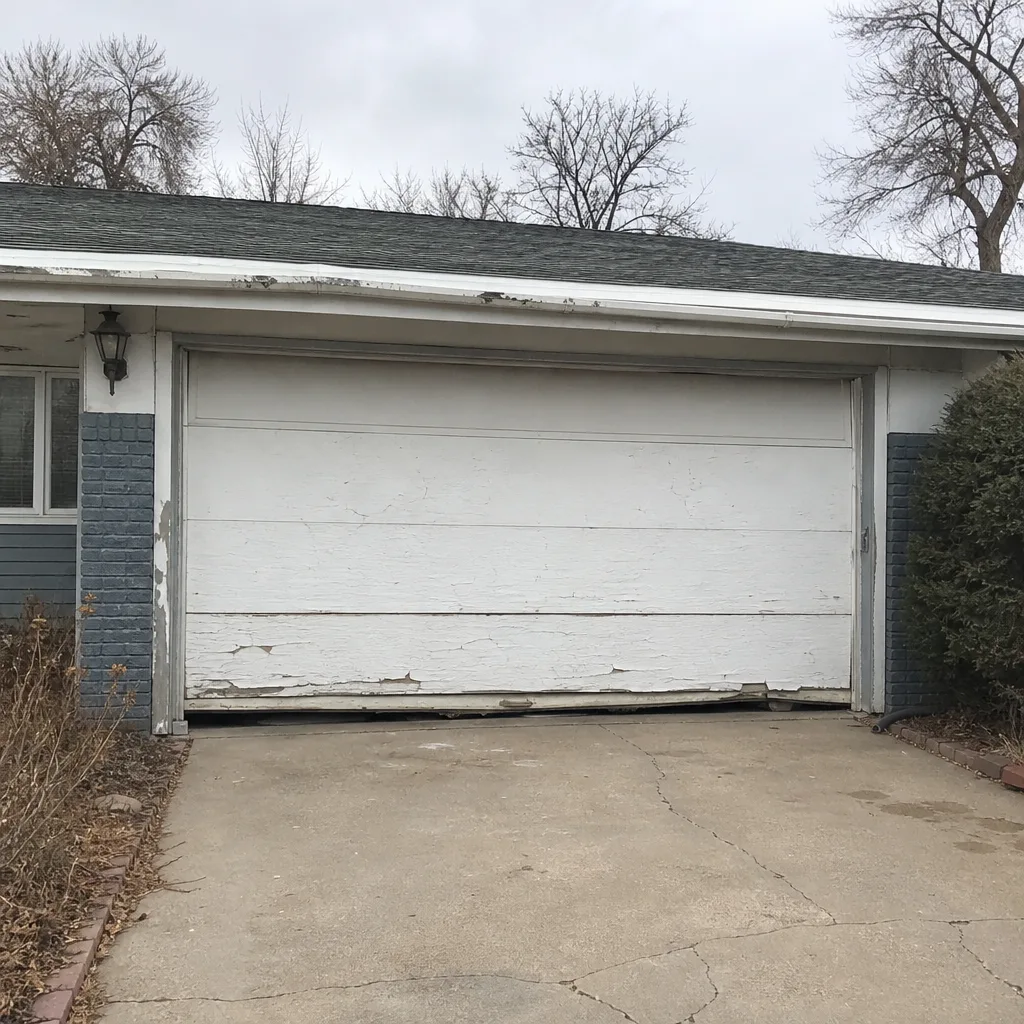 Before
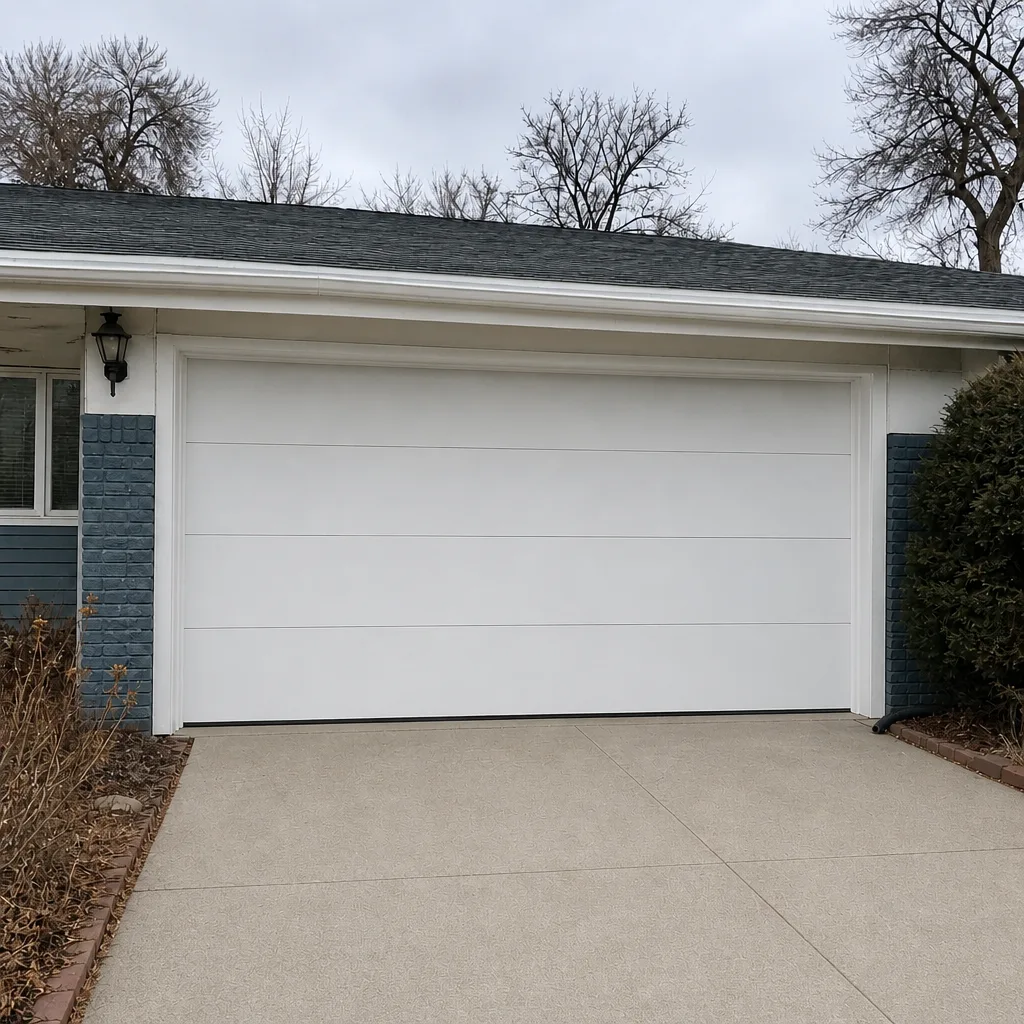 After
When to Call a Professional
Call a professional for anything involving a broken spring, a cable off its drum, a bent track, a door that won’t close all the way, or an opener that fails to respond to both the remote and the wall switch. Those are not DIY jobs. The exception is a sensor issue or a remote needing a battery – check those first, and if the door still won’t work, it’s a repair call. Hampden Garage Door Repair offers free estimates in Hampden. Call (855) 490-5104. We answer 24/7. Fast dispatch from 7am to 7pm, Sunday through Friday. Our technicians have up to 13 years of experience and work on the brand you already have, so the first visit is usually the only visit.
Frequently Asked Questions
First, check the safety sensors at the base of the tracks for a blockage or misalignment, then check the manual release hasn’t been pulled. If neither explains it, secure the opening and call. We answer 24/7, and a call outside dispatch hours is booked into the next opening, Sunday through Friday, 7am to 7pm.
Yes, using the manual release cord on the opener rail. Pull straight down once to disconnect the door from the opener, then lift the door by hand. If your opener has a battery backup, check the manufacturer’s manual before pulling the release. If the door won’t lift easily after release, the springs may have failed, and you should call.
Close and lock the door between the garage and the house, park a vehicle close to the opening, and leave exterior lights on. Skip the chair-in-the-doorway approach. Call (855) 490-5104 and get on the next dispatch opening so the door is repaired as soon as possible.
The price is set per job by the written estimate, which is free and agreed before any work starts. The cost depends on what failed – a spring, opener, cable, or sensor. Call (855) 490-5104 for an exact quote. Estimates are free.
Often, yes. We run fast dispatch from 7am to 7pm, Sunday through Friday, and same-day service is frequently possible. Call (855) 490-5104 and we’ll tell you the next opening based on the details of your door.
Yes. Cold makes metal contract and rubber stiffen, and a spring that’s already near the end of its life is more likely to break in a Colorado cold snap. A door that’s sluggish or noisy in winter is worth checking before the next cold front. Call (855) 490-5104 to book a look.
The Bottom Line
A garage door emergency is a problem with a narrow window and a clear order of operations: secure the opening, protect the house, then call. For Hampden homeowners, the cold-weather version of that adds up fast, because an open door in single-digit temperatures puts plumbing at risk overnight. The good news is that preparation is simple. Test your manual release, label it, save the number, and know your brand. If the door fails, call (855) 490-5104. We answer 24/7, prices are agreed before work starts, and our technicians have up to 13 years of experience on the brand you already own.
Written by the team at Hampden Garage Door Repair.