
Last updated November 22, 2026
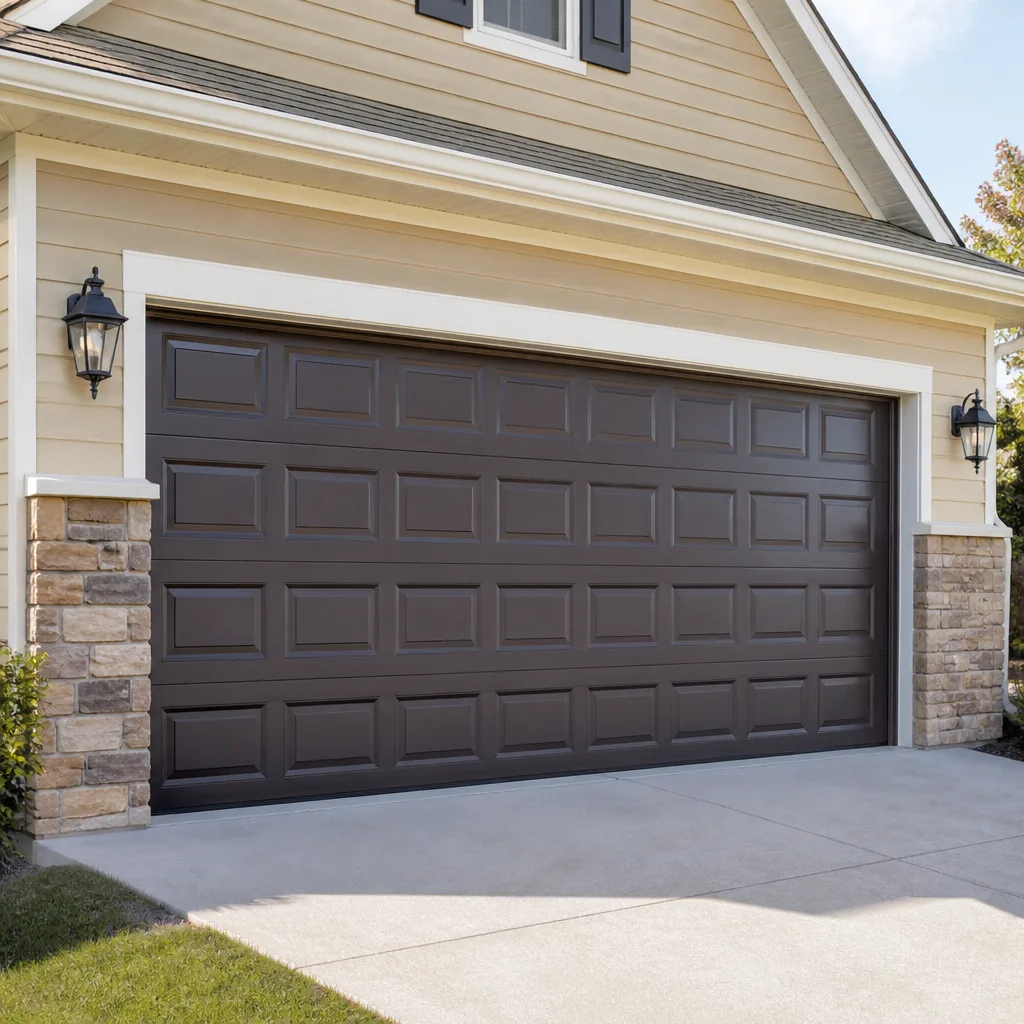 Raised-panel steel
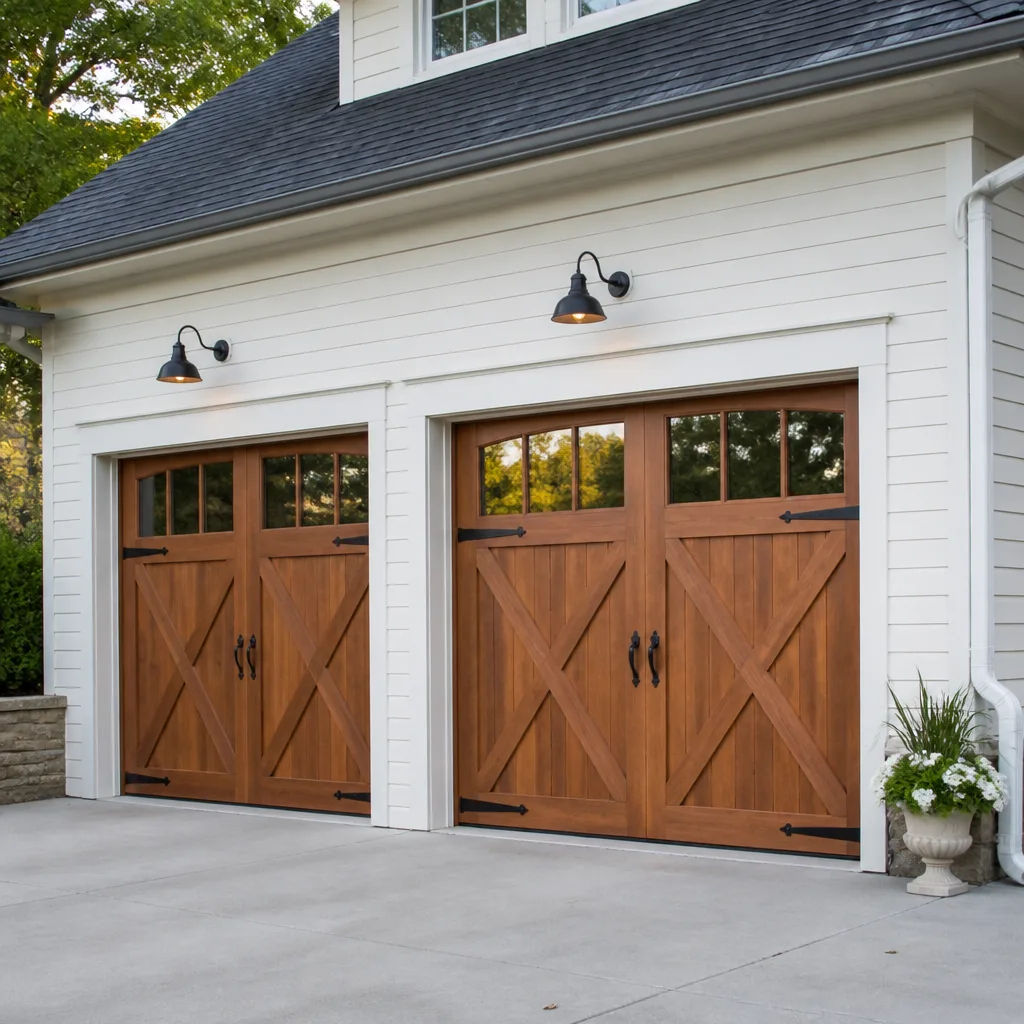 Carriage house
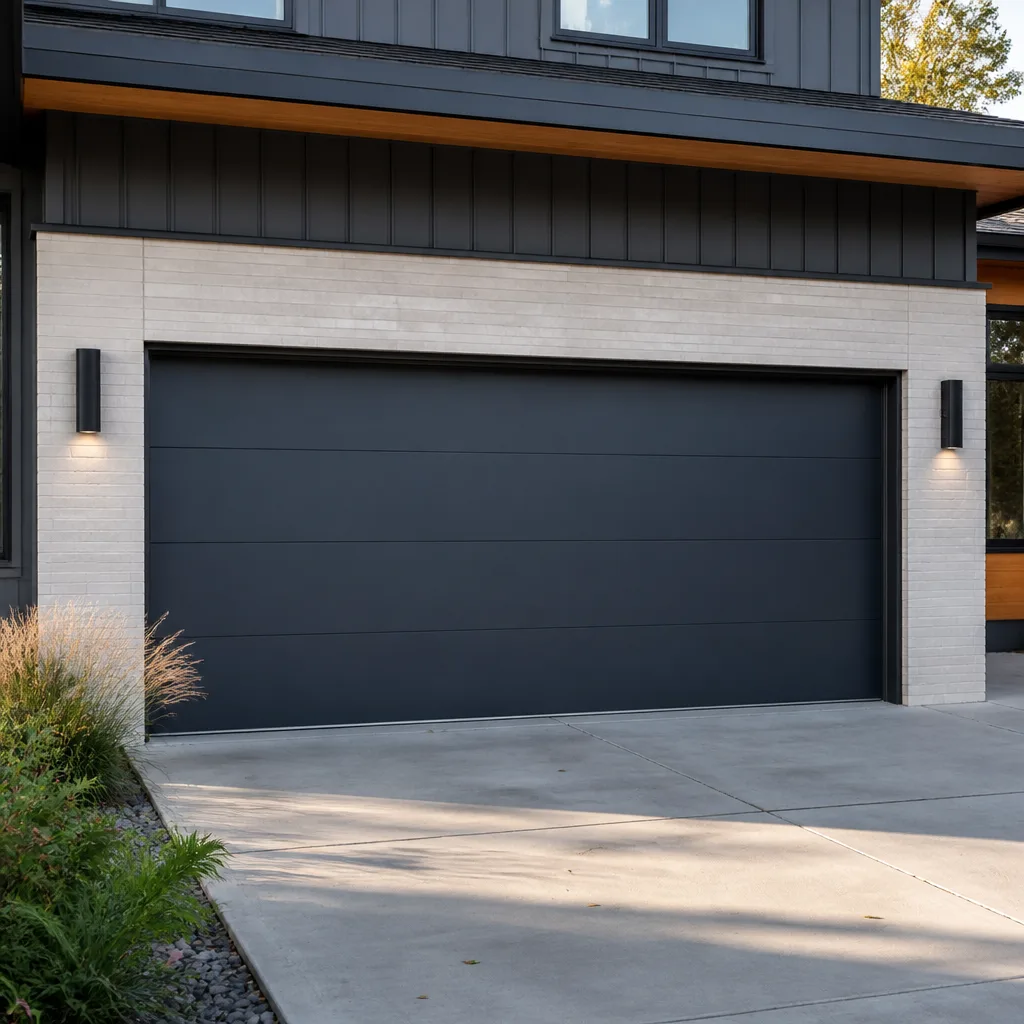 Modern flush
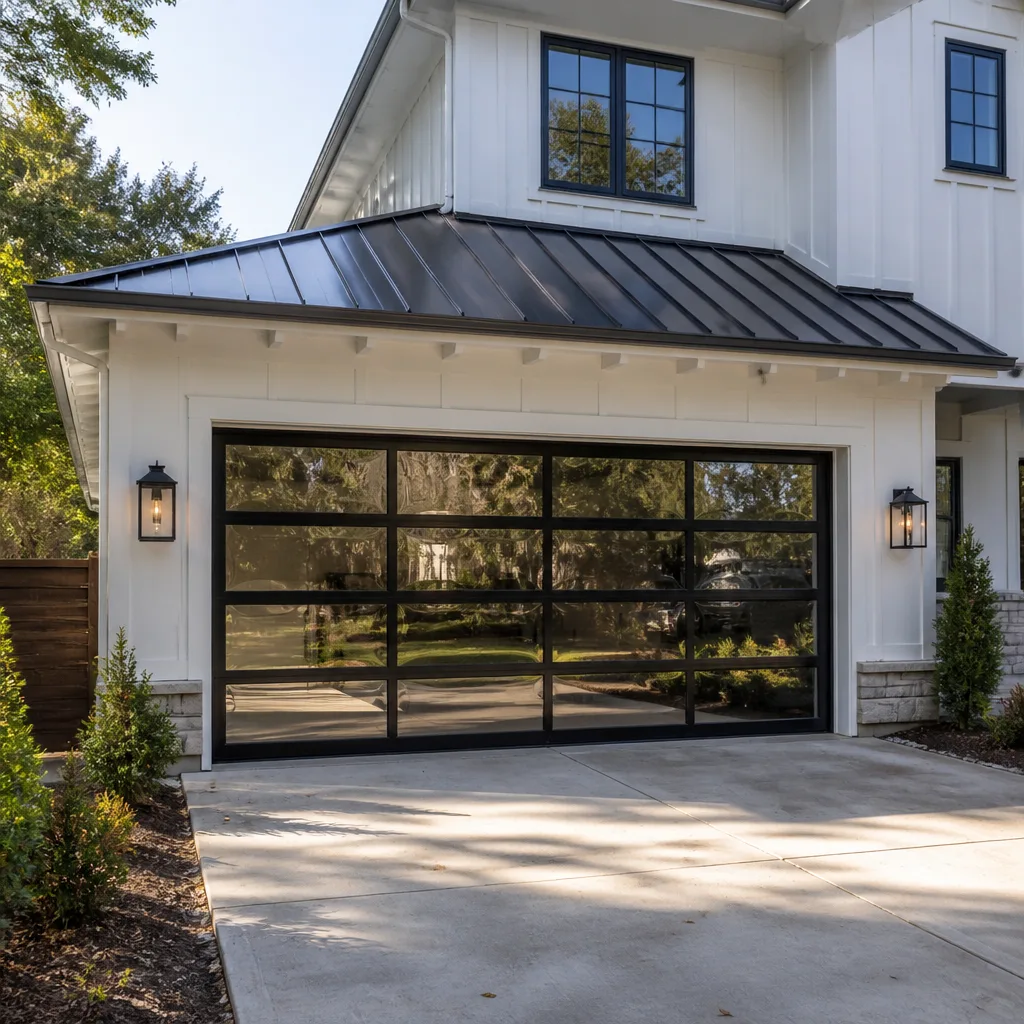 Full-view glass
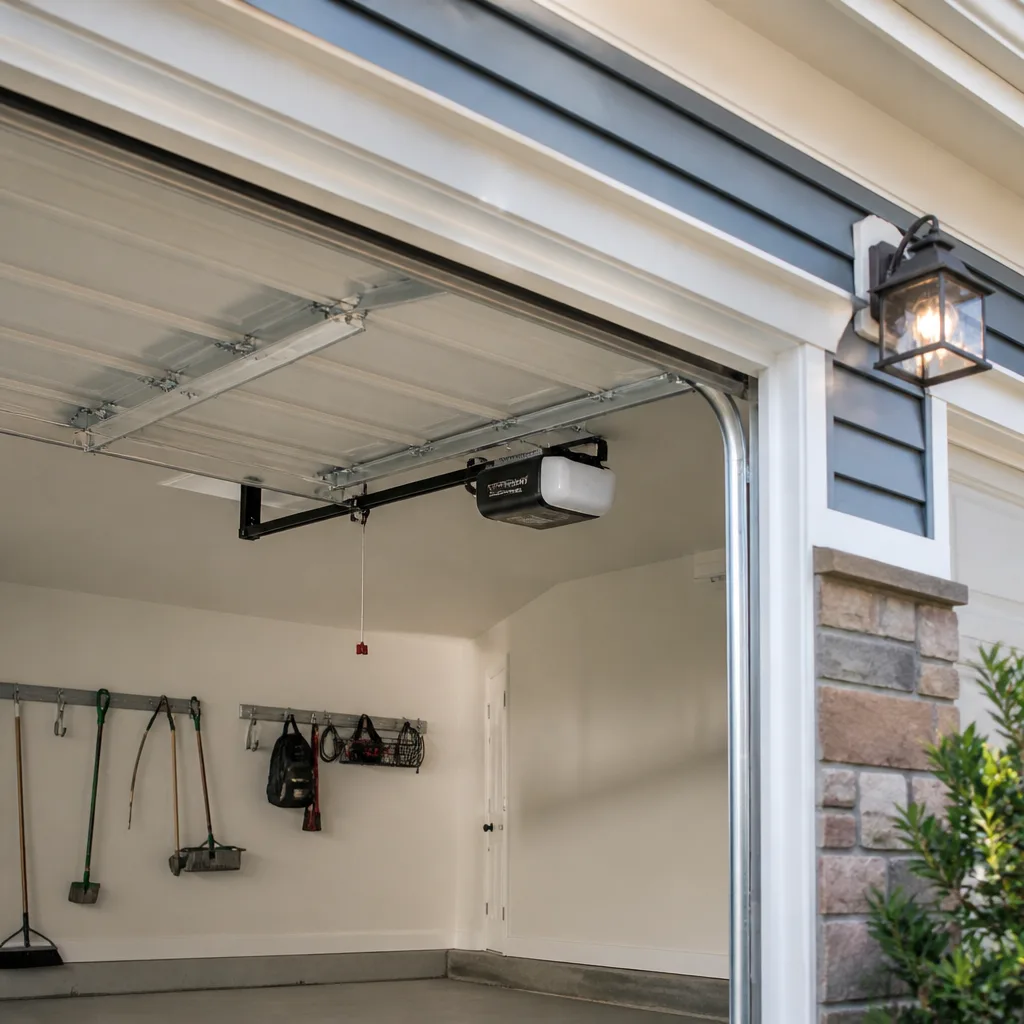 LiftMaster openers
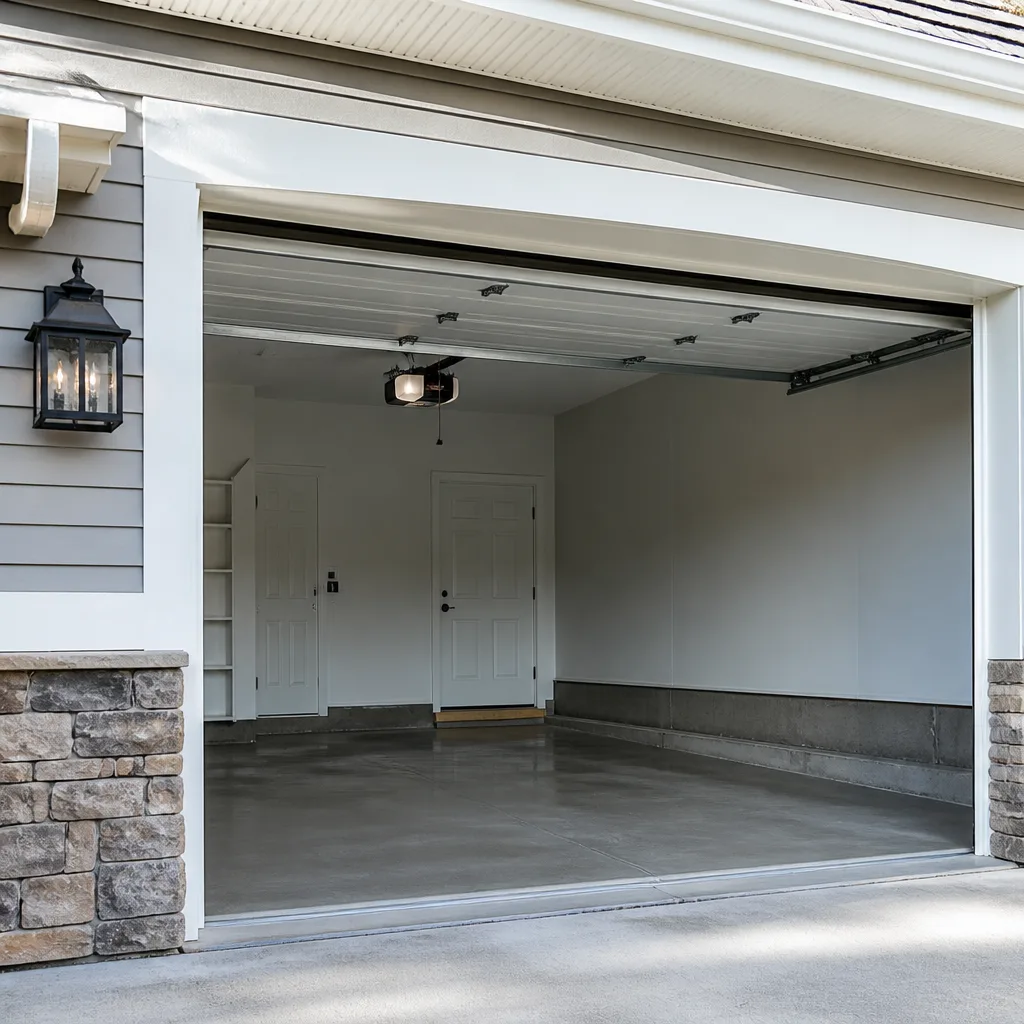 Chamberlain openers
Full 25-point door and opener safety check with every visit - springs, cables, rollers, tracks, and your LiftMaster or Chamberlain opener included
You get a price before we start. It does not change when the pro arrives.
Get your free estimateGarage Door Repair Maintenance Schedule: What to Do and When
Most garage door advice tells you to lubricate twice a year and call it done. That’s like changing the oil and never checking the brakes. A garage door doesn’t wear out evenly. Torsion springs have a rated cycle life, typically around 10,000 cycles, and most homeowners in Hampden hit that number in seven to nine years without ever thinking about it. By the time a spring snaps, the cables, drums, and bottom bracket have often been stressed right along with it. This guide replaces the generic checklist with a component-specific calendar, organized by what actually fails and when. You’ll learn what to inspect monthly, quarterly, and annually, how to run a balance test, and why Colorado’s freeze-thaw swings and high-altitude sun make some parts age faster here in Hampden than the manufacturer’s chart suggests.
Quick Answer
Inspect your garage door once a month with a visual check and a balance test, lubricate moving metal parts every three months, and book a professional service visit once a year. Springs, cables, and rollers should be replaced on their own timelines (roughly 7 to 10 years for springs, 10 to 15 for cables, 5 to 7 for rollers) rather than waiting for a failure. In Hampden, add a spring check and bottom-seal inspection every fall before the first hard freeze.
Styles & brands we work with
- Raised-panel steel
- Carriage house
- Modern flush
- Full-view glass
- LiftMaster openers
- Chamberlain openers
Table of Contents
- How Long Each Garage Door Component Lasts
- The Monthly Checklist: 10 Minutes That Prevent Most Breakdowns
- The Quarterly Routine: Lubrication and Hardware Checks
- The Annual Service Visit: What a Technician Actually Does
- The Balance Test and What an Out-of-Balance Door Costs You
- Colorado Climate Notes: UV, Freeze-Thaw, and Track Drift
- Maintenance That Extends Life vs. Maintenance That Gives False Confidence
- Common Mistakes to Avoid
- When to Call a Professional
How Long Each Garage Door Component Lasts
Every part on your door has its own lifespan, and they don’t line up. That’s the whole reason a single “twice a year” habit misses so much. The table below reflects what we see in Hampden homes running doors daily, with normal residential use of three to five open-close cycles per day.
- Torsion springs: rated around 10,000 cycles, which works out to 7 to 9 years at typical use. A high-cycle spring option roughly doubles that rating but costs more upfront.
- Extension springs: similar cycle rating, often a slightly shorter practical life because they stretch under load and can lose tension over time.
- Cables: 10 to 15 years. They’re under constant tension and are usually replaced alongside springs because a snapped spring can kink or fray them.
- Rollers: steel rollers last 5 to 7 years; nylon rollers often reach 7 to 10 but can develop flat spots. Worn rollers are the most common cause of a noisy door.
- Hinges: 7 to 10 years on the moving hinges; the end hinges that hold the bottom bracket take more abuse.
- Weather seal (bottom): 3 to 5 years in Colorado. UV and freeze-thaw crack it faster here than in milder climates.
- Opener drive system: belt and chain drives commonly last 10 to 15 years; screw drives vary. The opener motor usually outlasts the drive hardware.
- Photo-eye sensors and wiring: lifespan varies, but they’re the most frequent opener fault we’re called out to fix.
Two things matter about this table. First, the timelines overlap. A door at year eight likely has springs nearing the end, rollers halfway through a second set, and a bottom seal that’s been replaced once already. Second, nothing in this list fails with a warning you’d notice from the driver’s seat. You learn a spring is ready to go by inspecting it, or you learn it the morning it breaks. Our technicians have up to 13 years of experience reading these signals, and that inspection is the core of what a professional service call is for. If you want the full picture on what a Hampden Garage Door Repair visit covers, that’s where we start.
The Monthly Checklist: 10 Minutes That Prevent Most Breakdowns
A monthly check is mostly looking and listening, not fixing. The point is to catch a change before it becomes a failure. Here’s the routine, in order.
- Listen for a change in sound. A door that suddenly grinds, squeals, or rumbles is telling you something. Note it.
- Watch the door travel. It should open and close smoothly and evenly, without jerking or hesitating partway up.
- Run the balance test. (Full instructions in the section below.) If the door won’t hold halfway, the springs or cables are involved.
- Look at the springs. A torsion spring shows a visible gap when it breaks. Extension springs sometimes have a stretched or separated coil.
- Check the cables. Look for fraying, kinks, or slack near the drums at the top and the bottom bracket.
- Inspect the rollers. Worn rollers will look flat-spotted, cracked, or loose in their stems.
- Test the photo-eye safety sensors. Wave an object through the beam while the door is closing. It should reverse immediately.
- Test the auto-reverse (contact) safety. Place a flat board on the ground under the door and close it. The door should reverse on contact.
- Glance at the weather seal. Look for gaps, cracks, or daylight showing under the closed door.
- Check the hardware. Run a hand along the hinges and brackets (door closed, opener disconnected) and look for loose bolts.
None of this takes long. The value is that you’re building a baseline. Once you know what your door normally sounds and feels like, an off day is obvious. Here in Hampden, where the temperature can swing thirty degrees in a day during spring, the monthly cycle matters more than in a steady climate, because thermal movement is what loosens hardware over time.
The Quarterly Routine: Lubrication and Hardware Checks
Lubrication is the task most homeowners get half right. The trick is knowing what to lubricate and, just as importantly, what not to. A white lithium grease or a dedicated garage door lubricant works; WD-40 as a general spray is not a lubricant for this job and will attract dust. Our technicians use a purpose-made door lubricant on the moving metal surfaces and leave the rest alone.
What to lubricate every three months:
- Torsion spring coils (a light coat, not a heavy one)
- Hinge pivots on every hinge
- Roller stems and the bearing surface, not the roller face itself
- The metal bearing plates at the ends of the torsion shaft
- The lock, if you have a manual one
- The opener’s rail or chain, following the opener maker’s guidance; Genie and Chamberlain units differ slightly in what they want
What not to lubricate: the tracks, the cables, and the bottom seal. Lubricating tracks attracts dirt and grit that gum up the rollers, and greasing cables does nothing for wear. Skip those.
Pair the lubrication with a hardware tightening pass. With the door closed and the opener disconnected, check every hinge, bracket, and hinge bolt. Snug any that move. Don’t overtighten, because stripping a hinge hole turns a small job into a bracket replacement. During this same quarterly visit, re-test both safety features and inspect the bottom seal for new cracks. In Hampden, the fall and spring quarterly visits are the important ones, since those bracket the freeze-thaw season that stresses seals and loosens track hardware.
The Annual Service Visit: What a Technician Actually Does
An annual professional service isn’t a substitute for what you do yourself. It covers what you can’t safely reach or accurately judge. A proper annual visit covers three areas.
Springs and cables. These are the safety-critical parts, and they’re also the ones homeowners should never work on. A torsion spring under tension can cause serious injury if you try to adjust or replace it yourself, and the cables are under similar load. A trained technician measures spring tension, checks the cable condition at the drums and bottom bracket, and tells you how much life is realistically left. That measurement is the single most useful thing in the whole visit, because it lets you plan a spring replacement instead of scheduling an emergency repair.
The opener and its drive. This is where multi-brand familiarity earns its keep. Whether you have a LiftMaster, a Chamberlain, or an older Craftsman or Genie unit, the service includes checking the drive’s wear, the force settings, and the safety reverse. If a force setting has drifted, the opener has been working harder than it should, and correcting it extends motor life. Opener problems are common enough that we treat garage door opener repair as its own specialty rather than an afterthought to a door repair.
Tracks, hardware, and the door itself. The technician checks track alignment with a level, verifies the rollers, inspects hinges and brackets, and looks at the panels for warping or stress cracks. Wood doors get a check for moisture damage along the bottom rail, which is where freeze-thaw damage starts in Colorado.
One practical note: the visit is a good time to make a repair-or-replace call on older parts. A door with original springs, worn rollers, and a bottom seal that’s on its second replacement is putting money into a system that may be closer to replacement than repair. We’ll give you a straight answer on that rather than defaulting to either. When a door really is at the end of its life, garage door installation is the honest recommendation, and we’ll tell you so.
The Balance Test and What an Out-of-Balance Door Costs You
The balance test tells you whether your springs are doing their job. If they’re not, the opener is quietly picking up the slack, and that’s where premature opener failure starts.
How to run it:
- Close the door and disconnect the opener using the manual release cord.
- Lift the door by hand to about halfway and let go.
- A balanced door holds its position or moves only slightly.
- If it drops or rises on its own, the springs are out of balance or worn.
- Reconnect the opener and, if the door failed the test, arrange a professional check before using it further.
Here’s the part most guides skip. A door that fails the balance test isn’t just a spring problem; it’s an opener problem in the making. The motor is rated to move a balanced door. When the springs stop carrying their share of the weight, the opener carries it instead, every single cycle. Over months, that shows up as a strained motor, a worn drive gear, or an opener that eventually can’t complete the lift. A balance test you run monthly costs nothing and buys you the early warning that keeps an opener from being replaced a few years early.
Two situations make the balance test especially worth running in Hampden. The obvious one is a spring that’s close to its cycle limit. The less obvious one is the temperature extremes we get here: metal springs change tension with temperature, so a door that feels heavy on a cold morning may balance fine in July. A single test in one season won’t catch that.
Colorado Climate Notes: UV, Freeze-Thaw, and Track Drift
A maintenance calendar built for a mild climate will miss things in Hampden. The local conditions change which parts wear first and how fast.
UV degradation on the bottom seal. Colorado gets high sun intensity thanks to elevation, and that ages the rubber bottom seal faster than manufacturers’ charts assume. A seal that’s supposed to last five years here often shows cracking in three. The failure shows up as drafts, water intrusion during spring storms, and pests finding the gap. Replacing the bottom seal is a small, inexpensive job, and doing it on a three-to-five-year cycle beats waiting for a visible gap.
Freeze-thaw effects on wood doors. Water collects along the bottom rail and in the joints of a wood door. Repeated freezing and thawing works into those joints, swells the wood, and eventually causes splitting. A wood door here needs a spring and fall check on the bottom rail and joints, plus a fresh finish coat every few years. A steel or composite door from Clopay or Amarr sidesteps most of that, which is part of why those doors are common in Hampden.
Track alignment drift. Metal expands and contracts across the temperature range. The brackets holding your tracks can shift a little with each big swing, and over a few seasons the track drifts out of plumb. You’ll hear it before you see it: a door that binds or grinds at one point in its travel. Tracks are checked and gently realigned during an annual service. If a door is badly out of alignment, that’s garage door repair territory, not a maintenance fix.
One more local point: doors from Wayne Dalton and similar manufacturers sometimes use proprietary track and hardware, so replacing a worn component with a generic part can cause new problems. Familiarity with the brand you already have saves guesswork here and means the right part goes on the first time.
Maintenance That Extends Life vs. Maintenance That Gives False Confidence
The biggest trap in garage door maintenance is treating a task as done when the part is worn. Lubricating a worn roller makes the door quieter for a few weeks. It doesn’t restore the roller, and the flat spots are still there wearing the track. Quiet is not the same as healthy.
Similarly, tightening a hinge that keeps working loose isn’t a fix. A hinge that won’t stay tight usually has a stripped hole, and a loose end hinge puts extra load on the bottom bracket. Adjusting your opener’s force setting upward to compensate for a binding door is another false fix: you’ve just taught the motor to push through a problem that will keep growing.
Three habits separate maintenance that works from maintenance that just feels productive:
- Replace, don’t just lubricate, when a part is worn. Rollers with flat spots, cracked hinges, and frayed cables are replacement items. Lubrication is for parts that are still sound.
- Check parts on a timeline, not on noise. A worn part often sounds fine. Your monthly and annual checks exist to catch it before it complains.
- Know which jobs are yours and which aren’t. Visual checks and lubrication are yours. Springs, cables, and force-setting adjustments are not, for good reason.
We’ll tell you honestly whether a given door needs a repair or a replace, and we won’t upsell a part that’s doing its job. The right schedule lets you make that call on your own time instead of on a morning when the door won’t open.
Common Mistakes to Avoid
- Lubricating the tracks. It’s one of the most common mistakes, and it backfires. Grease on the tracks traps grit that wears the rollers, so keep them clean and dry instead.
- Skipping the balance test in winter. Springs change tension with temperature, so a summer-only test in Hampden can miss a door that’s failing to carry its weight on cold mornings. Test season-round.
- Raising the opener’s force setting to fix a heavy door. That masks binding, worn springs, or track problems and burns out the opener down the line. Fix the underlying cause instead.
- Using a generic part on a branded door. A Wayne Dalton or Clopay door sometimes needs proprietary hardware. A generic roller or hinge that half-fits causes new problems, so match the part to the brand.
- Ignoring the bottom seal for years. UV cracks it faster here than the package assumes, and a cracked seal lets in drafts and water. Replace it every three to five years rather than waiting for visible damage.
- Adjusting or replacing springs yourself. These parts sit under serious tension and a mistake can cause a severe injury. Leave spring and cable work to a trained technician, every time.
- Waiting for a part to fail before checking it. Your springs will hit their cycle limit whether or not you’ve looked at them. Inspection on a calendar beats repair on an emergency basis.
When to Call a Professional
Some jobs belong on your own list and some don’t. Call a professional for anything involving springs, cables, or the bottom bracket; for a door that fails the balance test; for a track that has drifted; and for any opener that reverses inconsistently, loses force, or won’t hold its settings. Call sooner rather than later if a door has started binding at one point in its travel, since that’s often a sign of track drift or a failing roller that will wear the door further. Hampden Garage Door Repair offers free estimates in Hampden. Call (855) 490-5104 for a free estimate. We answer 24/7. Fast dispatch from 7am to 7pm, Sunday through Friday. Our technicians have up to 13 years of experience, and we work on the brand you already have, whether that’s a Genie opener or a Clopay door.
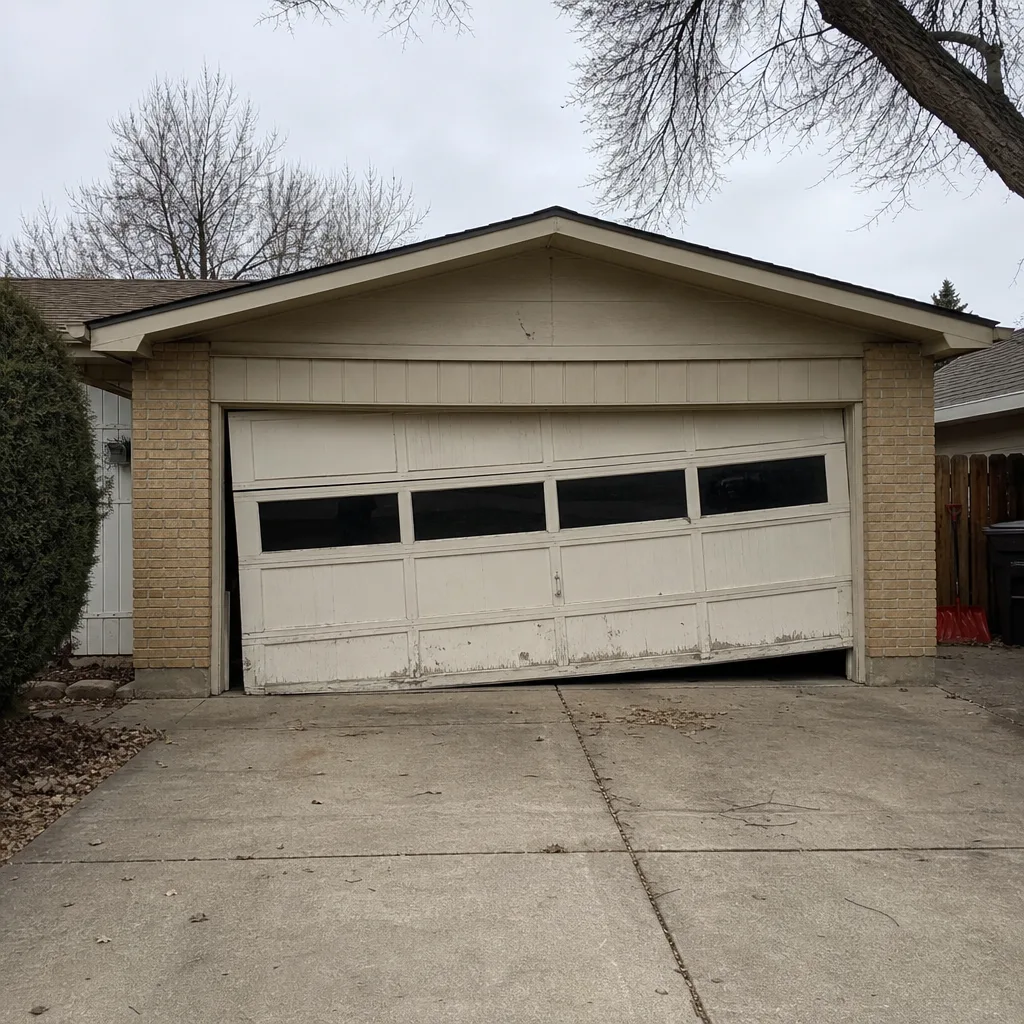
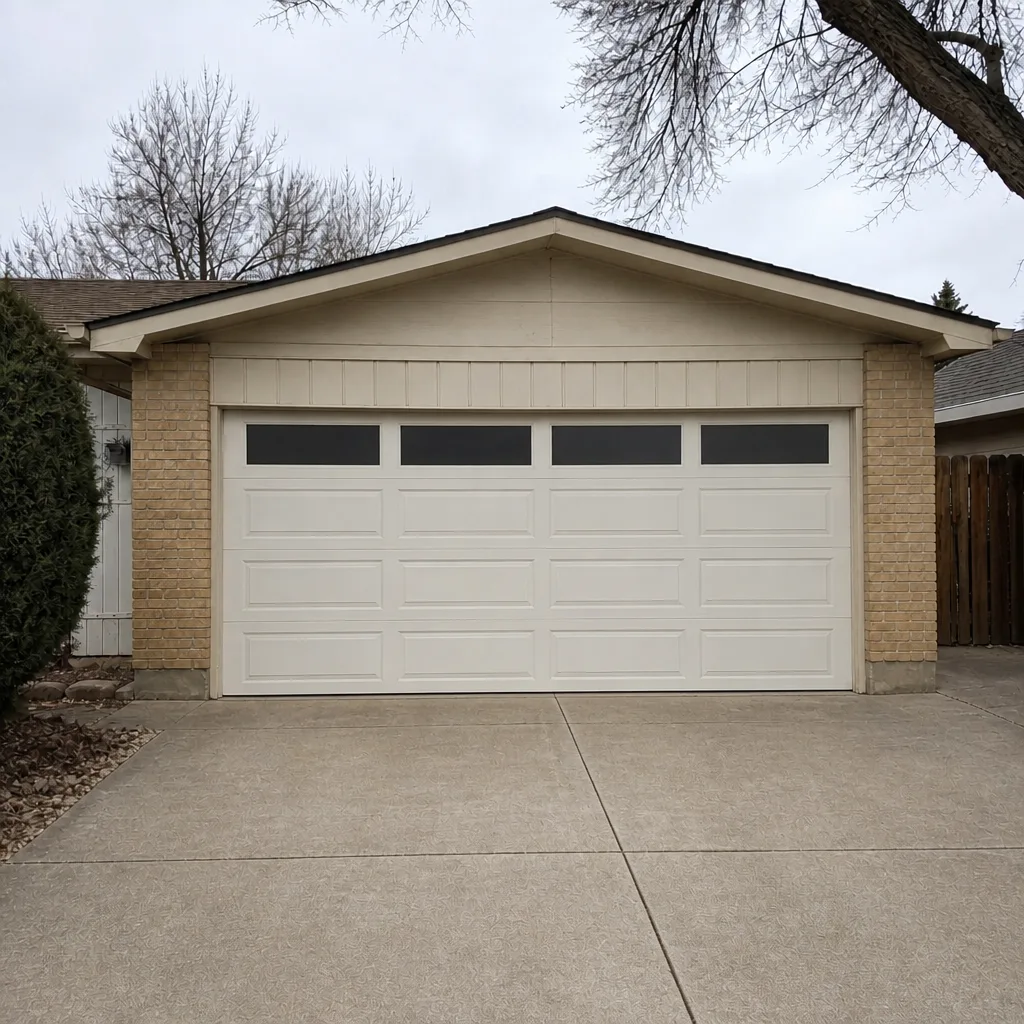
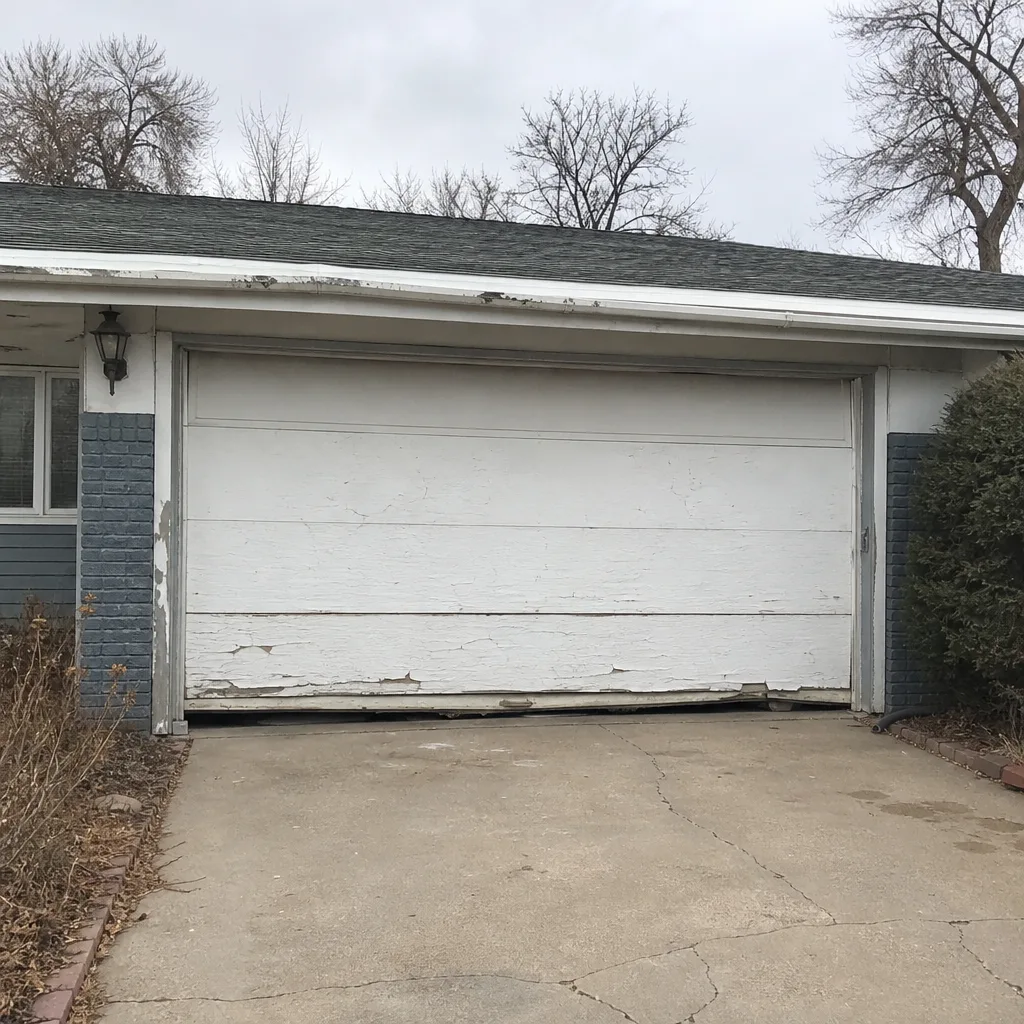
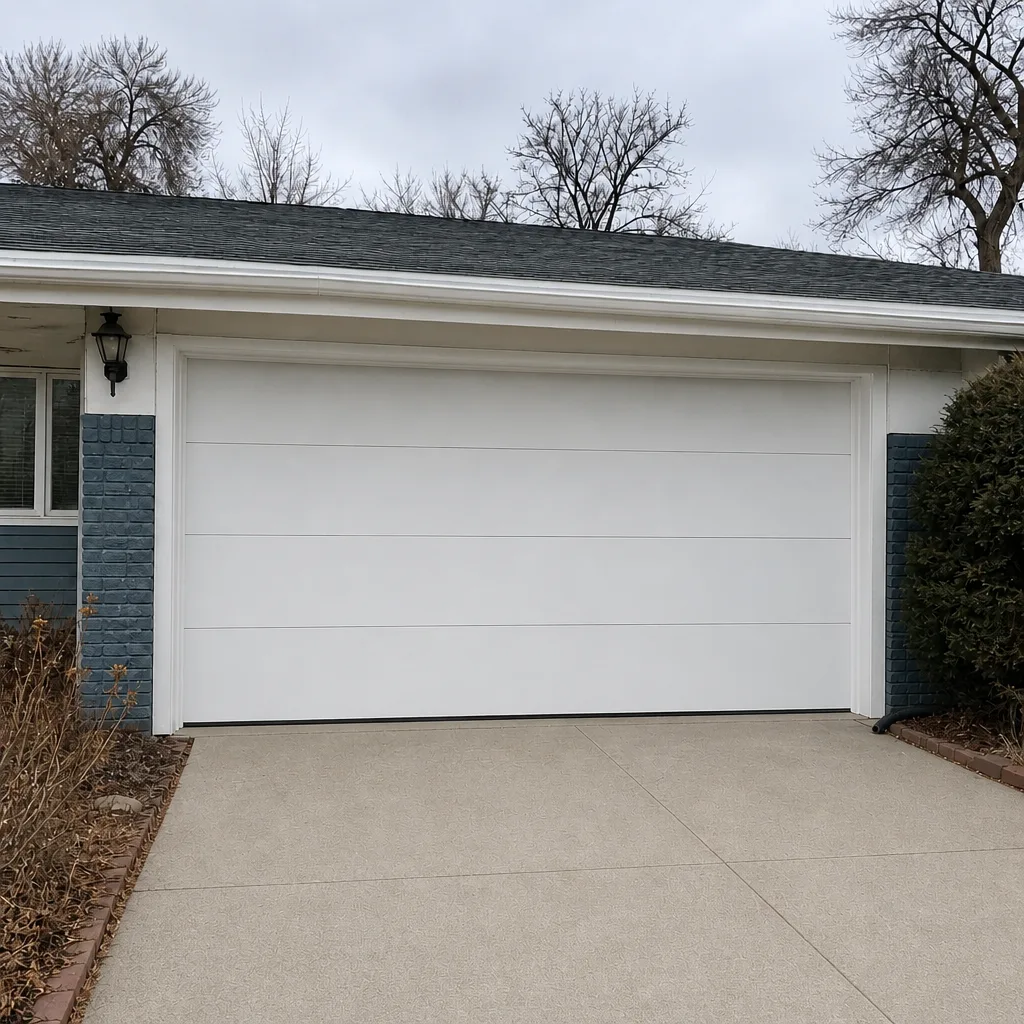
See the difference
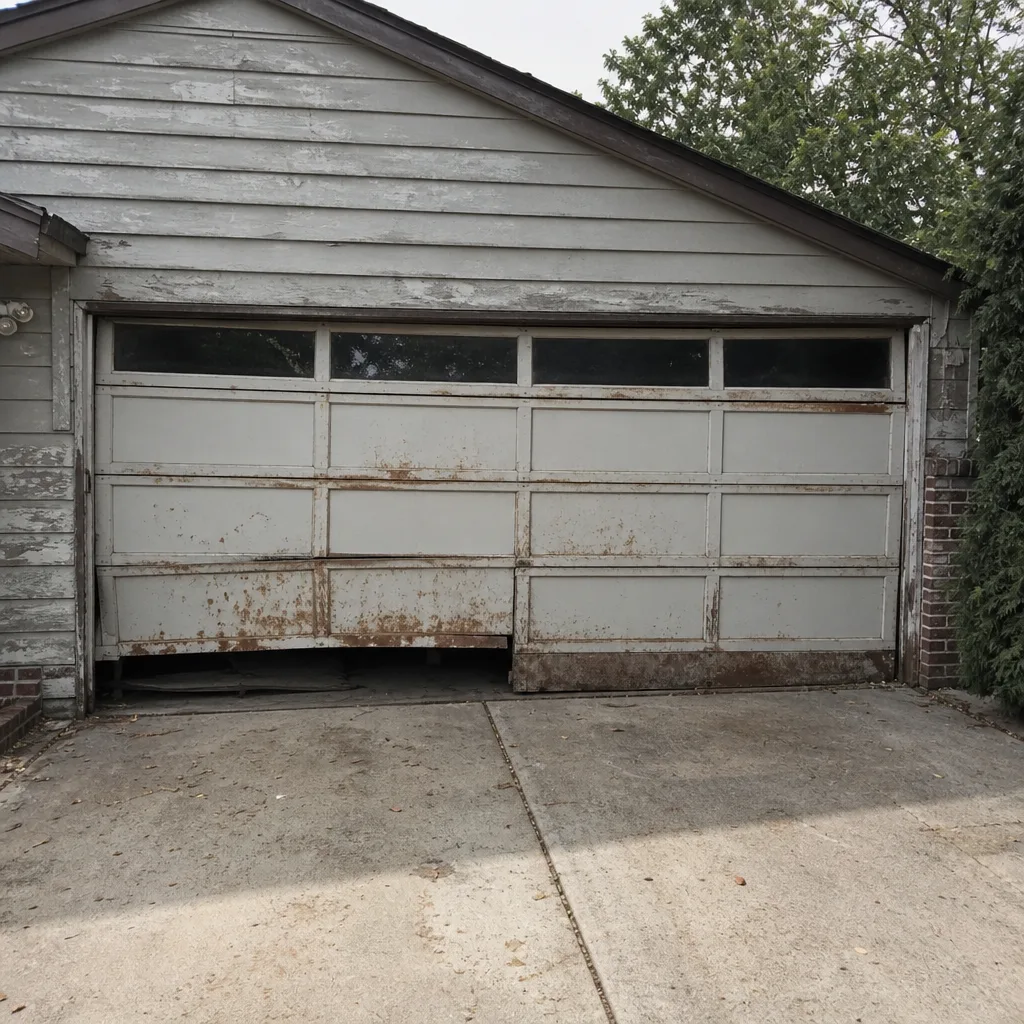 Before
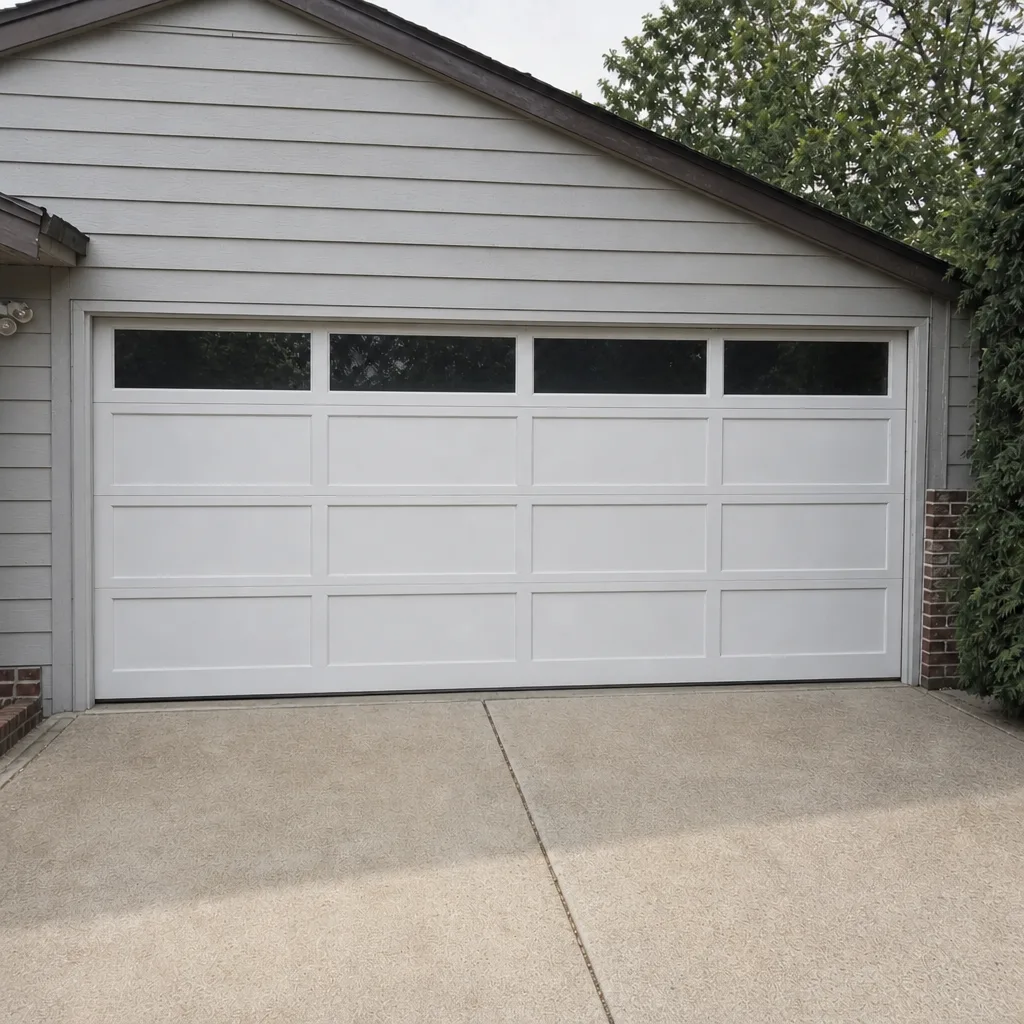 After
 Before
 After
 Before
 After
Frequently Asked Questions
Once a year for a professional service visit, plus a monthly visual check and balance test you do yourself and a quarterly lubrication pass. That annual visit is where spring tension, cables, and the opener get measured rather than just glanced at. In Hampden, the annual visit is worth scheduling in fall so it lands before the freeze-thaw season. Call (855) 490-5104 for a free estimate.
Listen for changes in sound, watch the door travel, run the balance test, look at the springs, cables, and rollers, test both safety features, and check the weather seal and hardware for looseness. It takes about ten minutes. The goal is to build a baseline so any change stands out. Call (855) 490-5104 for a free estimate if something looks off.
Torsion and extension springs are rated around 10,000 cycles, which is typically 7 to 9 years at normal residential use. A high-cycle spring option roughly doubles that rating. In Hampden, our dry, sunny climate doesn’t shorten a spring’s cycle rating, but it does prompt an annual tension check so a replacement can be planned rather than done in a rush. Call (855) 490-5104 for a free estimate.
The balance test tells you whether the springs are carrying the door’s weight. If they aren’t, the opener motor picks up the load every cycle and wears out faster. A monthly test takes a minute and is the cheapest way to protect an opener. Call (855) 490-5104 for a free estimate if your door won’t hold halfway.
Lubrication is safe and worth doing every three months on the springs, hinges, roller stems, and bearing plates. Adjusting springs or cables is not safe, because those parts are under heavy tension and a slip can cause a serious injury. Leave those to a trained technician. Call (855) 490-5104 for a free estimate.
Wood doors here need a spring and fall check on the bottom rail and joints for moisture damage from freeze-thaw, plus a fresh finish coat every few years. Paint or stain is the protective layer, and once it fails, water gets into the wood. If the bottom rail has already swelled or split, that’s a call. Call (855) 490-5104 for a free estimate.
The Bottom Line
A garage door fails on a schedule, not at random. Springs wear out around a cycle count, rollers flat-spot, cables fray, and seals crack, each on its own clock. Build a maintenance calendar around those clocks: a ten-minute monthly check with a balance test, a quarterly lubrication and hardware pass, and an annual professional service that measures the parts you can’t safely judge. In Hampden, add a fall spring check, a bottom-seal inspection every three to five years, and a wood-door moisture check each season, because UV and freeze-thaw speed up the wear. Do that, and you’ll plan repairs instead of discovering them.
Written by the team at Hampden Garage Door Repair.
Need a check on your door before the next season? Call (855) 490-5104 for a free estimate. We answer 24/7. Fast dispatch from 7am to 7pm, Sunday through Friday. If you’d like more on how we work, visit garage door repair, garage door opener repair, or garage door installation to see what each service covers.