
Last updated November 22, 2026
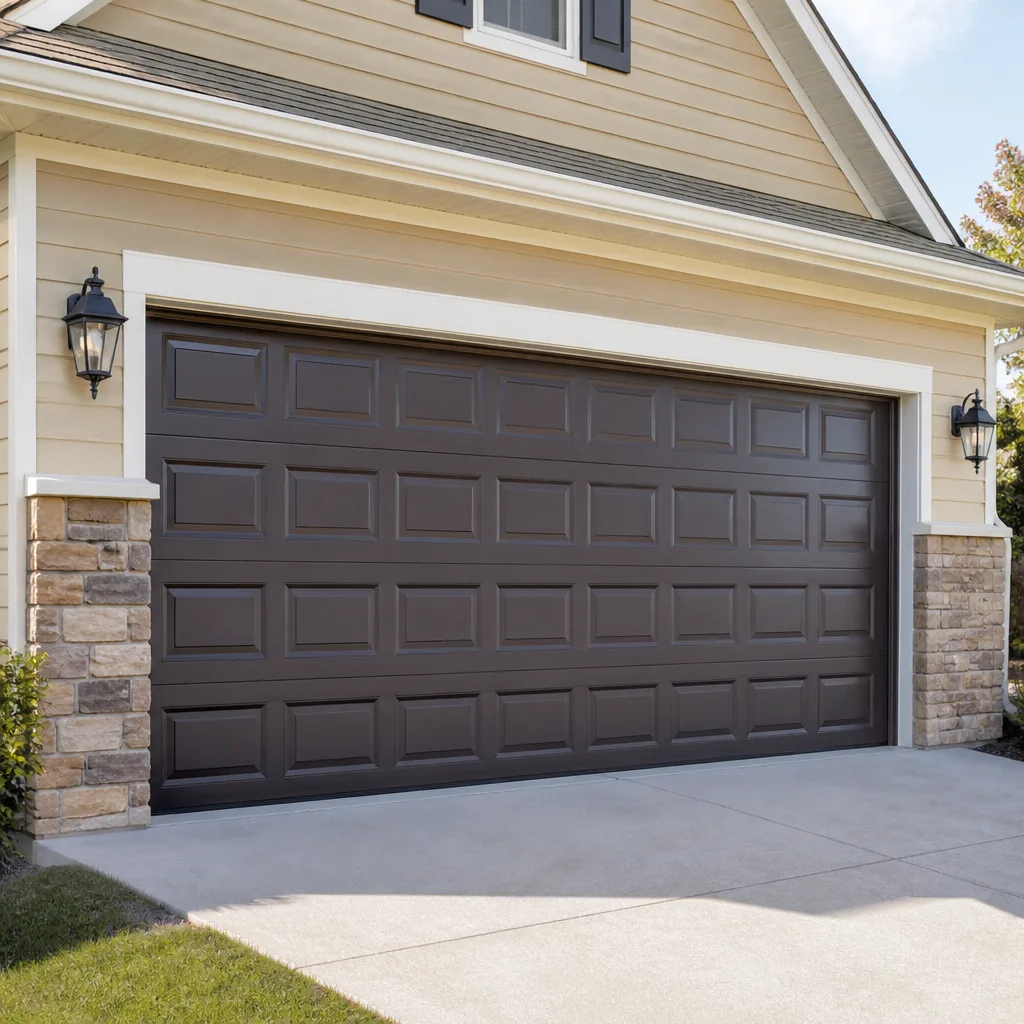 Raised-panel steel
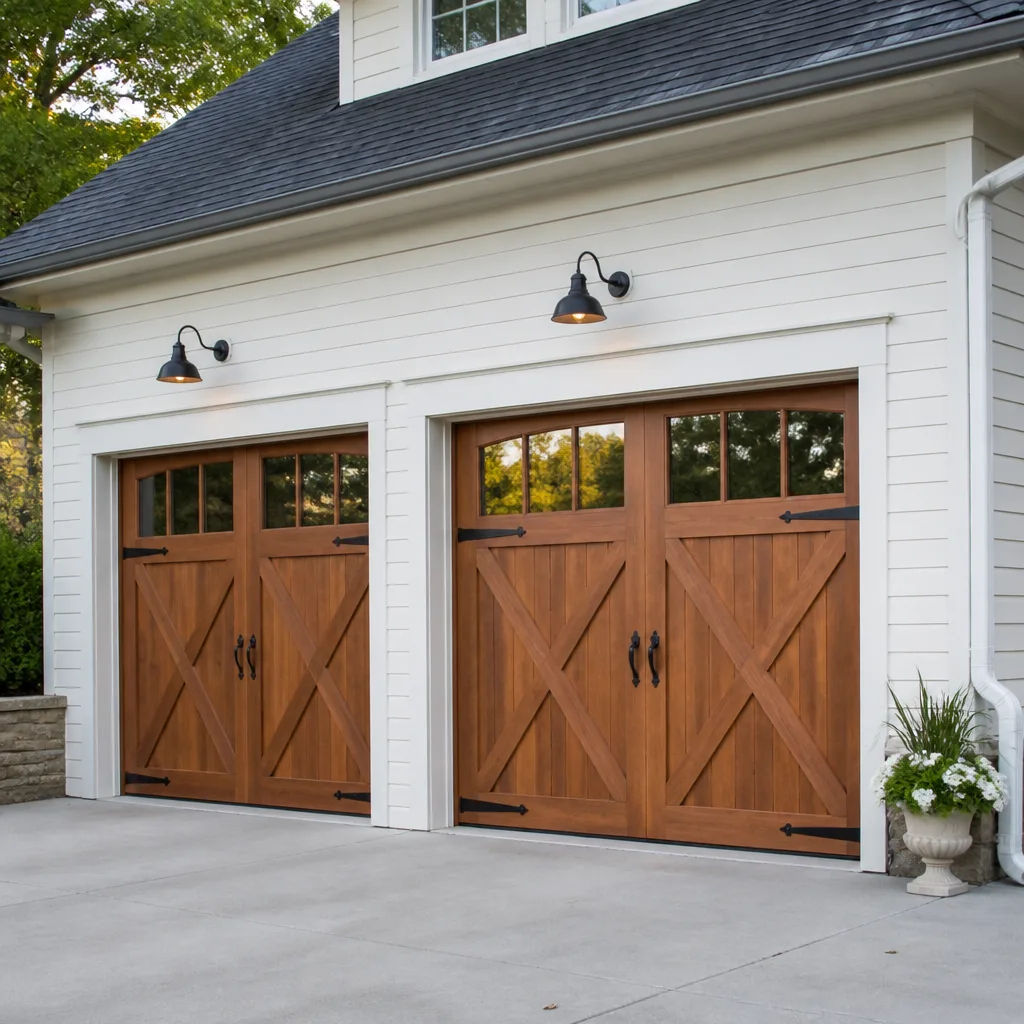 Carriage house
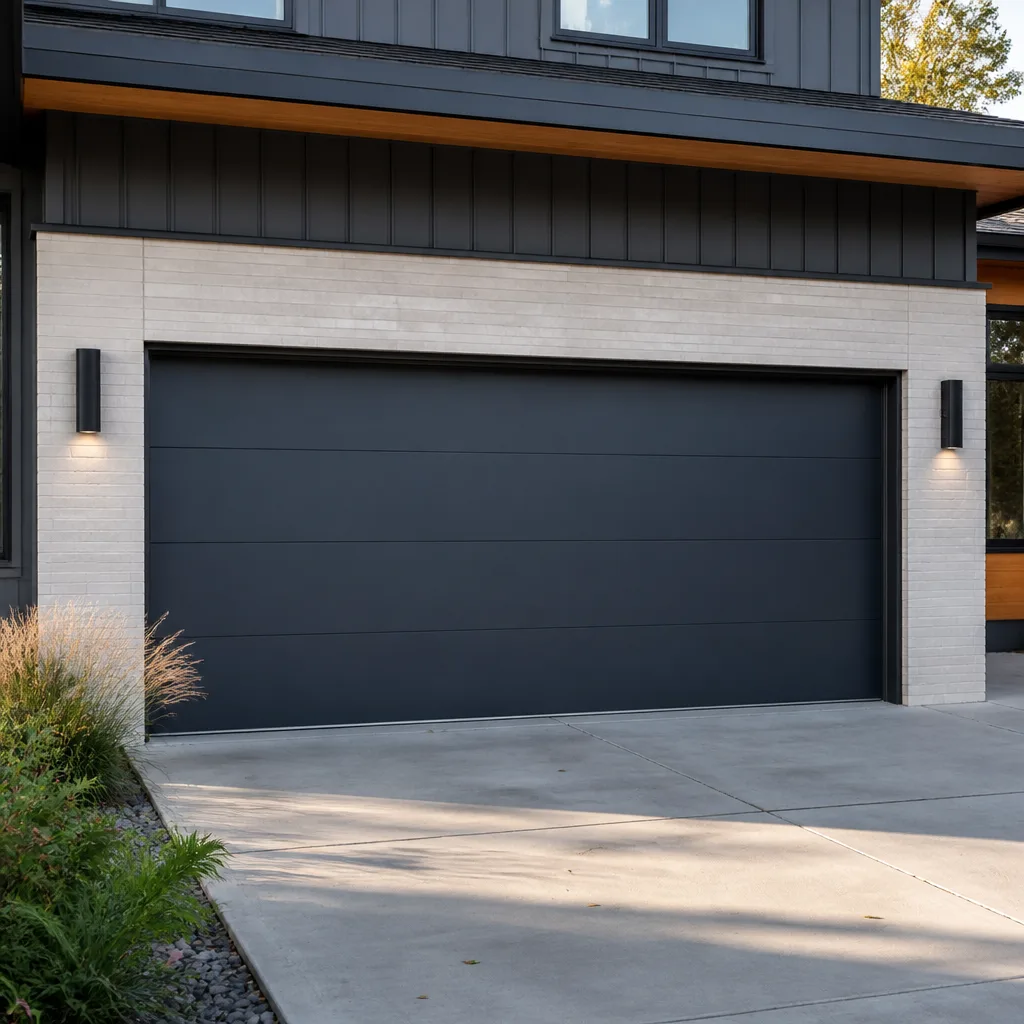 Modern flush
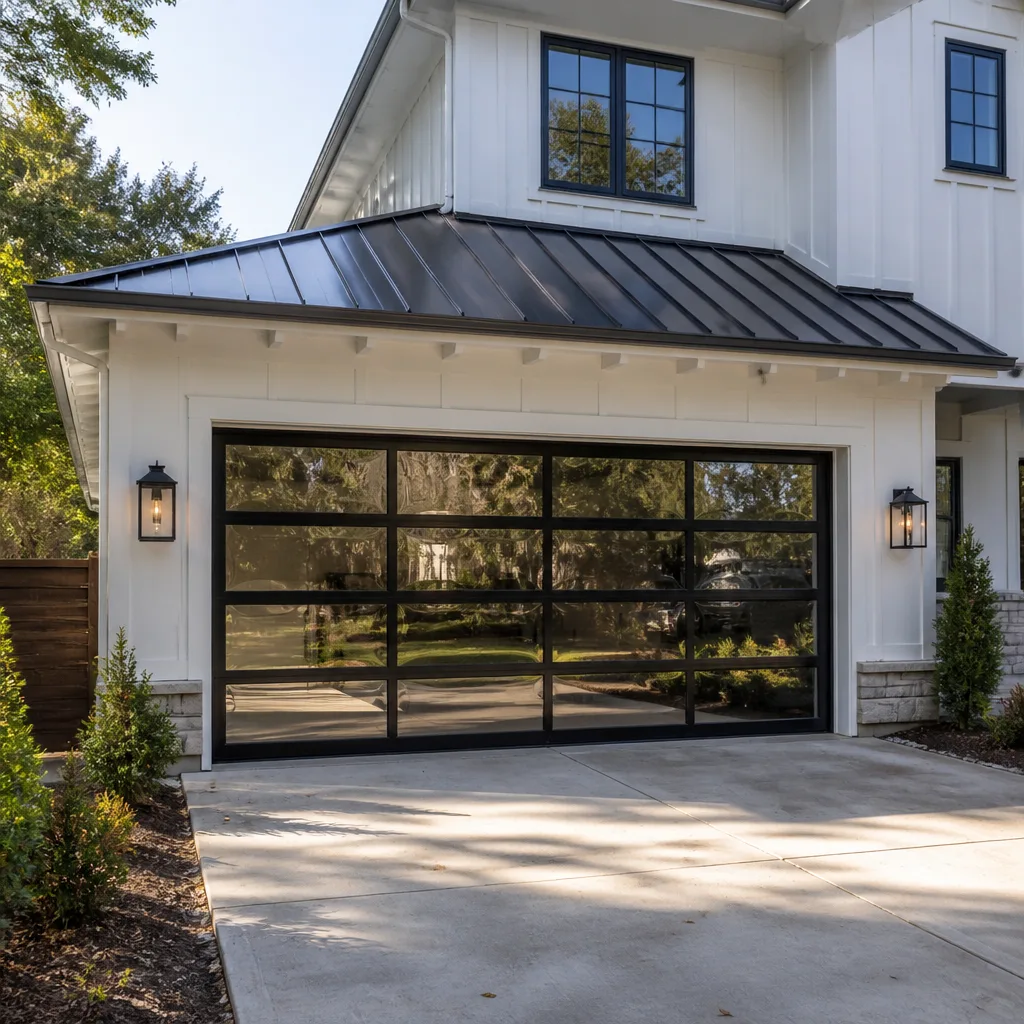 Full-view glass
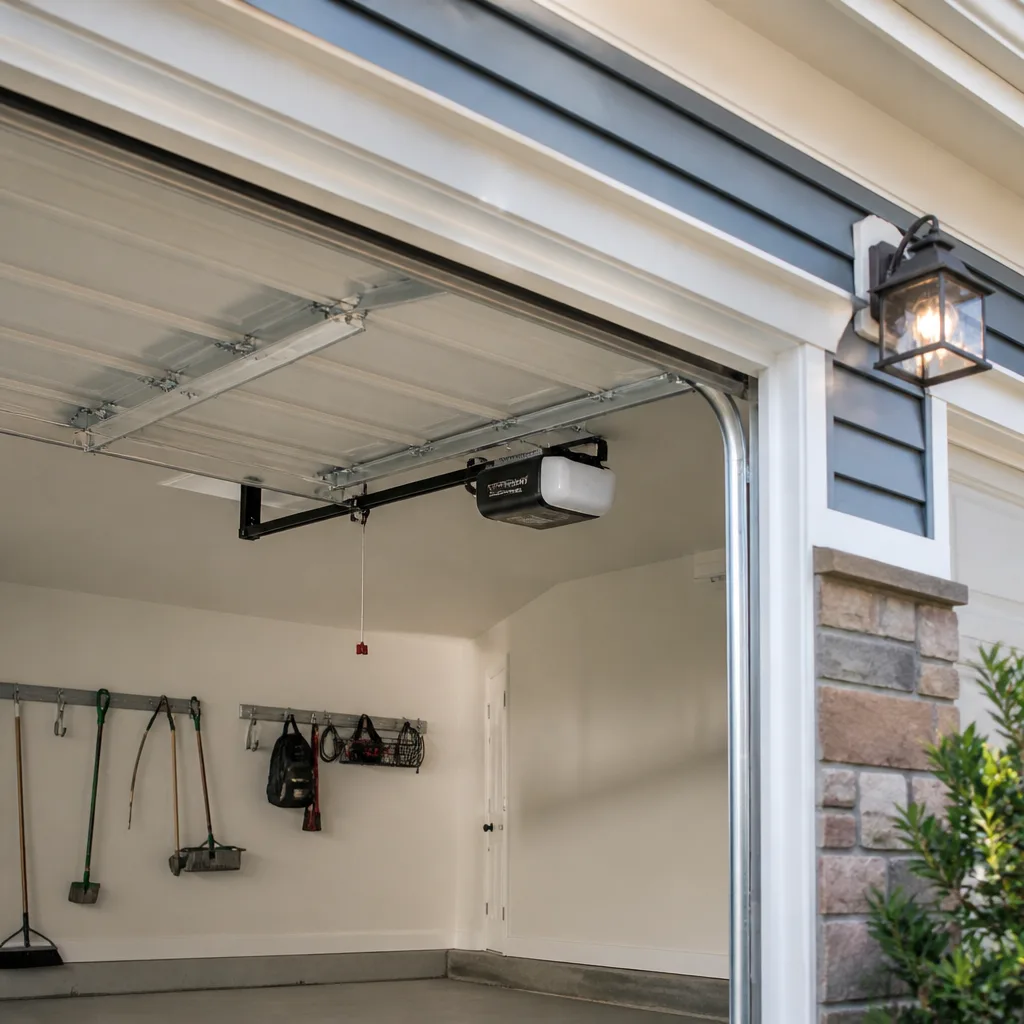 LiftMaster openers
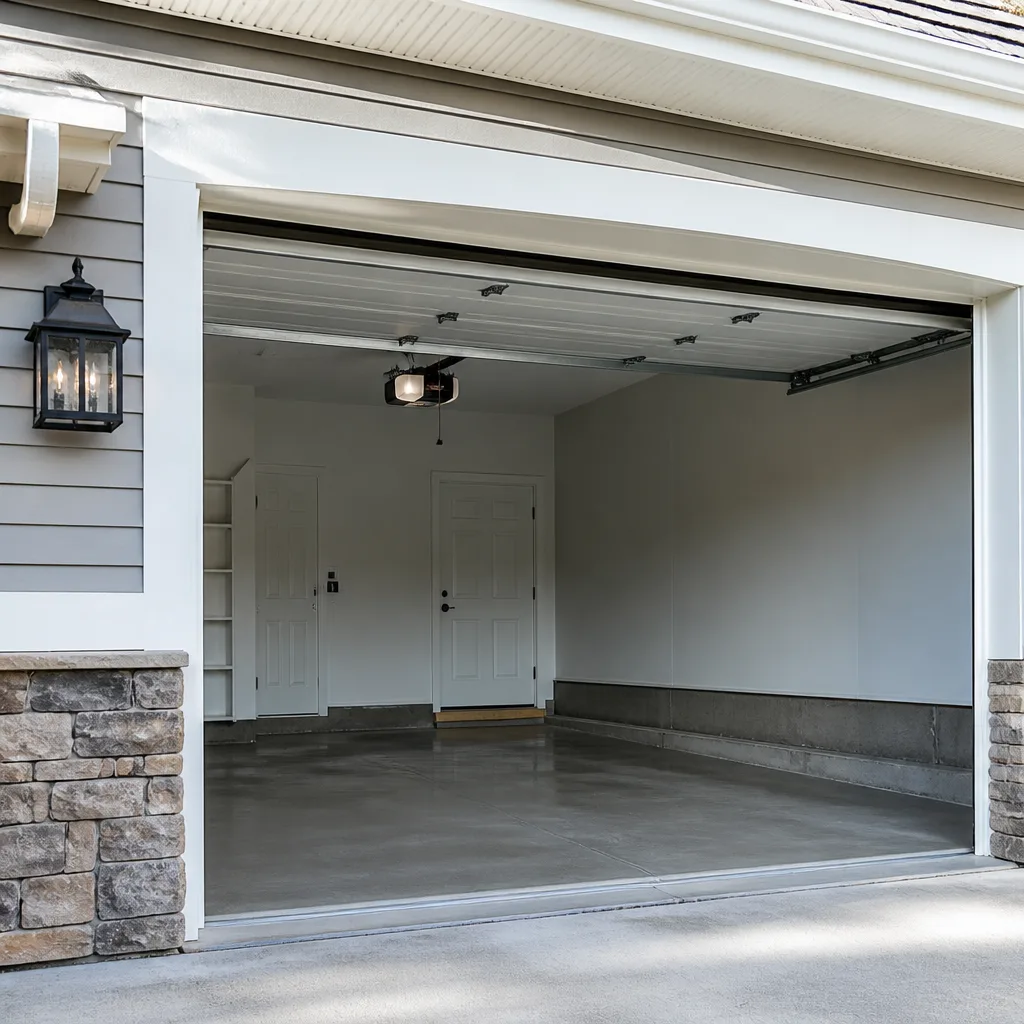 Chamberlain openers
Full 25-point door and opener safety check with every visit - springs, cables, rollers, tracks, and your LiftMaster or Chamberlain opener included
You get a price before we start. It does not change when the pro arrives.
Get your free estimateGarage Door Repair Maintenance Checklist for Hampden Homeowners
The number one cause of an emergency garage door call isn’t a random failure. It’s a small problem that passed three maintenance checks because nobody knew what to look for. The checklists most Hampden homeowners pull off the internet are recycled from manufacturer manuals, and they skip the failure points that actually send doors off their tracks in this climate. Thermal cycling, altitude-driven UV exposure, expansive soils – none of that shows up on a generic PDF. What follows is the checklist we build around what genuinely breaks, in the order it breaks, so you can catch a problem while it’s still cheap and small.
Quick Answer
A good garage door maintenance checklist for Hampden covers five core zones: springs and cables, the opener’s force and travel settings, the door’s balance and hardware, the weatherstripping and seals, and the track and mounting. Check them in that order once a season, and focus hardest on the transition between summer and winter, when Colorado’s temperature swings do the most damage. Spring tension, opener force limits, and track alignment are the three items that cause the most expensive failures when they’re ignored.
Styles & brands we work with
- Raised-panel steel
- Carriage house
- Modern flush
- Full-view glass
- LiftMaster openers
- Chamberlain openers
Table of Contents
- Why Spring Tension Changes With the Seasons in Hampden
- Opener Force-Limit Calibration You Can Test Yourself
- Weatherstripping and UV Degradation at Altitude
- Track Alignment and Foundation Movement
- Balance, Hardware, and Roller Checks
- Your Prioritized Repair Queue: This Week, This Year, Watch It
- The Seasonal Maintenance Calendar for Hampden
- Common Mistakes to Avoid
Why Spring Tension Changes With the Seasons in Hampden
Here’s the counterintuitive part: a torsion spring that tests perfectly fine in July can behave very differently in January. Steel springs are calibrated to a specific tension, and that tension shifts as temperature moves. In Colorado’s thermal cycling – warm days, hard freezes, warm days again – a spring goes through thousands of small expansion and contraction cycles over a year. A spring that’s already lost some of its original tension can still feel balanced in summer heat and then struggle to lift the door on a cold morning. That’s why a door that “worked fine yesterday” suddenly feels heavy or won’t open all the way. The spring isn’t necessarily broken – it’s tired, and the cold exposed it.
What you can safely check: whether the door lifts smoothly by hand when disconnected from the opener, whether it stays put when you let go halfway up, and whether you hear any unusual creaking or popping. What you should never do is adjust, wind, or unwind a torsion spring yourself. A wound torsion spring stores an enormous amount of energy, and a single wrong move with the wrong tool can cause serious injury. This is the one task on this entire checklist we’d tell you to leave alone, every time. If your spring looks stretched, has a visible gap, or the door feels heavier than it used to, that’s a professional’s job.
We treat garage door repair as its own discipline for exactly this reason – spring work is high-risk, high-skill, and too often outsourced by generalists who’d rather not touch it. In Hampden, the seasonal spring check is the single most valuable item on the list. Do the safe visual and feel test, then call for anything that involves the spring itself.
Opener Force-Limit Calibration You Can Test Yourself
Your opener has a safety system that measures how much resistance it meets as the door travels. When the door hits something, the opener should reverse. That force limit drifts over time – sometimes because the door’s weight changed, sometimes because the tracks moved, sometimes because the opener’s sensors developed friction of their own. When the limit drifts high, the opener keeps pushing through resistance instead of reversing. That’s a genuine safety problem, and most homeowners never test it.
Here’s a simple test that needs no special tools:
- Open the door fully, then close it and watch for smooth travel without jerking or hesitating.
- Place a solid object like a 2×4 laid flat under the door’s path, then run the door closed.
- The door should reverse as soon as it contacts the object. If it presses down on it before backing off, your force limit is set too high.
- Do the same test in the open direction with your hand providing light resistance – the door should stop and reverse.
- Check that the safety sensors at the bottom of the tracks have a clear line of sight and that their indicator lights are on.
If the door fails any of these, don’t keep running it. We work on the brand you already have – Craftsman, LiftMaster, Chamberlain, Raynor, and the rest – so a quick adjustment or sensor replacement usually resolves it. When the opener itself is failing, garage door opener repair handles the electrical side, which is not a DIY task.
Weatherstripping and UV Degradation at Altitude
The rubber seal at the bottom of your door and the weatherstripping around the frame take a beating in Hampden, and it’s not just the cold. At high altitude, the thinner air lets more ultraviolet light through, and UV breaks down rubber and vinyl faster than it would at sea level. A bottom seal that looks fine can be cracked on the underside, where the sun hits it head-on every afternoon. When the seal fails, you get drafts, water intrusion, and eventually a gap that invites pests and lets conditioned air escape.
- Bottom seal: Run your hand along the underside. Any cracking, hardening, or flattening means it’s time to replace it.
- Side and top seals: Check for gaps against the frame, especially where the door meets the jamb. A dollar bill should drag when closed in the gap, not slide freely.
- Threshold: Look for daylight under the closed door. Daylight means air is getting in.
- Windows and panel seals (if you have them): UV hazing and cracked glazing compound show up here first.
Weatherstripping is one of the cheapest fixes on this checklist and one of the most overlooked. A worn bottom seal also makes the opener work harder, which accelerates wear on the whole system. If you’ve replaced the seal a couple of times and it keeps failing early, ask whether you’re using a UV-rated material. It matters more here than the packaging suggests.
Track Alignment and Foundation Movement
Hampden sits on expansive soils – clay-heavy ground that swells when wet and shrinks when dry. That movement is slow and mostly invisible, but it transfers into your garage slab and frame over time. What that means for your door: tracks that were perfectly aligned when installed can shift out of true by a fraction of an inch, and a fraction of an inch is enough to make a door bind, scrape, or wear out its rollers prematurely. Homeowners often blame the opener when the real problem is a track that’s out of alignment.
How to check, without adjusting anything:
- Open the door and look straight down each track from the floor up. Both tracks should look parallel and vertical.
- Look for gaps between the track and the door’s rollers – a consistent gap on one side and a tight fit on the other means misalignment.
- Listen during travel. Grinding, scraping, or a rhythmic thump usually points to a track problem or a bad roller.
- Check the mounting brackets where the track attaches to the ceiling and walls. Loose bolts are common and easy to spot.
Don’t loosen the track bolts to “straighten” it yourself. The track, spring, and cable system are all connected, and moving one shifts load onto the other. A professional realignment is quick and inexpensive compared to the damage a bound door does over months.
Balance, Hardware, and Roller Checks
A balanced door is a door that’s easy on its opener, its springs, and its hardware. To test balance, disconnect the opener (there’s a release cord – pull it with the door fully closed), then lift the door to waist height by hand and let go. A balanced door should stay roughly where you left it. If it drops fast, the springs are under-tensioned. If it springs up on its own, they’re over-tensioned. Either way, the springs need professional attention.
While the opener is disconnected, walk the hardware:
- Rollers: Nylon rollers should be round and quiet. Steel rollers should spin freely. Flat spots, cracks, or rough movement mean replacement.
- Hinges: Look for wear at the pivot points and any looseness. Hinges wear out faster than most people expect.
- Cables: Check for fraying, kinks, or slack. Never touch a cable under tension – a snapped cable can whip with dangerous force.
- Bolts and fasteners: A quick once-over with a wrench on the hinge and bracket bolts is a legitimate DIY task. Loose bolts are a top cause of rattling doors.
This is where a brand-specific detail helps: on older Craftsman and Raynor systems, hardware wear shows up earlier because the original components were built to a lighter spec. If your door is more than a decade old, plan on inspecting hardware more often.
Your Prioritized Repair Queue: This Week, This Year, Watch It
The single biggest mistake homeowners make with a maintenance checklist is treating every finding as equally urgent. They either panic over a cosmetic issue or ignore something that’s about to become expensive. The fix is a simple priority queue. Here’s how we’d sort common findings:
Fix this week:
- Any opener that fails the reversal test
- A door that won’t stay up when disconnected
- A visibly broken, stretched, or gap-toothed spring
- A frayed or slack cable
- A track so far out of alignment that the door binds or scrapes
Fix this year:
- Worn rollers or hinges that make noise
- A bottom seal with cracks or flattening
- Loose bolts and a rattling door
- Opener gears that grind or hesitate
- Weatherstripping gaps that let in drafts
Watch it:
- Minor paint or finish wear on the door panels
- Slightly stiff travel in cold weather
- One roller that turns a little roughly
- Faint creaks that don’t come with binding or hesitation
If you sort your findings into these three buckets after each seasonal check, you’ll never again face the “do I need to call someone right now?” panic. The answer is already in the bucket.
The Seasonal Maintenance Calendar for Hampden
A checklist is only useful if you actually run it, and the calendar matters more here than most places. Hampden’s seasons put different stresses on the door, so a once-a-year inspection misses the two windows where things actually go wrong.
- Late fall (before the first freeze): The most important check of the year. Test spring feel, balance, and opener reversal while it’s still warm, then again after the first cold snap. Lube the moving parts (rollers, hinges, springs are handled by a professional) with a silicone-based lubricant, not grease. Check the bottom seal for the winter.
- Mid-winter: Quick check for ice buildup at the threshold, frozen seals, and any new grinding or hesitation in the opener. Cold is when force limits start failing.
- Spring (after freeze-thaw): This is when track alignment issues show up, because the soil has just finished its wettest and driest swings. Recheck balance and hardware.
- Summer: UV is at its peak, so this is the season to inspect weatherstripping and seals carefully. Also test the opener reversal system, because houses get closed up and doors get used more.
Two to four short checks per year catches nearly everything before it becomes a repair. In our experience, homeowners who do even the light version of this calendar go years between actual service calls.
Common Mistakes to Avoid
- Adjusting a torsion spring yourself. This is the mistake that causes the most serious injuries. A wound spring stores violent energy, and the wrong tool or a slip is enough. Call a specialist.
- Lubricating the tracks. Tracks should be clean and dry. Grease in the tracks attracts grit, which grinds down rollers. Lubricate hinges and rollers, not the track surface.
- Ignoring the reversal test. A door that won’t reverse when it hits an object is a safety hazard, full stop. Test it seasonally and fix it immediately if it fails.
- Overlooking the bottom seal at altitude. Hampden’s UV is hard on rubber, and a cracked seal lets water in and forces the opener to work harder. Replace it when it shows cracking, not after the first leak.
- Blaming the opener for a track problem. In Hampden’s expansive soils, the track moves and the opener gets blamed. Check the track and balance before assuming the opener is failing.
- Calling a generalist for a spring job. Spring repair is a specialty. A handyman or general contractor who avoids spring work will either hand you off or attempt something they shouldn’t. Use a garage door specialist.
- Treating every finding as urgent. Panic-buying a full replacement because of a worn roller or a noisy hinge is the opposite failure. Sort your findings into the priority queue and take care of what genuinely needs it.
See the difference
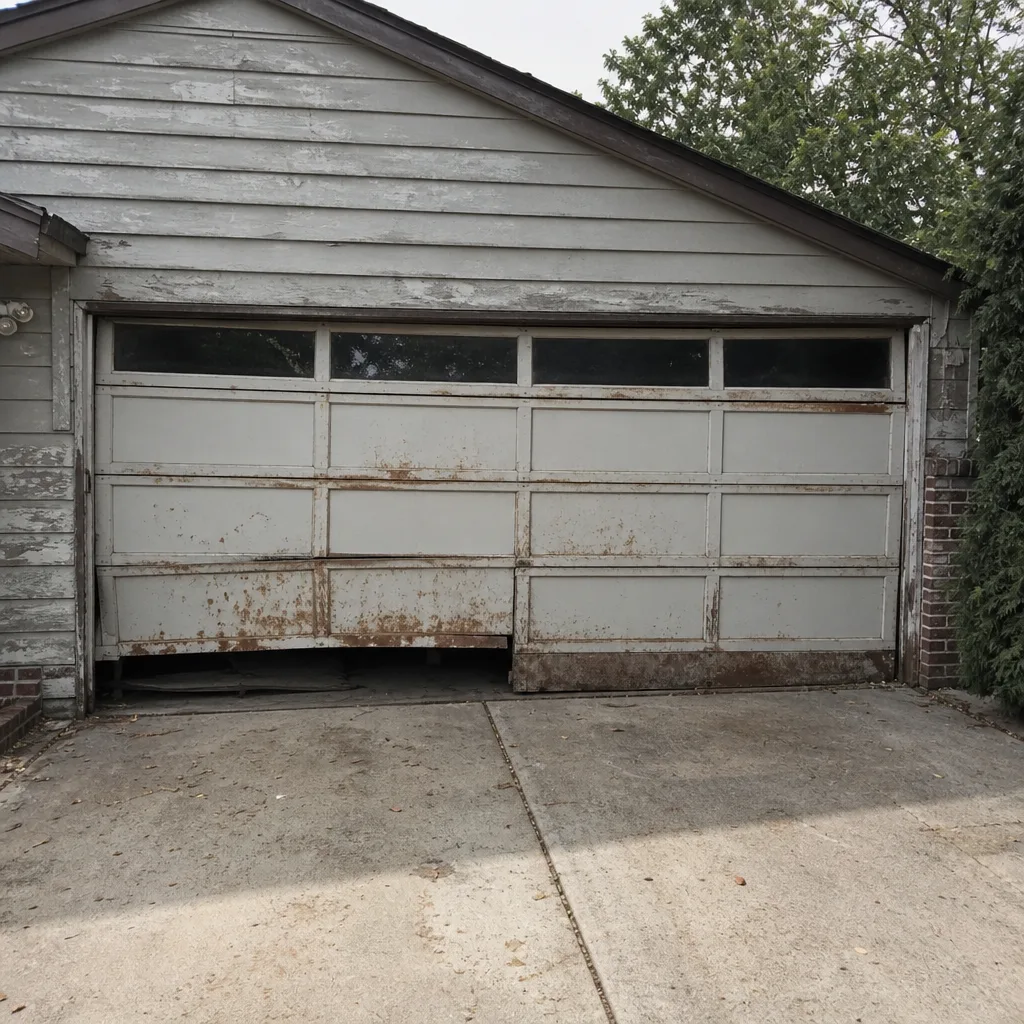 Before
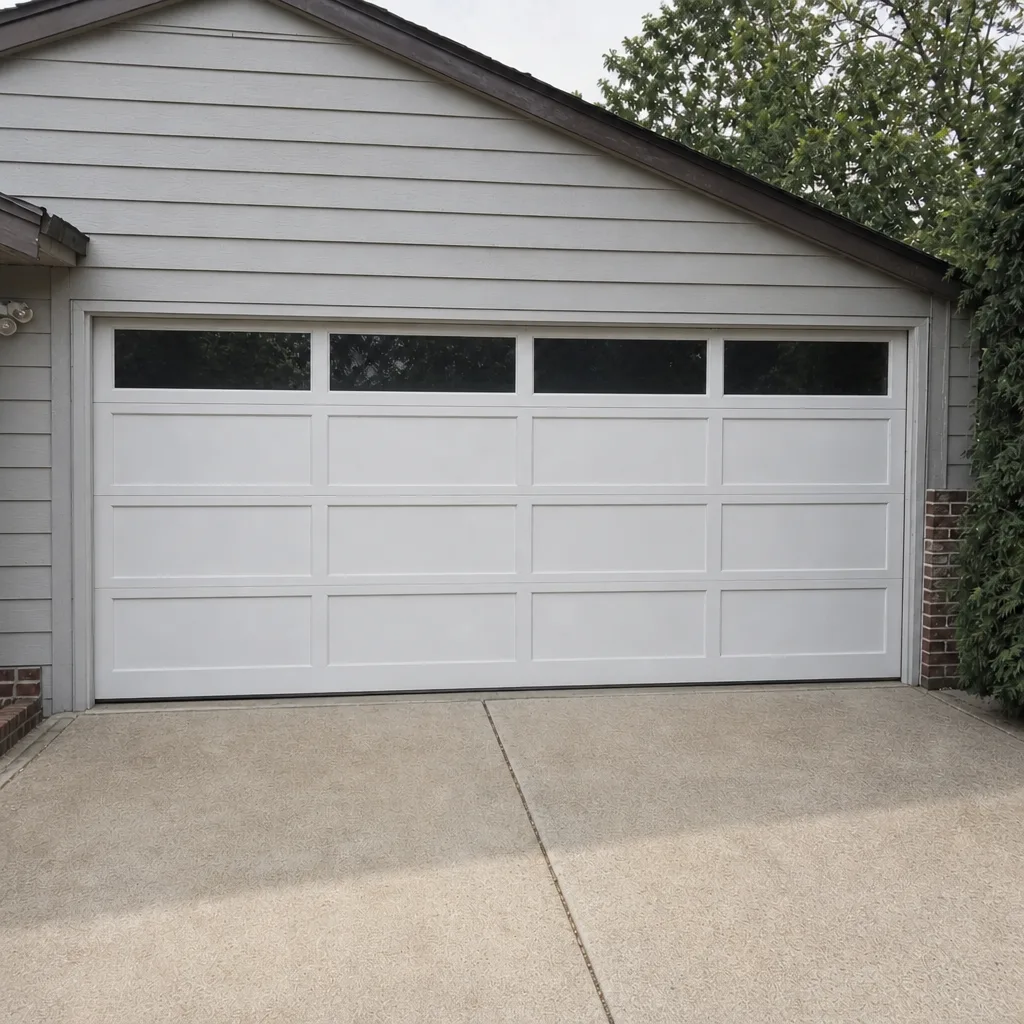 After
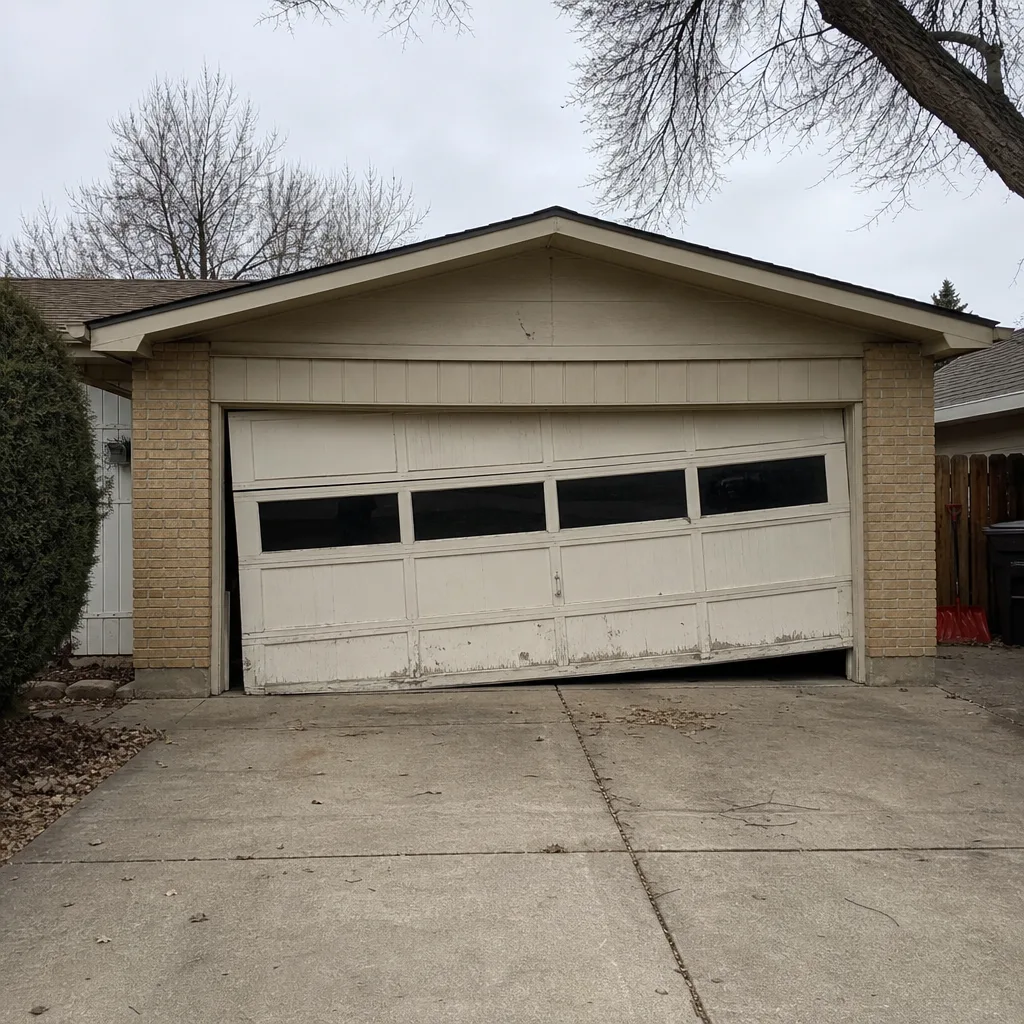 Before
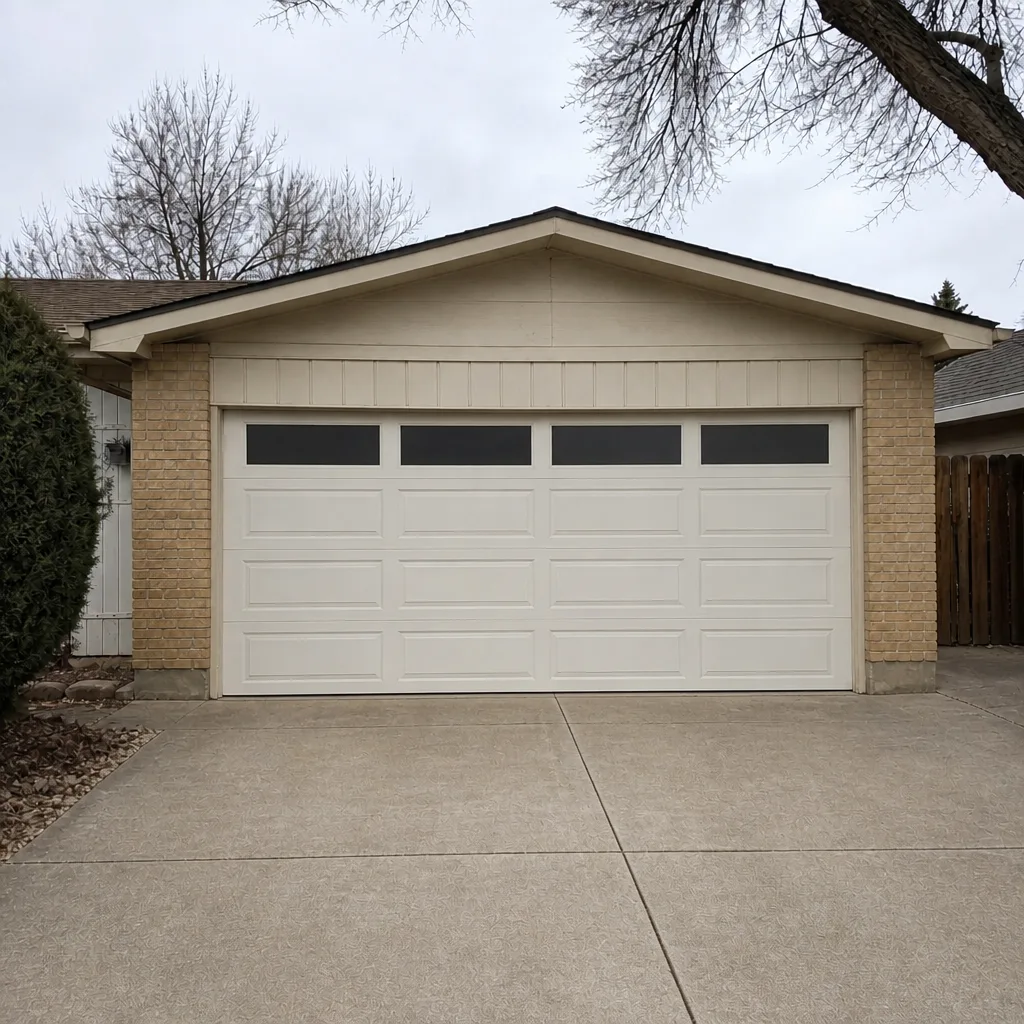 After
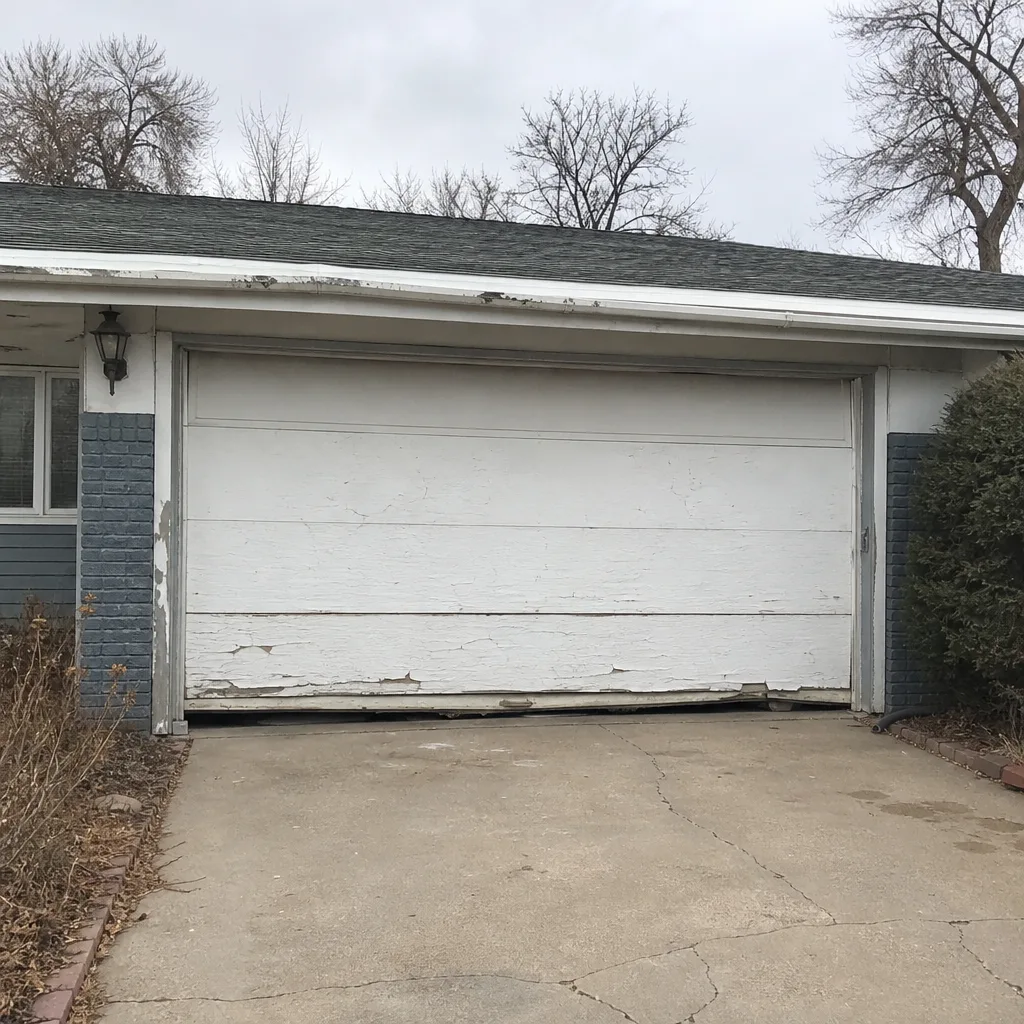 Before
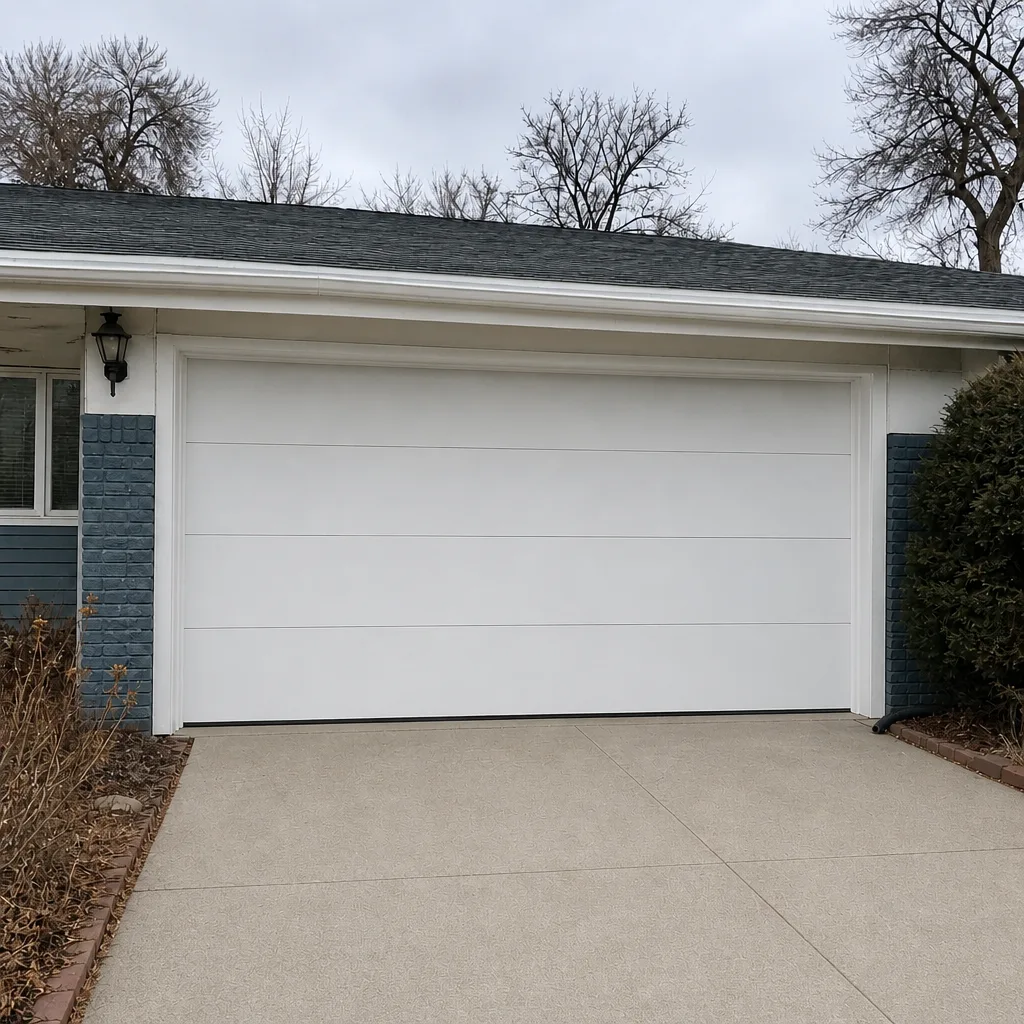 After
When to Call a Professional
Some findings are a wrench and a Saturday afternoon. Others are a call, every time. Call us when a spring looks stretched or broken, when the door won’t hold itself up when disconnected, when a cable is frayed or slack, when the door binds or scrapes no matter how the track looks, or when the opener fails the reversal test twice in a row. Also call if the door has developed a lurch or a sudden thump during travel, or if you’ve replaced a bottom seal and it’s cracking again within a year. Hampden Garage Door Repair offers free estimates in Hampden – call (855) 490-5104. We’ll tell you whether to repair or replace, honestly, and quote a price in writing before any work starts.
Frequently Asked Questions
Four times a year, ideally, with the most important check right before the first freeze and another right after it. Hampden’s temperature swings are hard on springs and opener force limits, so the fall and early-winter checks catch the failures that cause most emergency calls.
You can safely look and feel – check for visible gaps, stretched coils, or a door that feels heavier than it used to – but you should never adjust, wind, or unwind a torsion spring yourself. A wound spring stores enormous energy and a slip can cause serious injury. If anything looks or feels wrong, call a specialist. Call (855) 490-5104 for a free estimate.
Cold temperatures tighten the door and can expose a spring that’s already lost some of its original tension, so the door feels heavier and the opener works harder. That’s why the fall spring check matters most in Hampden. If the door feels dramatically heavier, don’t keep forcing it – have it checked.
It’s the safety setting that makes the door reverse when it meets resistance. When the limit drifts high, the opener pushes through resistance instead of reversing, which is a genuine hazard. Test it with a laid-flat 2×4 under the door’s path – the door should reverse on contact.
Most often it’s the track, especially in Hampden’s expansive soils where small ground movement shifts the frame and rails out of true. Check that the tracks look parallel and vertical, then check the door’s balance. A quick realignment usually fixes it.
We quote every job by written estimate, and the estimate is free. Prices depend on what the door actually needs – a weatherstripping replacement is a small job, while spring repair or opener work covers more. You’ll know the price and agree to it before any work starts. Call (855) 490-5104 for an exact figure.
The Bottom Line
The checklists that fail are the ones that skip the three failure points that matter most in Hampden: spring tension under thermal cycling, opener force-limit drift, and track alignment on moving soils. Run the safe visual and feel checks once a season, leave the springs to a specialist, and sort your findings into the fix-this-week, fix-this-year, and watch-it buckets. That’s the difference between a door that runs quietly for years and one that surprises you. When something falls in the wrong bucket, we’re one call away. Garage door installation is there too when a door reaches the end of its life and repair stops making sense.
Contact Us
If your seasonal check turned up something you’re not sure about, or a finding landed in the fix-this-week bucket, call (855) 490-5104 for a free estimate. Our technicians have up to 13 years of experience and work across the major brands, so we diagnose what you have instead of guessing. We answer 24/7. Fast dispatch from 7am to 7pm, Sunday through Friday. Whether you’re facing a spring issue, a stubborn opener, or a door that needs replacing, start with Hampden Garage Door Repair and we’ll tell you honestly which path makes sense.
Written by the team at Hampden Garage Door Repair.