
Last updated November 22, 2026
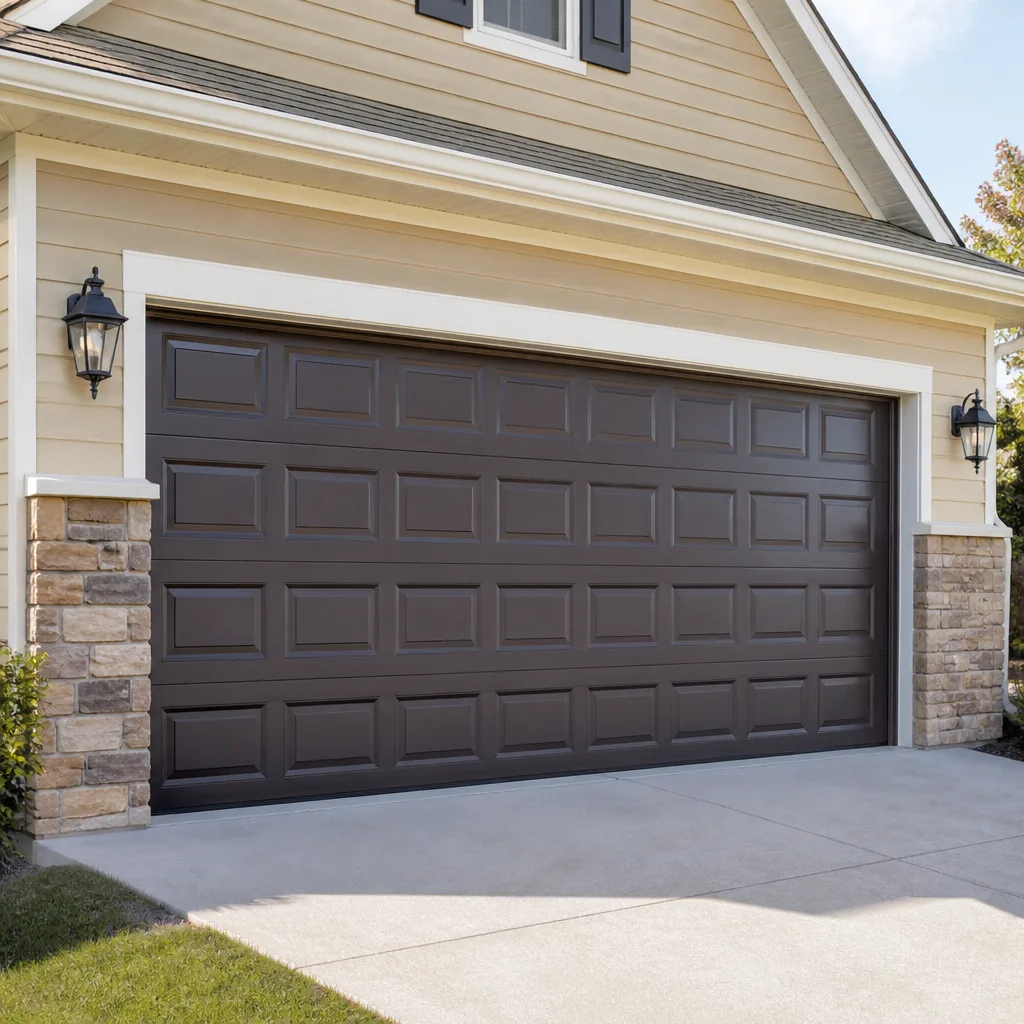 Raised-panel steel
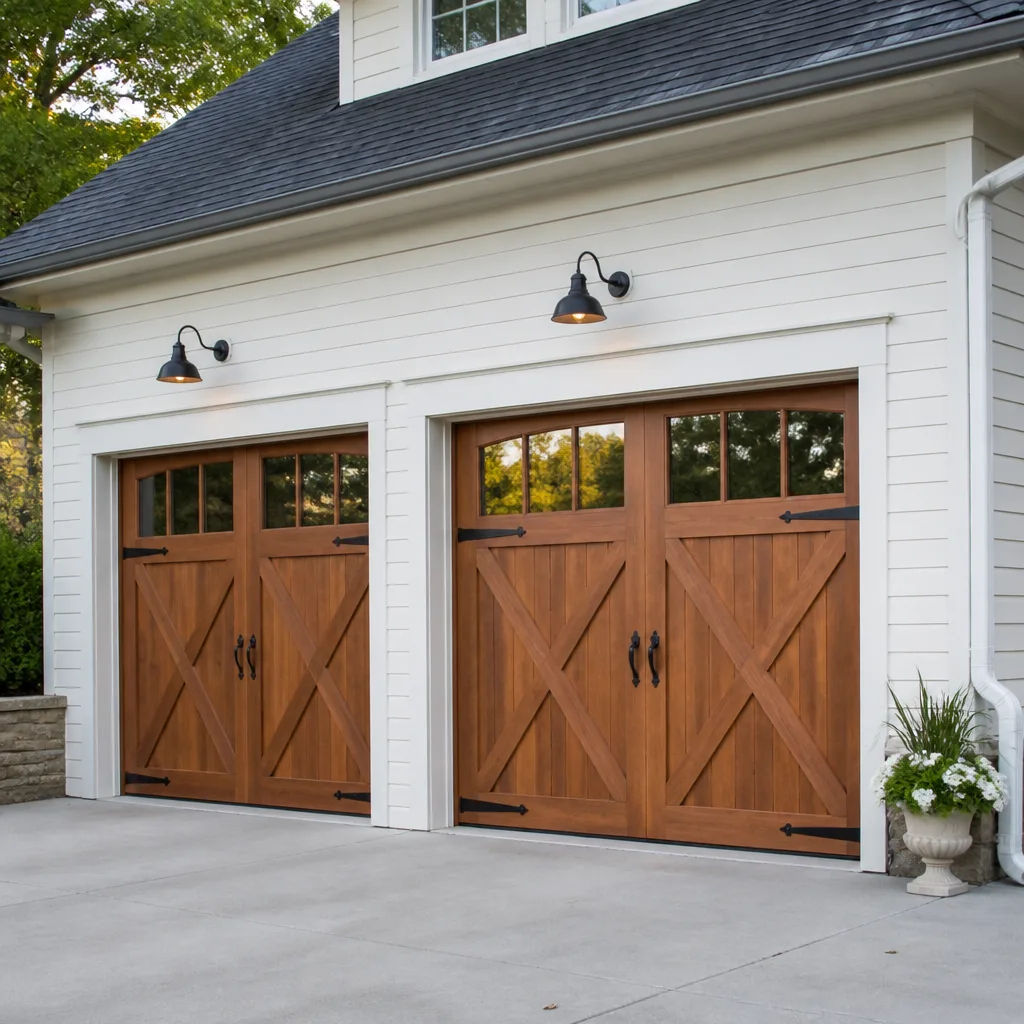 Carriage house
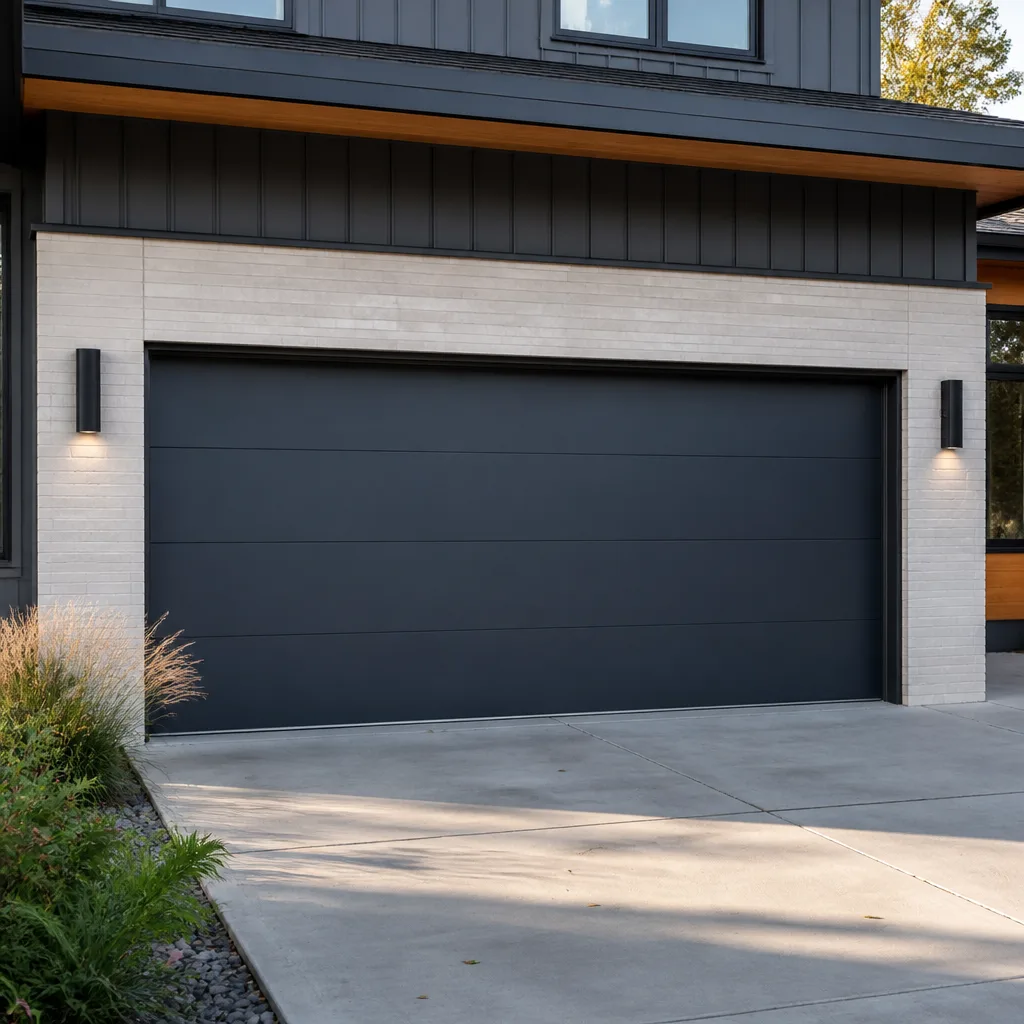 Modern flush
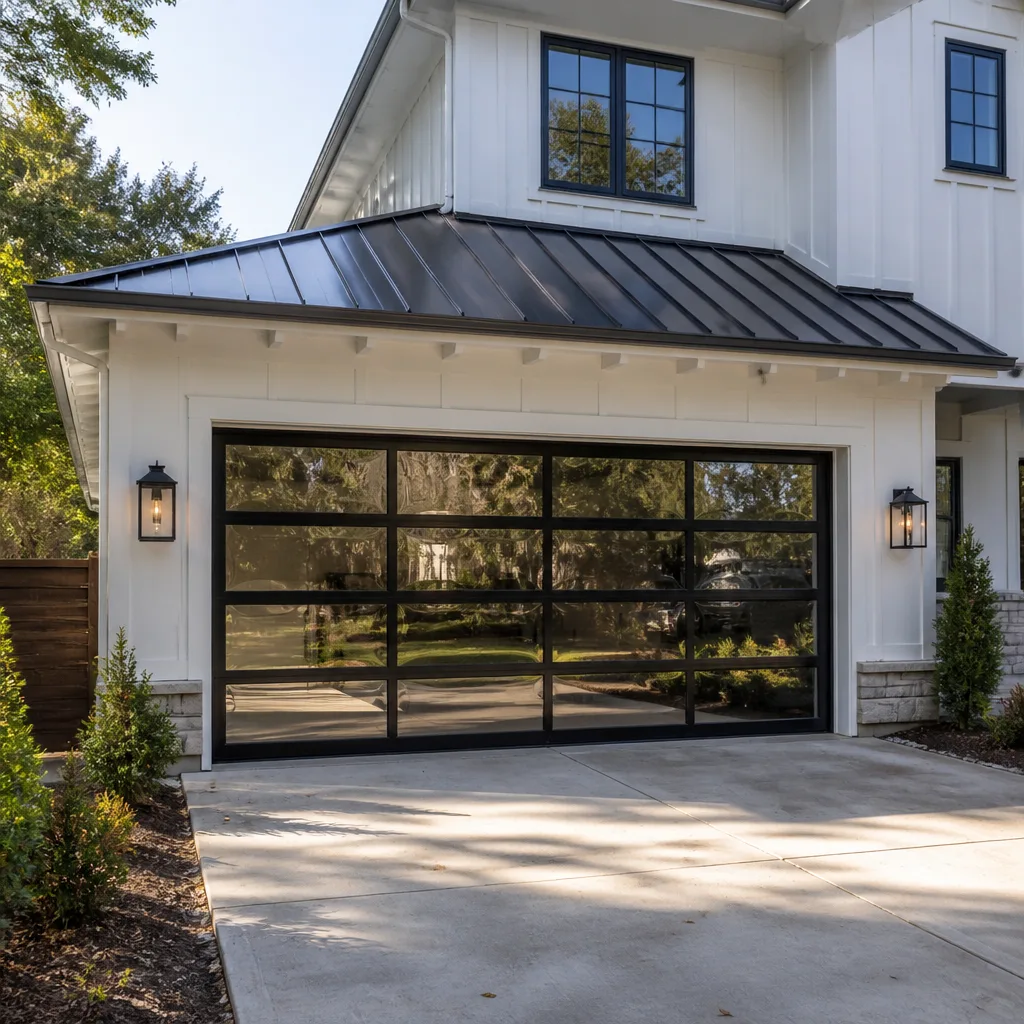 Full-view glass
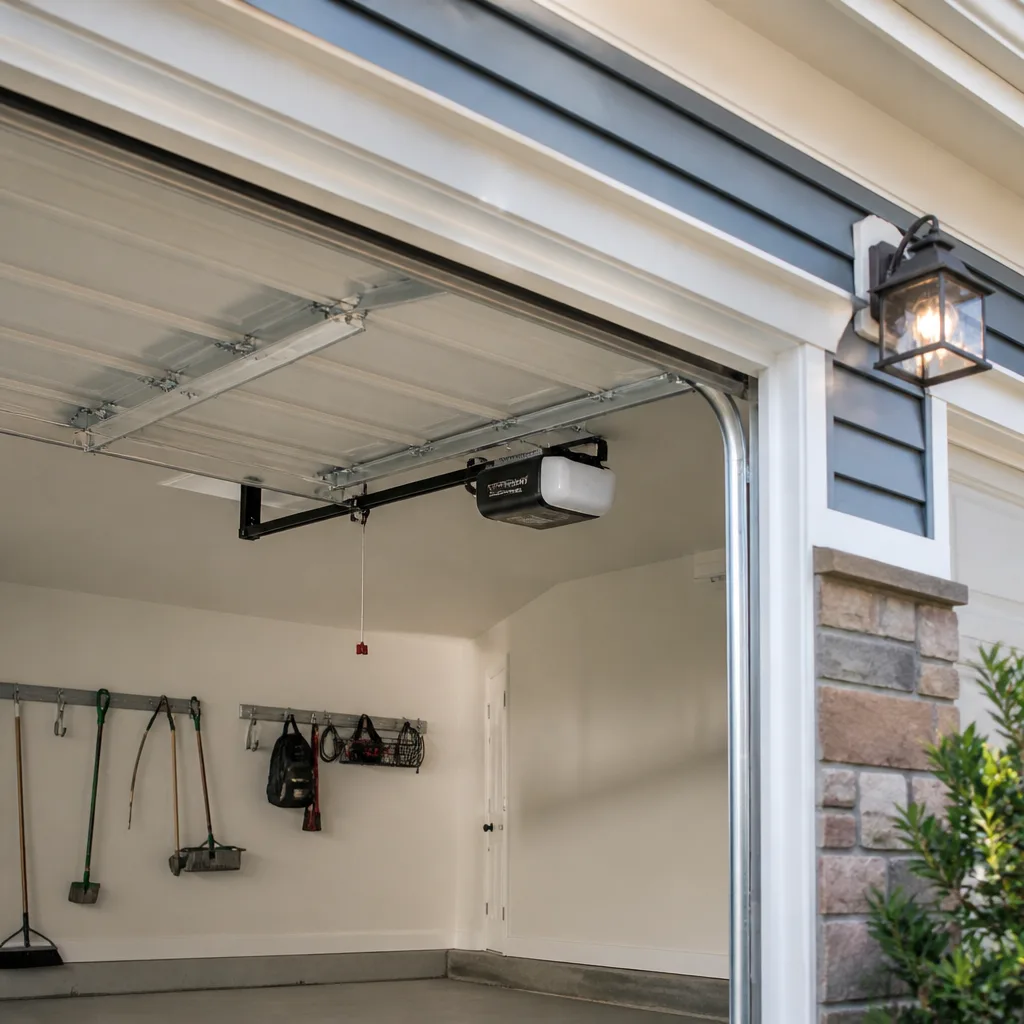 LiftMaster openers
 Chamberlain openers
Full 25-point door and opener safety check with every visit - springs, cables, rollers, tracks, and your LiftMaster or Chamberlain opener included
You get a price before we start. It does not change when the pro arrives.
Get your free estimateGarage Door Permits, Codes & Inspections in Hampden, CO: What You Need to Know
Most homeowners assume a garage door is a garage door. You take the old one out, put a new one in, and nobody from the city ever needs to hear about it. That assumption is right about half the time in Hampden. The other half, the wrong call gets flagged years later, usually at the worst possible moment: a home sale, a refinance, an insurance review. Whether your job needs a permit depends on what actually changes, where the electrical work falls, and which jurisdiction covers your address. This guide walks through the triggers that matter, the difference between a replacement and a new installation, what an inspection checks, and how unpermitted work surfaces during a sale.
Quick Answer
In Hampden, replacing a garage door like-for-like usually does not require a building permit, but installing a new door in a new opening, changing the header or framing, or running new hardwired electrical for an opener often does. Whether your address falls under Arapahoe County or City of Englewood rules determines which office you call, and the safest move is to ask your city or county building department before work begins. Spring and opener repairs on existing doors generally need no permit at all.
Styles & brands we work with
- Raised-panel steel
- Carriage house
- Modern flush
- Full-view glass
- LiftMaster openers
- Chamberlain openers
Table of Contents
- Which Jurisdiction Covers Your Hampden Address?
- What Triggers a Garage Door Permit in Hampden?
- New Installation vs. Like-for-Like Replacement
- Electrical Permits: Hardwired Openers vs. Plug-In Setups
- What a Garage Door Inspection Actually Checks
- How Unpermitted Work Shows Up During a Home Sale
- Common Mistakes to Avoid
- Frequently Asked Questions
Which Jurisdiction Covers Your Hampden Address?
Hampden isn’t a single building department. Addresses in and around Hampden sit inside a patchwork of jurisdictions, and the one that governs your garage door permit depends on exactly where your property line falls. The two most common for Hampden addresses are Arapahoe County and the City of Englewood. Some parcels near the edges fall under neighboring city rules instead. This matters because each office has its own application, its own inspection sequence, and its own idea of what counts as a structural change.
You don’t have to guess. The lookup is simple and free.
- Pull up your property record or your latest tax notice. The taxing jurisdiction is printed on it.
- Call the building department for that jurisdiction and describe the work in plain terms: “I’m replacing a door in the existing opening” or “I’m adding a door where there wasn’t one.”
- Ask specifically whether an electrical permit is needed if the opener circuit is changing.
- Write down the answer, the date, and who you spoke with. If a question ever comes up later, that note is worth keeping.
We’ve seen how much confusion this causes. Two houses on the same street can fall under different offices, and a homeowner who assumed “the county handles it” ends up filing with the wrong department and starting over. When in doubt, call the jurisdiction on your tax notice first. If you’re not sure which one applies, your city or county building department can confirm it in a single phone call.
One more piece of local context: Hampden sits at the edge of the plains where wind is a real design factor. Garage doors here face gusts that push on the door panel and the track hardware every season. That’s a maintenance reality, not a permit rule, but it’s part of why door and hardware condition comes up during inspections. A door that’s rattling loose in its tracks tends to draw attention.
What Triggers a Garage Door Permit in Hampden?
A permit is triggered when the work changes something structural, electrical, or new. Cosmetic swaps and repairs on existing equipment almost never need one. Here’s how the triggers sort out in practice.
Work that typically requires a permit
- Cutting a new opening in a wall that didn’t have a garage door before.
- Changing the header or framing above or beside the door opening.
- Enlarging or resizing an existing opening.
- Running new hardwired electrical for an opener, or adding a circuit where none existed.
- Structural repairs to the wall the door is set into.
Work that usually does not require a permit
- Like-for-like door replacement in the same opening, same size.
- Spring replacement on an existing door.
- Opener replacement where the new unit plugs into an existing outlet.
- Track, roller, hinge, and cable repairs.
- Panel replacement on a sectional door.
The line isn’t always obvious, and that’s the point. A homeowner swapping a worn Craftsman door for a new one in the same opening is doing a replacement. A homeowner who decides to widen the opening by a foot while the door is off is doing structural work, and that needs a permit and an inspection. The difference isn’t the door. It’s the opening.
In our experience, the jobs that catch people out are the ones where a small “while we’re in there” decision turns a replacement into a modification. If your plan involves touching the framing, the header, or the electrical, stop and check with your building department first. It costs nothing to ask and avoids a much harder conversation later.
New Installation vs. Like-for-Like Replacement: Where the Line Falls
This is the distinction that decides most Hampden permit questions. A like-for-like replacement means the new door goes into the same opening, at the same size, using the same mounting points, with no change to the structure or wiring. That’s a swap. A new installation means something about the opening, the structure, or the electrical is different. That’s construction, and construction gets reviewed.
The like-for-like test
Ask yourself four questions. If all four answers are yes, you’re almost certainly in replacement territory.
- Is the new door going into the same opening at the same width and height?
- Are the mounting points in the same places?
- Is the header and framing untouched?
- Is the opener using the same outlet and circuit, with no new wiring?
If any answer is no, treat it as a new installation until your building department tells you otherwise. That includes converting a manual door to an opener with new hardwired power, resizing the opening, or replacing a wall section.
Why the distinction matters on a Hampden home sale
When a buyer’s inspector looks at a garage, they’re checking whether the door and opener were installed to the standards in force when the work happened. If the work changed the opening or added new electrical without a permit, there’s no record of an inspection. That missing paper trail becomes a negotiating item, and sometimes a closing delay. Knowing which category your job falls into before you start is the whole game.
Full replacement is a measured, ordered, scheduled job, not a same-day repair. If you’re weighing a full replacement, our team handles garage door installation and can tell you straight whether your situation looks like a swap or a structural change, and what that means for permits. We’d rather help you ask the right question up front than sort out a mess later.
Electrical Permits: Hardwired Openers vs. Plug-In Setups
Electrical work is where the permit question gets sharpest. A garage door opener that plugs into an existing outlet is an appliance swap. An opener that needs a new dedicated circuit, new conduit, or new wiring run through the wall is electrical work, and most jurisdictions require an electrical permit and inspection for that.
When the electrical permit applies
- Adding a new outlet or circuit for the opener where none existed.
- Running new wiring from the panel to the garage ceiling.
- Relocating an existing outlet to reach the opener.
- Hardwiring an opener directly into a junction box.
When it usually doesn’t
- Replacing an opener that plugs into an outlet already in place.
- Swapping a failed unit for a new LiftMaster or Chamberlain that uses the same plug.
- Replacing a remote, wall control, or safety sensor on existing wiring.
If your job crosses into new wiring, a licensed electrician handles the circuit and the inspection, and we handle the door and opener. That division keeps everyone’s work properly documented. It also matters for safety: garage door opener circuits and the panel work behind them are not a place for improvised wiring. We flag electrical problems when we see them and recommend a licensed electrician rather than working around them.
For opener problems that don’t involve new wiring, our garage door opener repair service covers the full range, and because we work with the brand you already have, we can usually diagnose a fault without guessing. We answer 24/7. Fast dispatch from 7am to 7pm, Sunday through Friday.
What a Garage Door Inspection Actually Checks
A garage door inspection is not a cosmetic review. Whether it’s a municipal inspection tied to a permit or a private inspection during a home sale, the same core items come up. Here’s what gets checked and how to prepare so it passes on the first visit.
What inspectors look at
- Mounting and fastening. Are the brackets and tracks securely anchored to the framing?
- Structural condition. Is the header sound, and is there any sign of sagging or rot?
- Electrical work. Is the opener circuit properly installed, protected, and connected?
- Safety features. Does the opener have working safety sensors, and does the door reverse when it meets an obstruction?
- Springs and cables. Are they intact, properly sized, and free of obvious wear?
- Balance and travel. Does the door open and close smoothly without binding?
How to prepare
- Clear the garage so the door and tracks are fully accessible.
- Test the safety reverse and sensors yourself before the visit. If the door won’t reverse, get that fixed first.
- Swap any obviously worn rollers or noisy hinges.
- Make sure any electrical work is complete and documented, with the permit card available if there is one.
- Have your permit paperwork and any manufacturer documentation on hand.
Most first-visit failures come down to a safety feature that doesn’t work or an electrical item that was never signed off. Both are fixable before the inspector arrives. The single biggest thing you can do is make sure the door reverses when it meets an obstruction, because that’s checked on almost every visit.
Springs and cables are the part of this system that causes serious injuries when they fail. A high-tension spring under load can release violently, and cables under tension can whip. Don’t try to adjust or remove them yourself. If a spring looks worn, or the door feels heavy or slams down, that’s a job for a trained technician, and no inspection is worth a hand. Our garage door repair team handles spring replacement as a dedicated service, which is exactly the kind of work you want in the hands of someone who does it routinely. A trained professional will measure the spring, match it to the door weight, and test the balance before calling the job done.
How Unpermitted Work Shows Up During a Home Sale
Unpermitted work has a way of staying quiet until a property changes hands. That’s because a home sale is the one moment when a fresh set of eyes reviews the whole property, and garage doors are right on the inspection list. A door or opener that was installed or rewired without a permit usually leaves one of three traces.
- The electrical record doesn’t match. If the opener circuit is newer than the last permitted electrical work on file, the discrepancy surfaces.
- The inspector spots nonstandard wiring or mounting. Improvised connections and unusual brackets stand out to anyone who looks at garage systems for a living.
- The buyer’s agent asks for receipts and permits. A missing permit on a structural or electrical change turns into a request for retroactive compliance.
What retroactive compliance looks like
If you discover unpermitted work, the path forward depends on the jurisdiction. In most cases you file a permit application after the fact, describe the existing work, and schedule an inspection. If the work meets current standards, the inspection passes and the record gets corrected. If it doesn’t, you correct it to standard and then pass. It’s a paperwork-and-inspection problem, not usually a disaster.
The lesson is simple. A permit that costs nothing to check for and a modest fee to file is far cheaper than a closing delay two years down the road. And on the day of a sale, having the paperwork in hand saves everyone a headache. When buyers ask who did the work, having a clear answer helps enormously. We can talk through what’s on your door and what a compliant setup looks like.
Common Mistakes to Avoid
- Assuming a replacement never needs a permit. If the door goes into a new opening or the framing changes, it’s a construction project. Confirm before you skip the permit.
- Assuming a permit is always required. Most like-for-like door swaps and spring repairs don’t need one. Over-permitting is rare, but it happens. Ask your building department and follow their answer.
- Calling the wrong jurisdiction. Hampden addresses can fall under Arapahoe County or the City of Englewood, and filing with the wrong office sends the process back to square one.
- Adding hardwired opener wiring without an electrical permit. This is the mistake that causes the most trouble during a sale. New circuits and hardwired openers need the electrical work signed off.
- Attempting spring or cable work yourself. Springs and cables store enormous energy and fail without warning. This is one of the most dangerous jobs on a house. Leave it to a trained technician.
- Skipping the safety reverse test. It’s the first thing an inspector checks and the easiest thing to fix ahead of time. Test it before the visit, not during it.
- Throwing away the paper trail. Permit records, inspection sign-offs, and installation documentation all help at sale time. Keep them with your home records.
There’s one more that doesn’t fit neatly into the list: waiting until something breaks to look at the whole system. A worn door and a failing opener cost more to sort out together than they do one at a time, and a slow problem caught early is the difference between a repair and a replacement. We’ll tell you whether to repair or replace, honestly, with no push toward the bigger job.
When to Call a Professional
Some garage door jobs are paperwork questions and some are hands-on. Call a professional when a spring breaks, when the door won’t stay balanced, when the opener runs the motor but the door doesn’t move, or when a cable has come loose or snapped. Those are the jobs that carry injury risk and that need the right parts matched to your specific door. Call us when you’re unsure whether your setup is compliant before a sale or an inspection. Our technicians have up to 13 years of experience, and we work with the eight major brands homeowners actually own, so there’s no guessing at your system.
Hampden Garage Door Repair offers free estimates in Hampden. We supply our parts directly, so there’s less waiting on a third-party order, and we can usually get you scheduled without a runaround. Call (855) 490-5104. We answer 24/7. Fast dispatch from 7am to 7pm, Sunday through Friday.
See the difference
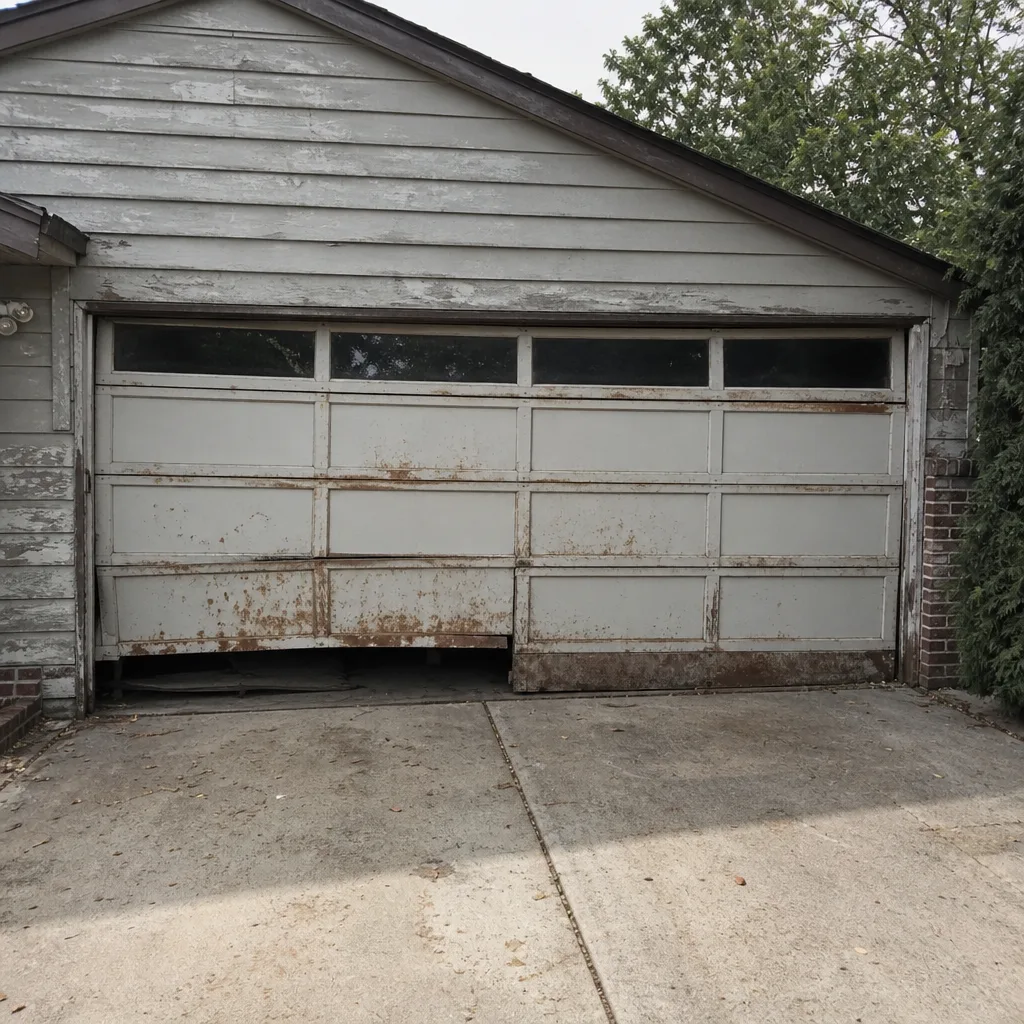 Before
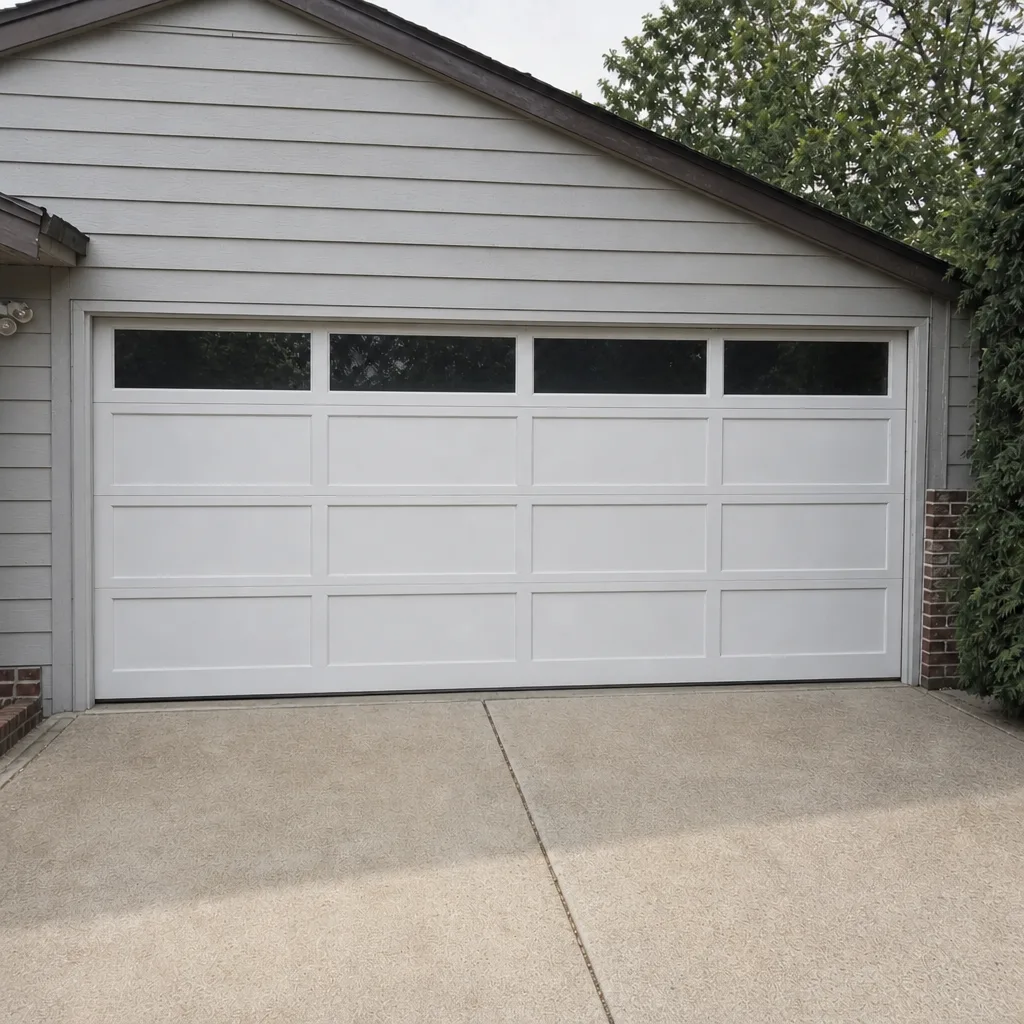 After
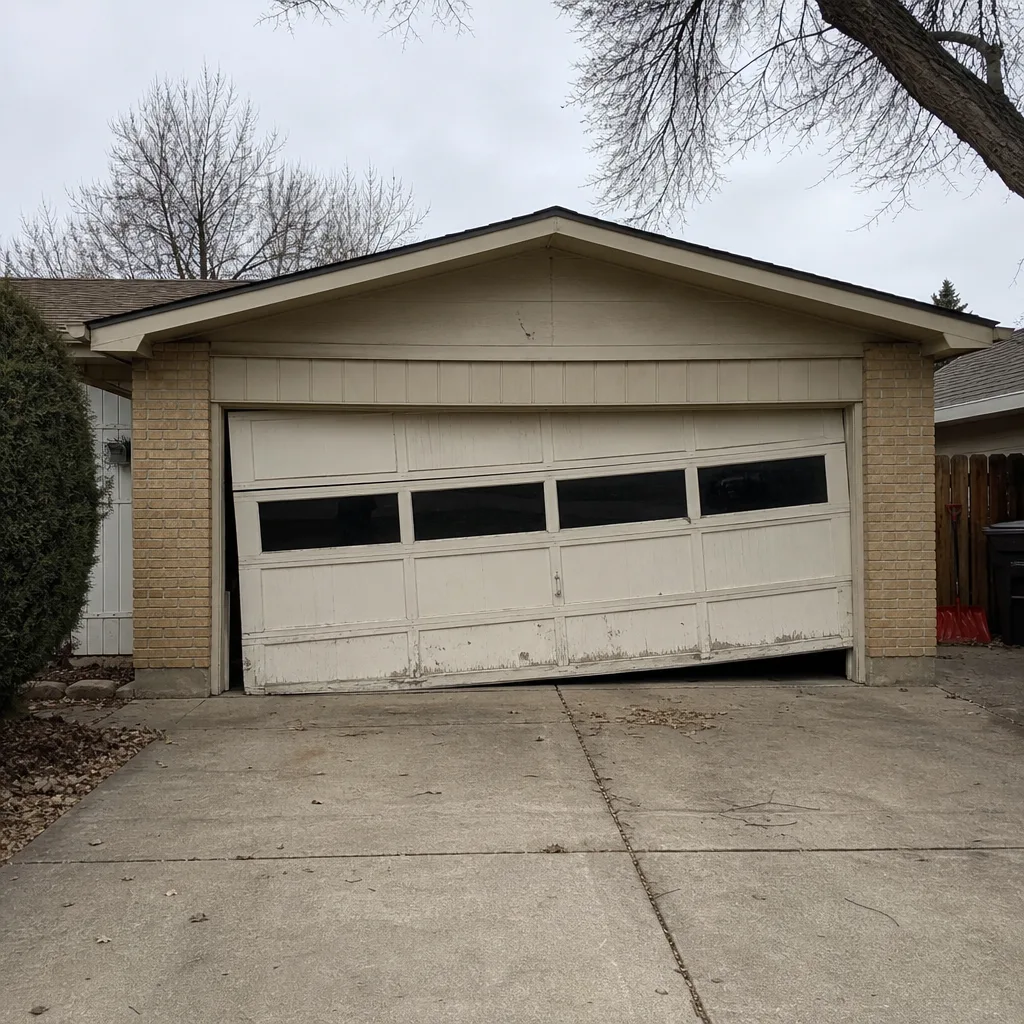 Before
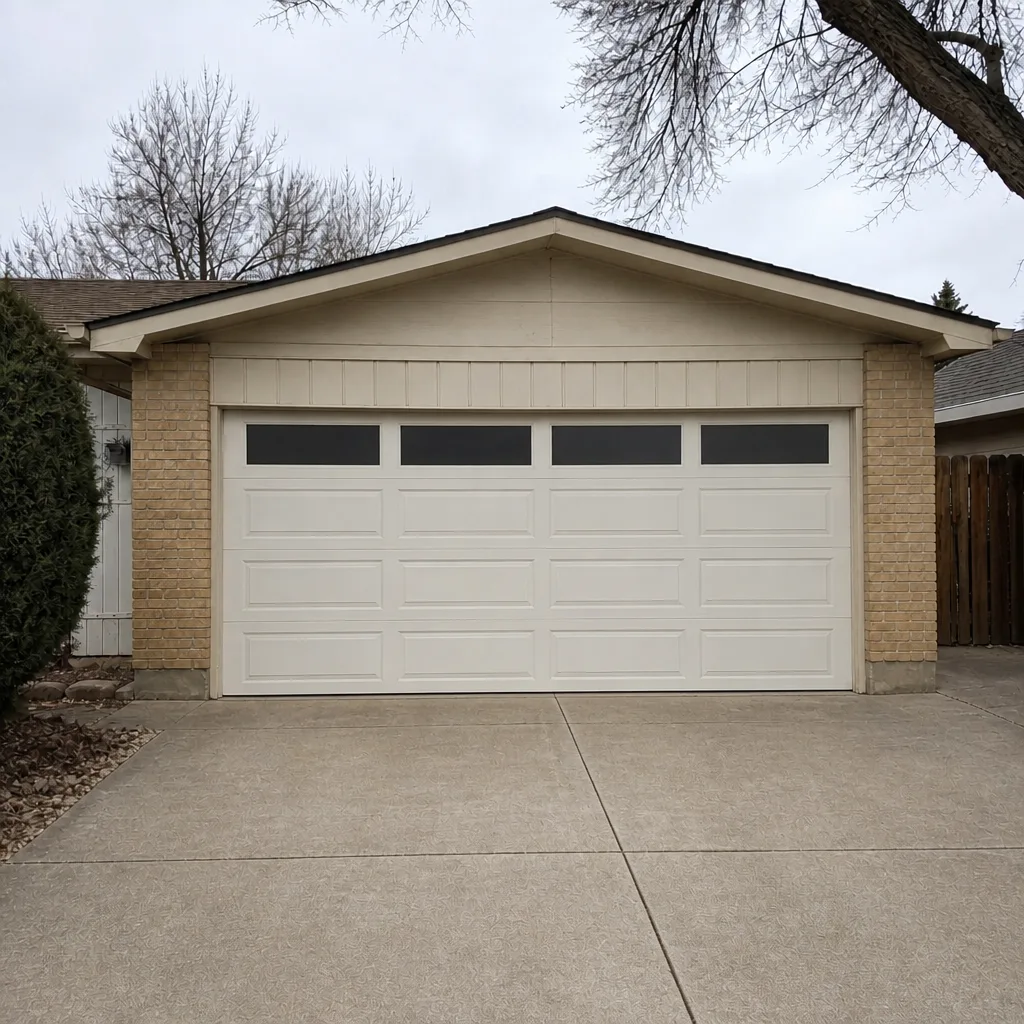 After
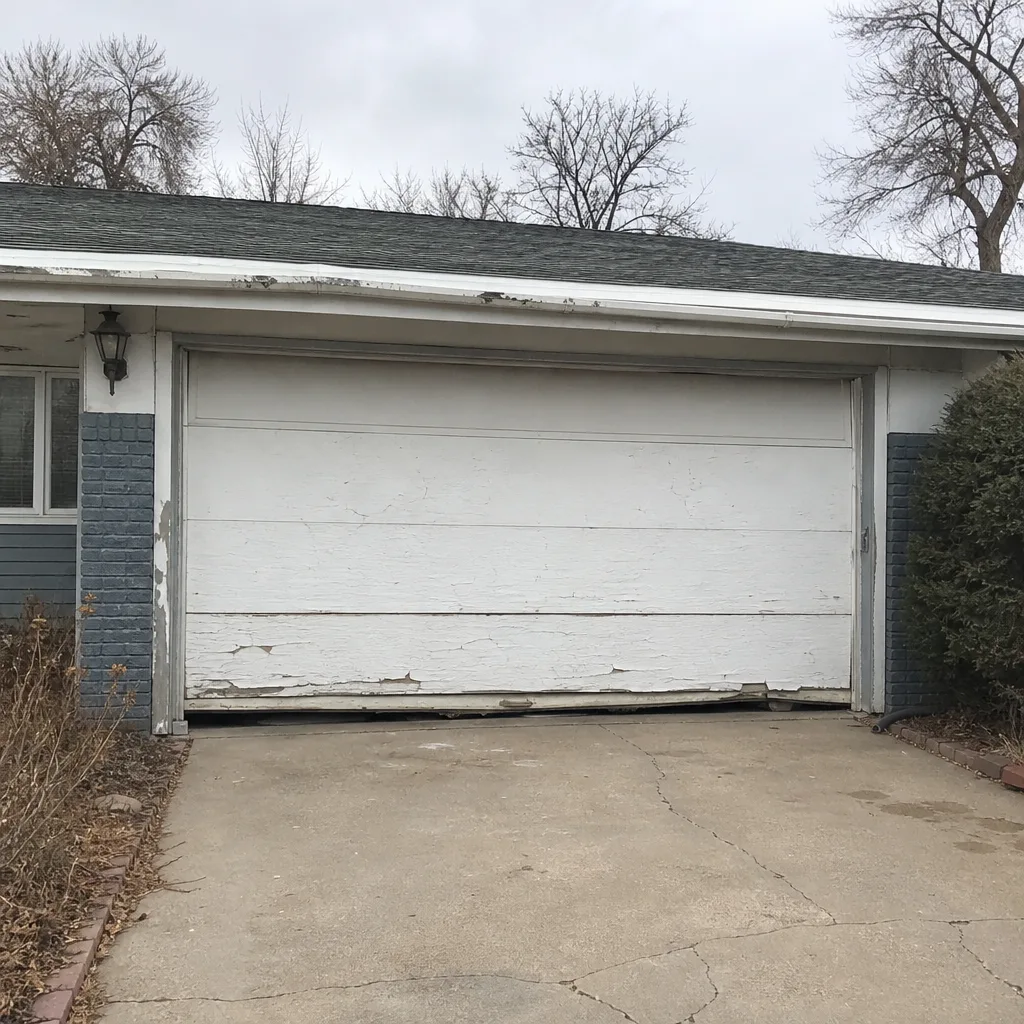 Before
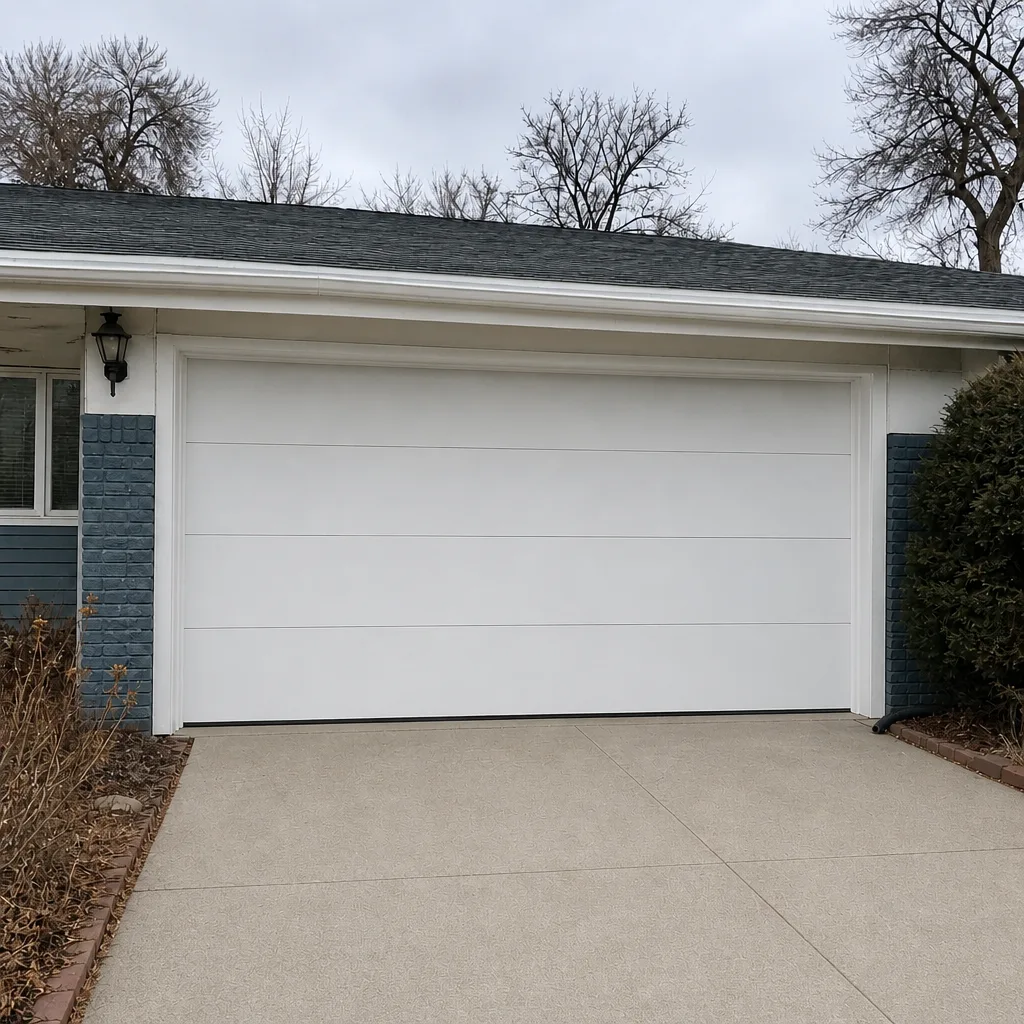 After
Frequently Asked Questions
In most cases, no. A like-for-like replacement in the same opening at the same size generally doesn’t require a permit in Hampden. If the opening size changes, the framing is touched, or new electrical wiring is needed, expect a permit. Confirm with your city or county building department before work starts, since Hampden addresses can fall under Arapahoe County or City of Englewood rules. Call (855) 490-5104 for a free estimate, and we can help you sort out which category your job falls into.
No. Spring repairs, cable and roller replacements, opener repairs, and panel swaps on existing doors generally need no permit. Repairs restore the door to working condition and don’t change the structure or the electrical. If the work crosses into new wiring or structural changes, that’s a different answer. Call (855) 490-5104 for an exact quote on the repair. Estimates are free.
A garage door inspection checks mounting and fastening, the structural condition of the header and framing, any electrical work, safety sensors and the reverse function, springs and cables, and how well the door balances and travels. First-visit failures usually come down to a safety feature that doesn’t work or unsign-off electrical work. Get those sorted before the inspector arrives. Call (855) 490-5104 if you want a trained technician to look the door over first.
You deal with it through retroactive compliance. In most jurisdictions, you file a permit after the fact, get the existing work inspected, and correct anything that doesn’t meet current standards. The inspection then documents the work and the record is corrected. It’s a paperwork and inspection process, not usually a rebuild. Call (855) 490-5104 and we can walk through what a compliant setup looks like on your door.
Yes, for the eight brands we cover: LiftMaster, Chamberlain, Genie, Clopay, Amarr, Wayne Dalton, Craftsman, and Raynor. That range covers most residential systems, from older Craftsman and Genie units to newer LiftMaster and Raynor openers. We diagnose and repair without guesswork because we work on your equipment. Call (855) 490-5104 to book a free estimate.
The homeowner typically applies for the permit, since it’s tied to the property and the inspection record. We can tell you what category your job falls into and what the work involves so you know what to file. We don’t file permits on your behalf. When you’re ready to schedule, call (855) 490-5104 and mention whether you’re filing a permit so we can plan the work accordingly. Estimates are free.
The Bottom Line
Garage door permits in Hampden are situational, and the situations aren’t hard to sort out once you know what to ask. Like-for-like replacement and repairs generally don’t need a permit. New openings, framing changes, and new hardwired electrical usually do. Your property’s jurisdiction, whether Arapahoe County or City of Englewood, decides which office you call. Ask before you start, keep the paperwork, and test the safety reverse before any inspection. That set of habits costs nothing and prevents the closing-table surprises that cost real money and time. When you’re ready to schedule work on the door itself, call (855) 490-5104. We answer 24/7.
Related Services in Hampden
Permits and inspections are one part of keeping a garage door compliant and working. When the door itself needs attention, we cover the full range under one service call. From a broken spring to a full system replacement, we work on the brand you already have.
Learn more about our Hampden Garage Door Repair services, and see how we handle everyday problems and scheduled replacements across the eight major brands.
Written by the team at Hampden Garage Door Repair.
What happens when you call
- 1
A real person answersNo phone trees – you reach a local pro.
- 2
You get an upfront price rangeHonest numbers before anyone is dispatched.
- 3
A background-checked tech heads outLicensed & insured, dispatched right away.
- 4
You approve before work beginsNothing starts until you say go.