
Last updated November 22, 2026
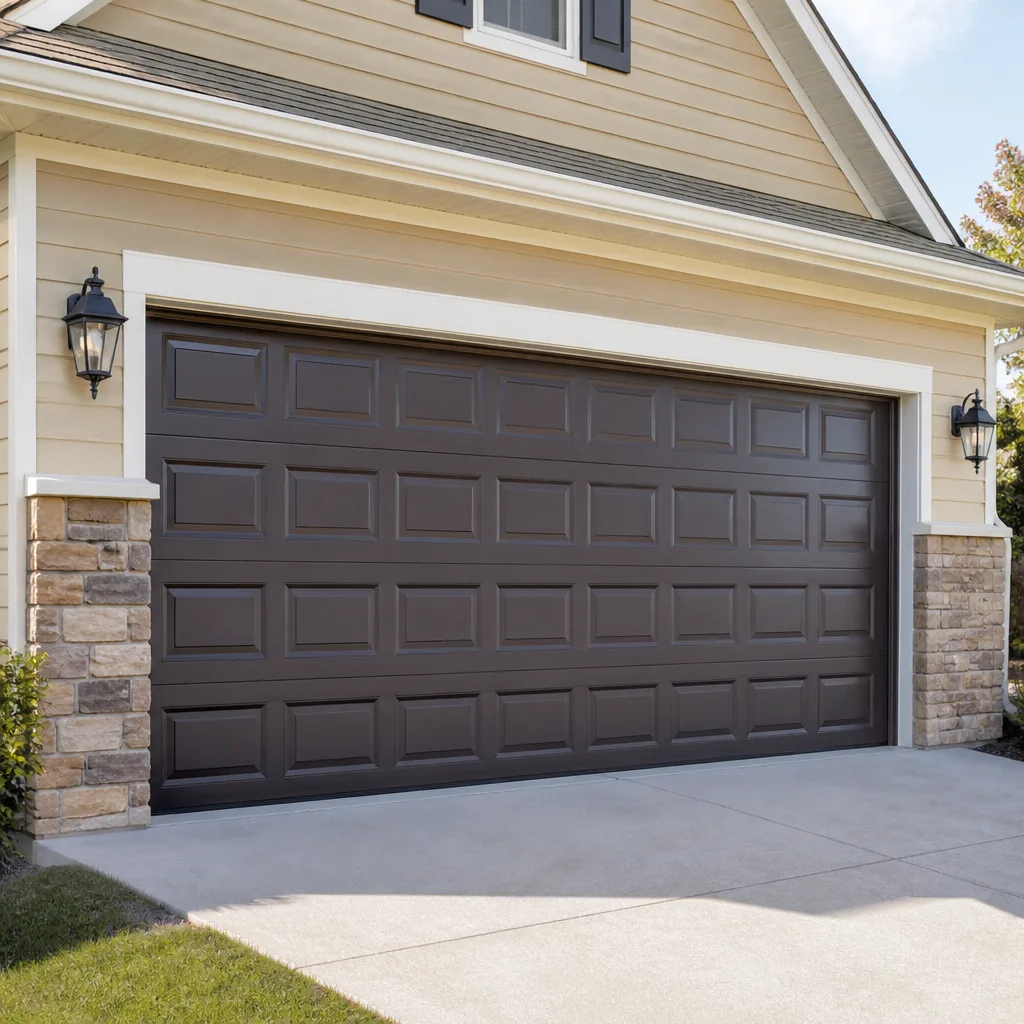 Raised-panel steel
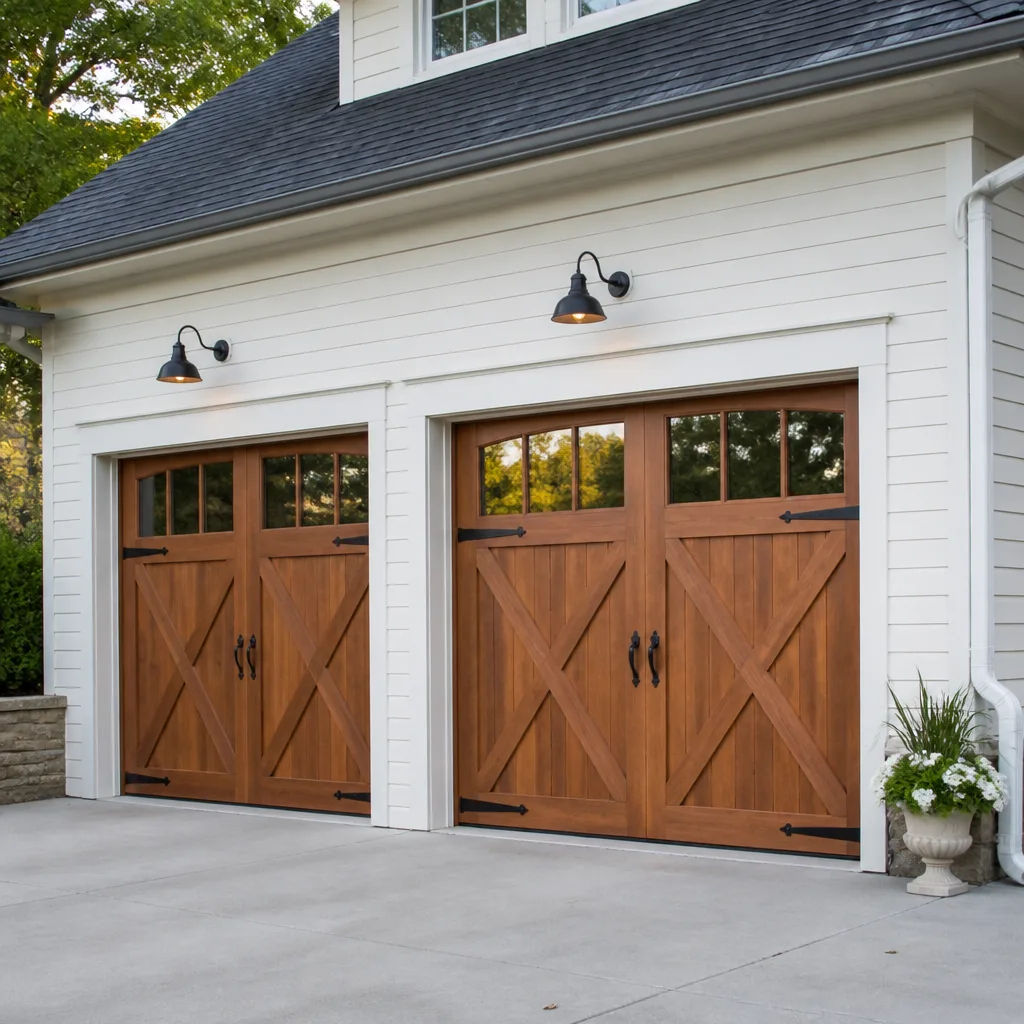 Carriage house
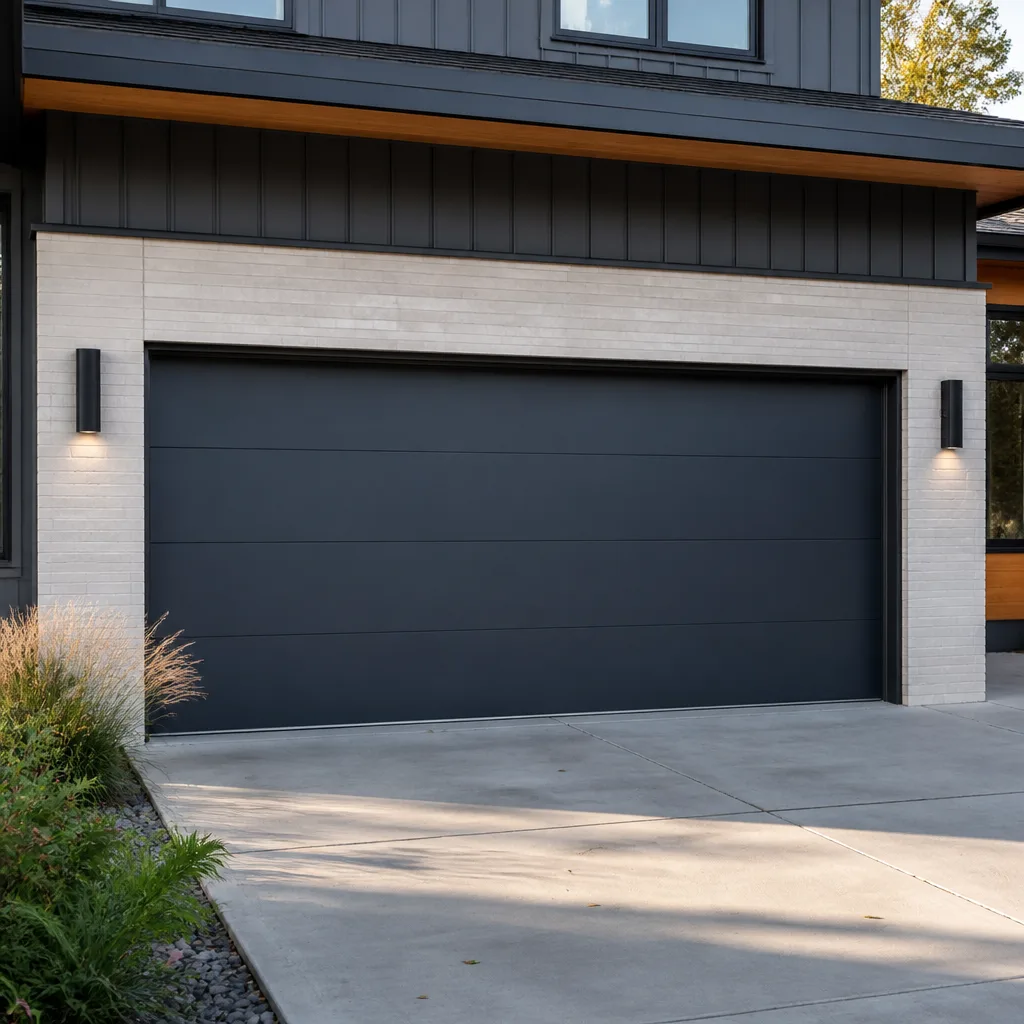 Modern flush
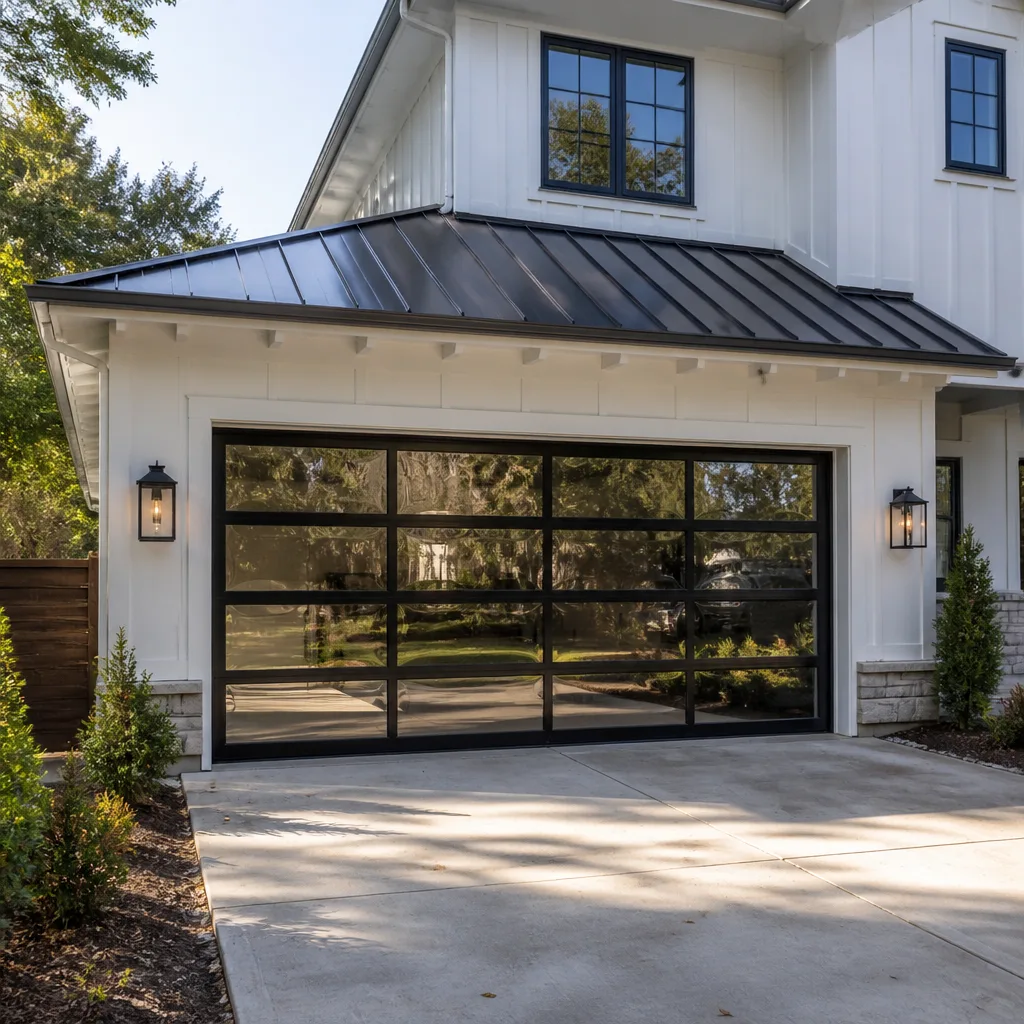 Full-view glass
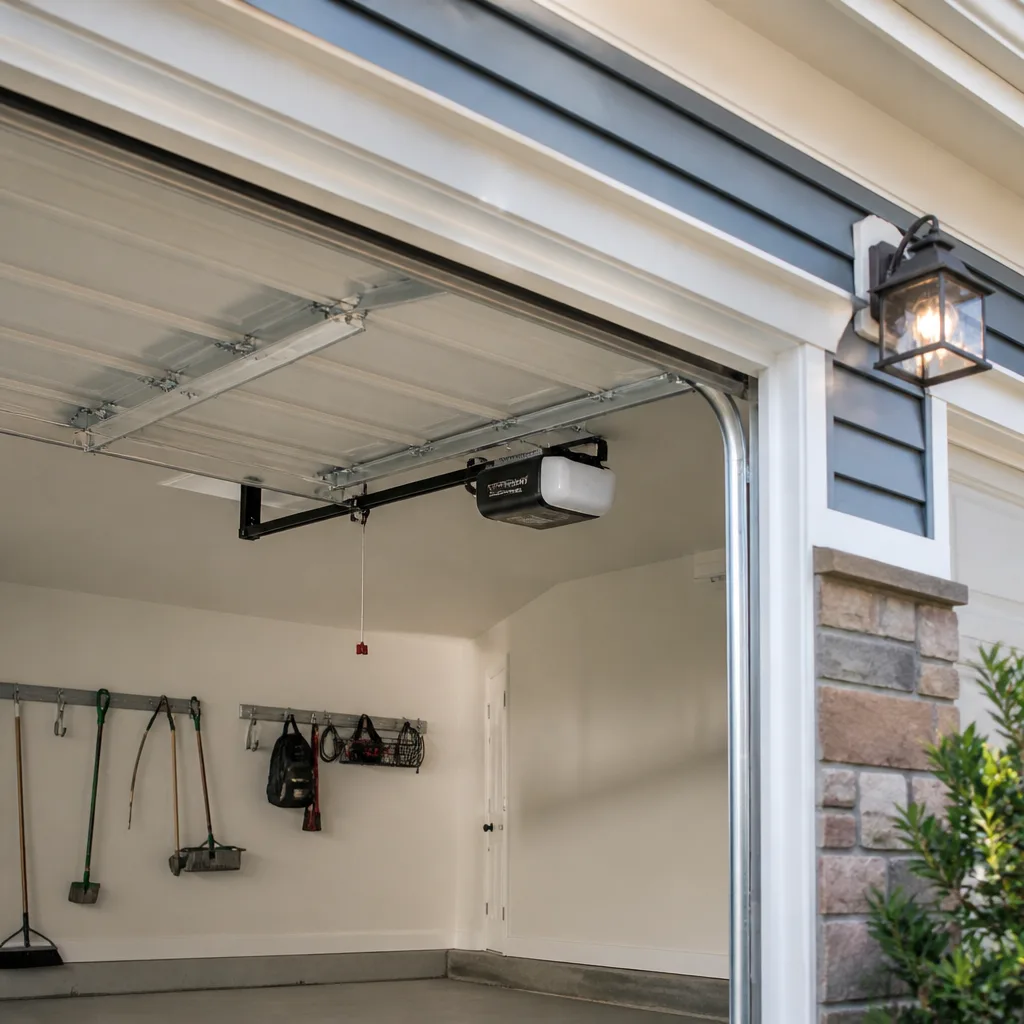 LiftMaster openers
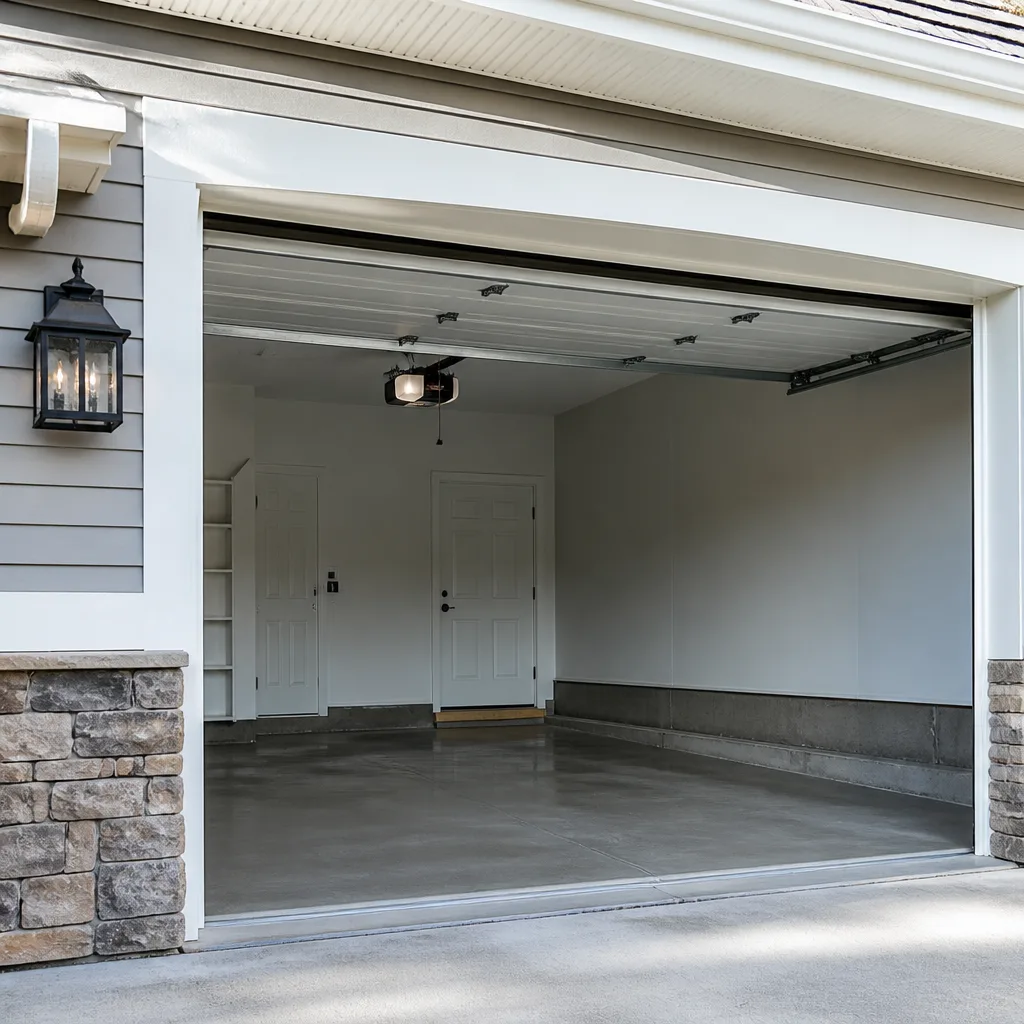 Chamberlain openers
Full 25-point door and opener safety check with every visit - springs, cables, rollers, tracks, and your LiftMaster or Chamberlain opener included
You get a price before we start. It does not change when the pro arrives.
Get your free estimateGarage Door Repair Troubleshooting in Hampden: Common Problems and How to Fix Them
Most troubleshooting advice treats every garage door problem as unique. In our experience, they aren’t. Nearly everything that goes wrong with a residential door falls into one of six failure patterns, and identifying the pattern tells you within a minute whether you’re looking at a five-minute adjustment or a job that needs a trained technician before anyone gets hurt. That distinction matters here in Hampden, where the temperature swings between seasons push metal, springs and sensors in ways that can make an electrical fault look mechanical. This guide maps symptoms to root causes, flags what’s safe to touch and what isn’t, and explains why a door that “started working again” on its own is usually bad news, not good.
Quick Answer
Garage door problems usually trace back to one of six causes: a broken spring, a misaligned or blocked safety sensor, a snapped or slipping cable, a bent or worn roller and track, an opener logic or force-setting fault, or a power and wiring issue. Sensor alignment, lubrication and limit adjustments are safe to handle yourself. Springs, cables and bottom brackets are not, because they hold the door’s full weight under tension. If the door won’t lift, slams down, or moves unevenly, stop and call a technician. Call (855) 490-5104 for a free estimate. We answer 24/7, with fast dispatch from 7am to 7pm, Sunday through Friday.
Styles & brands we work with
- Raised-panel steel
- Carriage house
- Modern flush
- Full-view glass
- LiftMaster openers
- Chamberlain openers
Table of Contents
- Why Your Door’s Weight Changes the Diagnosis
- The Six Failure Patterns: A Symptom-to-Cause Matrix
- What’s Safe to Fix Yourself and What Isn’t
- How Hampden’s Temperature Swings Cause “Electrical” Problems That Aren’t
- Decoding Opener Error Codes: LiftMaster, Chamberlain and Genie
- Why a Door That “Fixed Itself” Is a Warning Sign
- When Repair Makes More Sense Than Replacement
- Common Mistakes to Avoid
- When to Call a Professional
- Frequently Asked Questions
Why Your Door’s Weight Changes the Diagnosis
A standard single-car garage door weighs somewhere between 130 and 350 pounds, depending on material, insulation and width. That weight doesn’t sit on the opener. It hangs on a spring system that’s wound to counterbalance the door so a person can lift it with one hand. When troubleshooting, this single fact should shape everything you do next, because it tells you which components are load-bearing and which are just guidance.
Here’s the part most guides skip: the door’s weight distribution changes the moment a spring weakens or breaks. A door that was perfectly balanced last month can suddenly feel like it weighs 200 pounds, and the opener will strain to lift it. That strain is what burns out gears, strips drive belts and cracks logic boards. So when a homeowner in Hampden tells us the opener “just died,” the real question is whether the opener failed on its own or was killed by a door it could no longer lift.
Three checks tell you a lot before you touch anything:
- Lift test (door disconnected): Pull the manual release, then lift the door by the handle. A properly balanced door rises smoothly with modest effort and stays put at any height. If it feels heavy or drops, the spring system is the problem.
- Visual spring check: Look at the torsion spring above the door or the extension springs along the sides. A two-piece torsion spring with a visible gap means it’s broken. A stretched, sagging extension spring is on its way out.
- Listen first: Run the door and listen before you look. A bang followed by a door that won’t lift is almost always a spring. A grinding sound is rollers or bearings. A click with no movement is opener logic or power.
Do this diagnostic work with the door disconnected and the power off. It’s the most important step, and it’s the one most troubleshooting guides skip entirely. If you’d rather have a trained eye confirm what you’re seeing, our Hampden Garage Door Repair team can walk you through it over the phone or send someone out.
The Six Failure Patterns: A Symptom-to-Cause Matrix
This is the heart of the guide. Match your symptom to the pattern, follow the next step, and you’ll know whether you’re dealing with a DIY fix or a technician job. Our technicians have up to 13 years of experience across eight major brands, and nearly every service call we handle starts with one of these six patterns.
Pattern 1: Door Won’t Move at All
No movement usually means one of three things: a broken spring, a dead opener or a tripped safety circuit. Start by checking whether the opener has power and whether its lights are responding. If the opener hums but the door doesn’t move, the drive gear or belt may be stripped. If it’s silent, check the wall outlet and the breaker. If the opener runs but the door won’t budge, the spring is the likely culprit, and that’s a stop-and-call situation.
Pattern 2: Door Moves but Won’t Close
This is almost always the safety sensors. Modern doors have a photo-eye pair mounted about six inches off the floor on each side of the opening. If the beam is blocked, misaligned or the lenses are dirty, the door will travel down a few inches and reverse. Check for cobwebs, a bumped sensor bracket or sunlight hitting the receiving eye directly. Straighten the brackets, clean the lenses and confirm both indicator lights are steady before trying again.
Pattern 3: Door Reverses Unexpectedly or Stops Mid-Travel
Intermittent reversal points at the opener’s force settings or limit switch. If the door reverses at a different height each time, the force setting may be too sensitive for the door’s weight or the tracks may be binding. If it stops at the same point every time, the travel limits need adjusting or a roller is catching. A door that reverses because of binding is telling you something mechanical needs attention.
Pattern 4: Loud or Grinding Operation
Noise is the easiest pattern to diagnose and the easiest to ignore too long. Grinding points at dry or worn rollers, rough track or failing bearings. A single loud pop is often a spring or a cable. A steady squeal is usually metal-on-metal contact from a lack of lubrication. Address noise early and you avoid the wear that leads to bigger failures.
Pattern 5: Door Is Crooked or Off-Track
When one side lifts higher than the other or the door binds in the frame, a cable has likely slipped off a drum or a roller has popped out of the track. This pattern is dangerous because a door can come down hard and fast when a cable lets go. Don’t run the opener. Disconnect it and call a technician.
Pattern 6: Opener Runs, Door Doesn’t Follow
If the opener motor turns but the door doesn’t move, the drive mechanism has failed. On a chain or belt drive, the chain may be loose, broken or off the sprocket. On a screw drive, the trolley may have stripped. This is a contained opener repair, and knowing your brand helps. We work on the brand you already have, including LiftMaster, Chamberlain and Genie, plus door brands like Clopay, Amarr, Wayne Dalton, Craftsman and Raynor, so most of these get diagnosed on the first visit.
What’s Safe to Fix Yourself and What Isn’t
We’d rather you know the line than cross it. Some garage door maintenance is genuinely safe for a homeowner with a stepladder and a few tools. Some of it will put you in the hospital. Here’s where that line sits.
DIY-Safe
- Safety sensor alignment: Loosen the wing nut, nudge the bracket until the indicator light is steady, and retighten. This is the single most common fix and it takes minutes.
- Cleaning photo-eye lenses: A soft cloth and a little water. Do this seasonally, especially after Hampden’s spring dust and pollen.
- Lubrication: A garage door-specific lubricant on rollers, hinges and the torsion spring (never grease on the tracks, which collects grit) keeps things quiet and reduces wear.
- Track cleaning and light debris removal: Wipe the inside of the tracks with a damp cloth. Don’t bend them.
- Limit and force adjustments: These are on the opener head and documented in the manual. Small changes only, one setting at a time.
- Replacing the opener’s battery backup or remote batteries: Straightforward and safe.
- Visual inspection: Look at springs, cables, pulleys and rollers regularly. Noticing a problem early is half the battle.
Technician-Required
- Torsion and extension spring replacement: A wound spring holds enough force to break a hand or worse. Springs are dangerous, and this is one of the most skill-intensive jobs in the trade. Leave it to a specialist.
- Cable replacement or re-spooling: Cables are under the same tension as springs. A snapped cable can whip with serious force.
- Bottom bracket work: The bottom bracket is where the cable attaches, and it’s under constant tension.
- Track realignment after a bend: Bending a track back by hand weakens it and can throw the door’s balance.
- Opener logic board replacement: Board-level electrical work should be done by someone trained on the brand.
- Panel and hinge replacement on a bent or damaged door: Structural work that affects the door’s balance and safety.
If your symptom lands in the second list, stop. Fast dispatch from 7am to 7pm means we can get a trained technician to you without you taking the risk. Call (855) 490-5104 and we’ll quote the job before any work starts.
How Hampden’s Temperature Swings Cause “Electrical” Problems That Aren’t
Hampden sits east of the Denver metro, close enough to the Front Range that the weather changes fast and hard. Summer afternoons push into the 90s and higher, winter mornings drop well below freezing, and the swings between are dramatic. Metal moves when it’s heated and contracted, and a garage door has a lot of metal under tension. That movement explains a whole category of problems that look electrical but aren’t.
Here’s how it plays out across the year:
- Winter contraction: Cold metal shrinks and stiffens. Springs lose some of their tension and doors feel heavier. Lubricant thickens. Safety sensor brackets that were aligned in summer can shift slightly as the mounting screws and the concrete around them contract.
- Summer expansion: Track, hinges and door panels expand and can bind. A door that ran perfectly through winter suddenly squeals or drags. Springs under load in intense heat are more prone to failure.
- Shoulder-season swings: This is the tricky one. A day that starts at 30 degrees and ends at 70 will move metal through the whole range. Sensor beams that were fine at 8am can trip by noon. Doors can reverse at the same point every day for a week and then stop doing it when temperatures settle.
The takeaway is that when a door misbehaves only at certain times of day, or only in certain seasons, you should look at the mechanical side before the electrical side. Tracks, rollers, springs and sensor brackets are the usual suspects. Checking alignment after a major temperature swing is a sensible seasonal habit here in Hampden.
If you’re noticing the same problem every season, that’s not a coincidence and it’s not a quick fix. Our garage door repair service handles the seasonal checks and the mechanical repairs that make those problems come back.
Decoding Opener Error Codes: LiftMaster, Chamberlain and Genie
Most modern openers have a diagnostic light or a small LED that blinks a pattern when something’s wrong. Learning to read it saves you time and money. We work on the brand you already have, and here’s the plain-language version for the three most common families.
LiftMaster and Chamberlain (They Share Most of the Same Logic)
These two brands are closely related and their error patterns mirror each other. On most models, the number of blinks on the diagnostic LED tells you what the opener thinks went wrong.
- Up-arrow LED blinks 1 to 5 times: The opener is reporting a safety sensor problem. Check alignment, clean the lenses and look for obstructions. If a steady sensor light won’t return, the wiring or the sensor itself may have failed.
- Down-arrow LED blinks: The opener is flagging a limit or travel problem, or a door that isn’t reaching its programmed positions. Check for binding and the door’s balance.
- Rapid blinking or a repeating pattern with no movement: The opener has tripped into a lockout or a force-sensing fault. Disconnect the door, check the balance, then reset the travel and force settings per the manual.
- No LED response at all: No power to the unit. Check the outlet, the breaker and the safety reverse test.
Genie
Genie openers use their own code set, usually a light count that maps to a specific fault. Common ones you’ll see: a code for an obstruction or sensor fault, a code for a force or limit fault, and a code for a bad connection between the wall control and the opener. Genie’s pattern is often a distinct blink count that repeats. The manual is your best resource for the exact map, and a quick search of your model number will confirm the code.
One thing we see over and over in Hampden: a homeowner resets the opener, the door works once, and then throws the same code. That’s not an opener problem. The opener is telling you the door itself has a mechanical issue it can’t overcome. Our garage door opener repair service sorts out which brand logic is firing and whether the fix is on the opener side or the door side.
See the difference
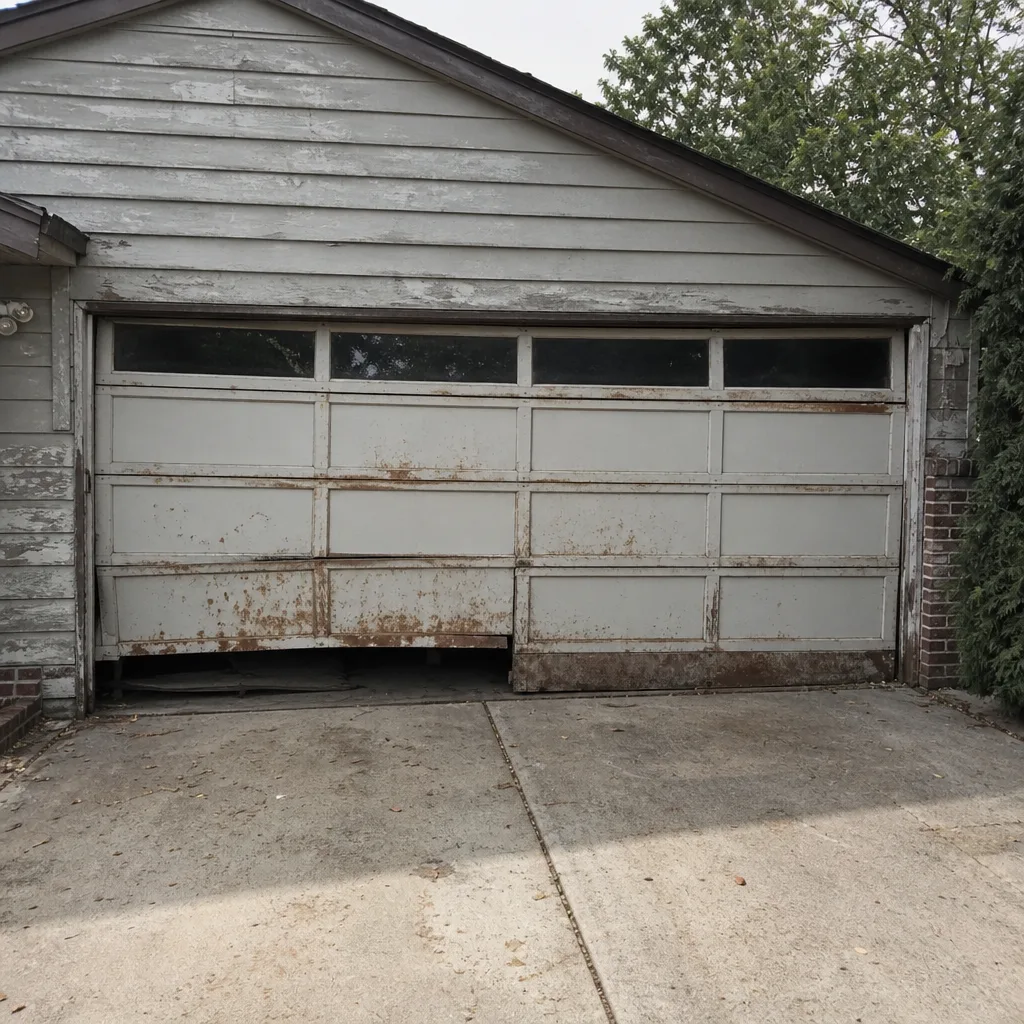 Before
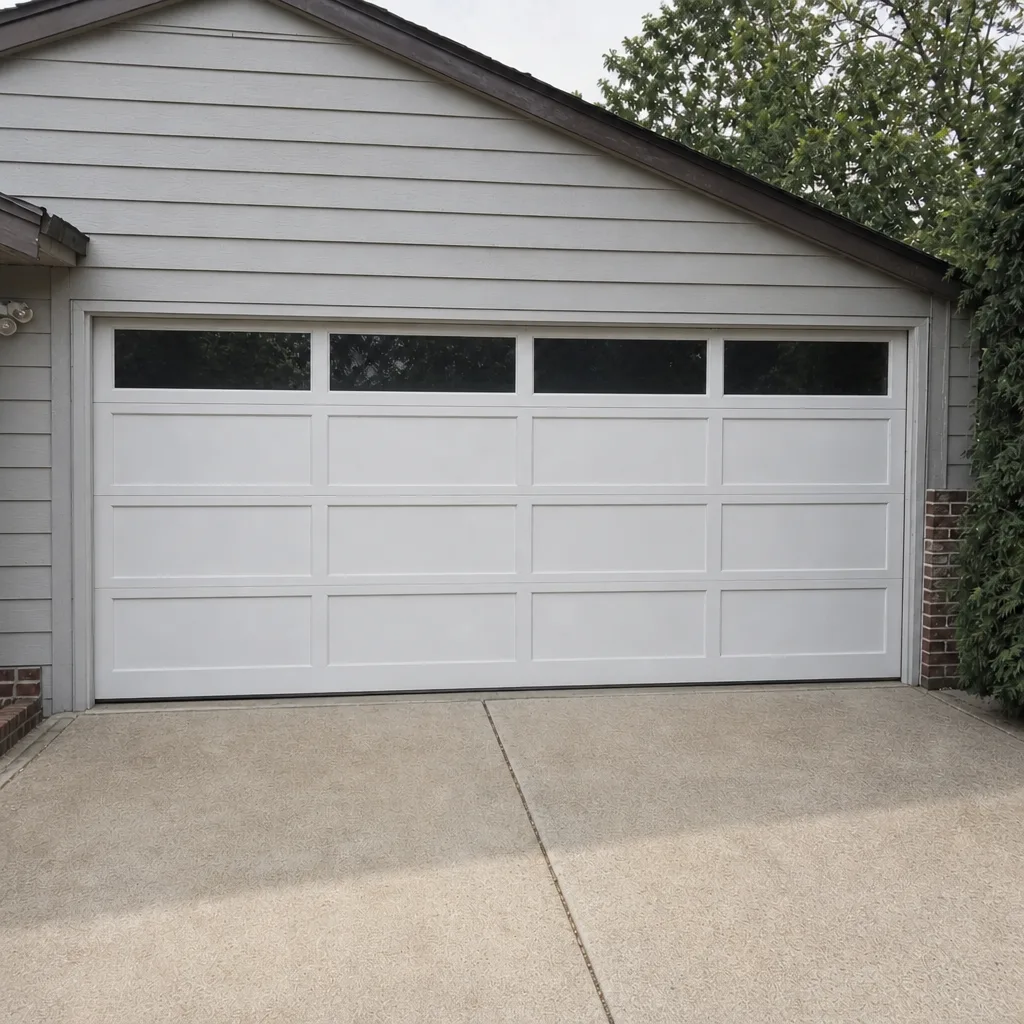 After
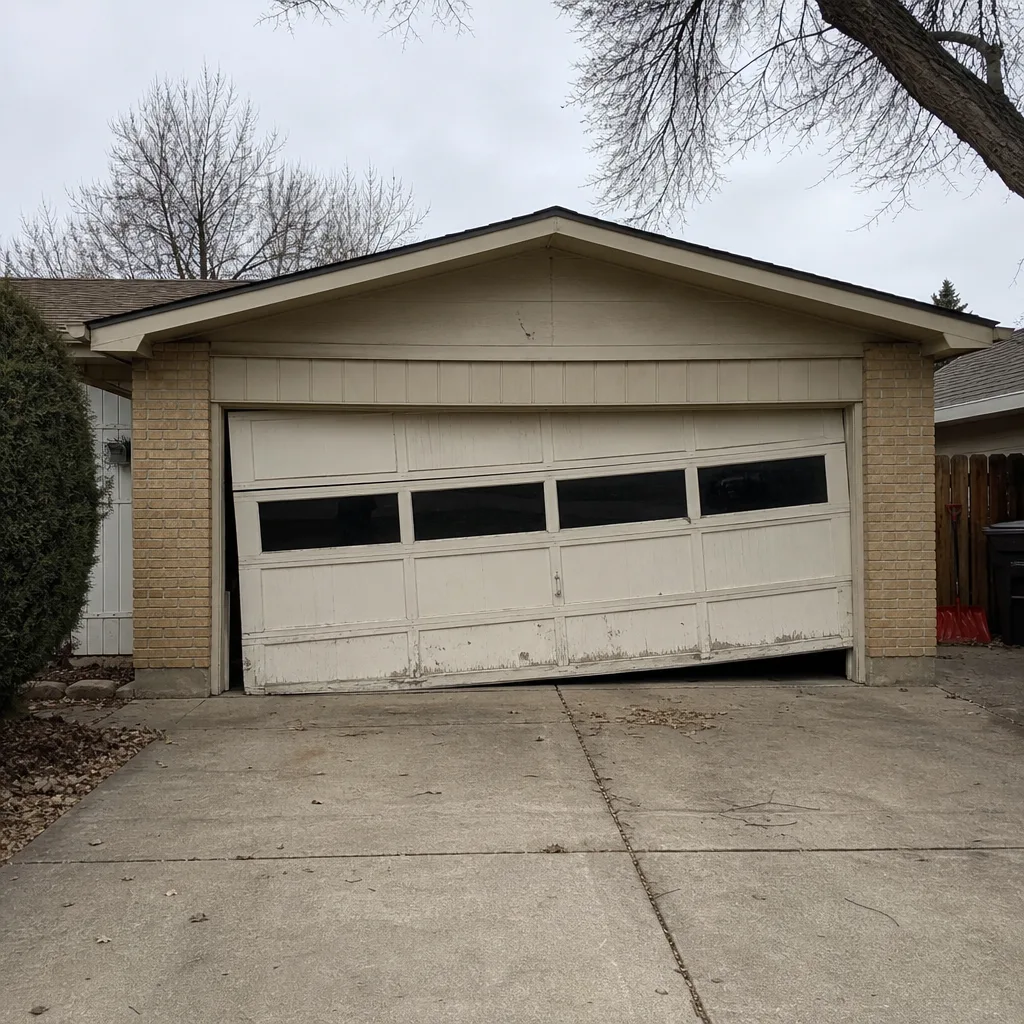 Before
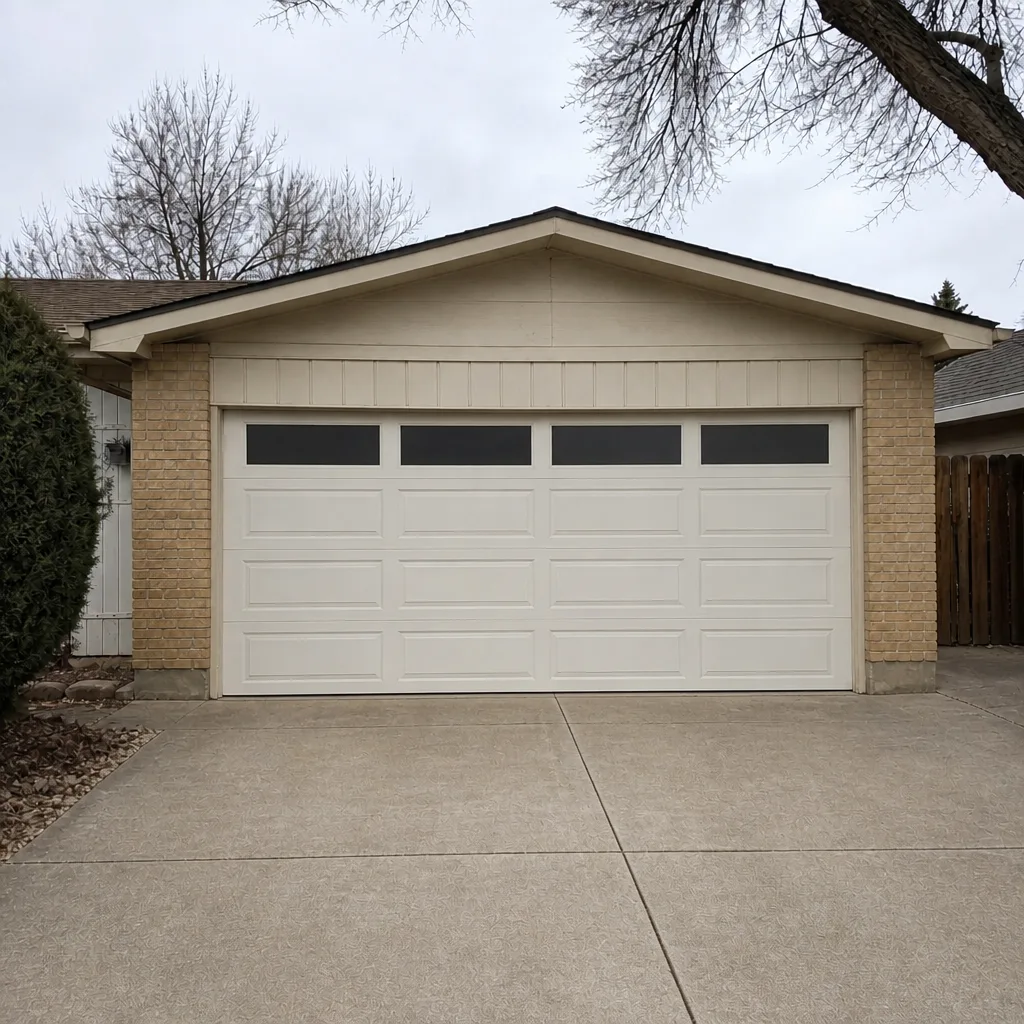 After
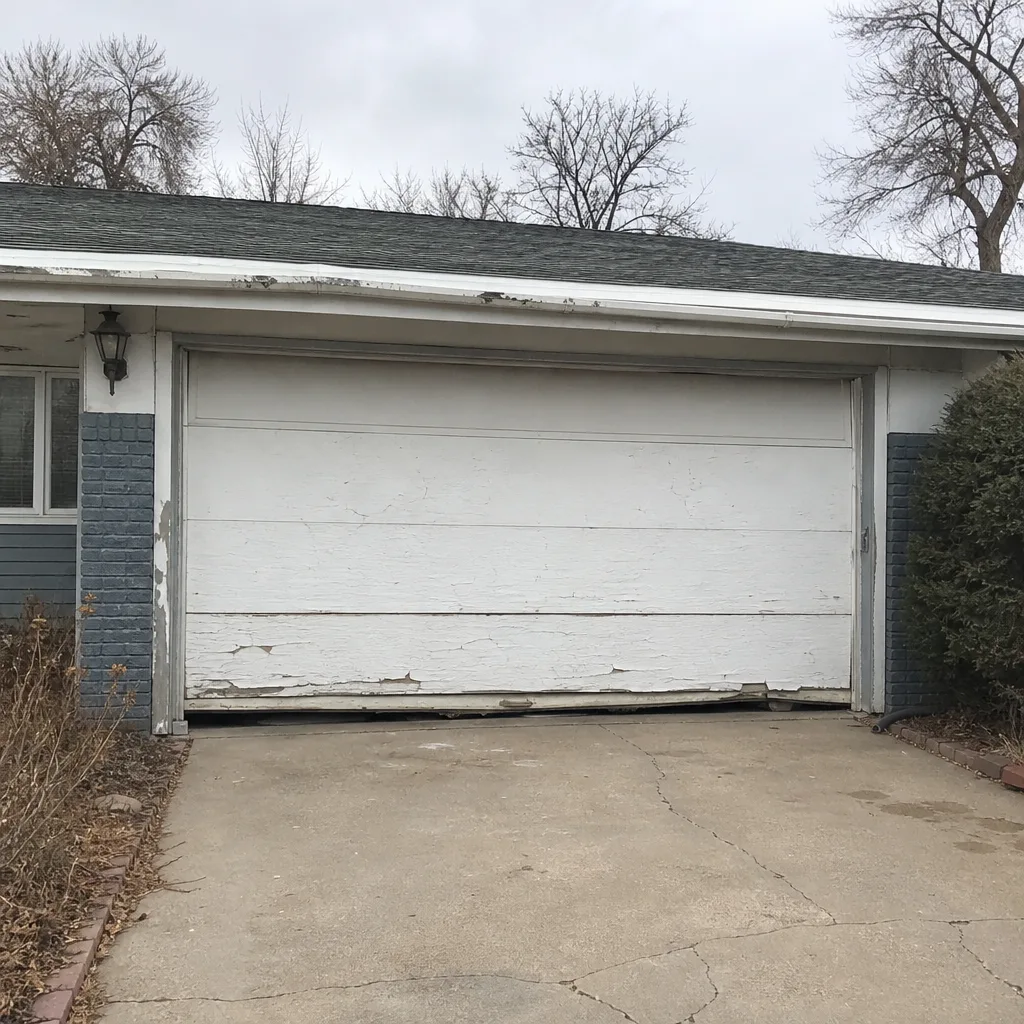 Before
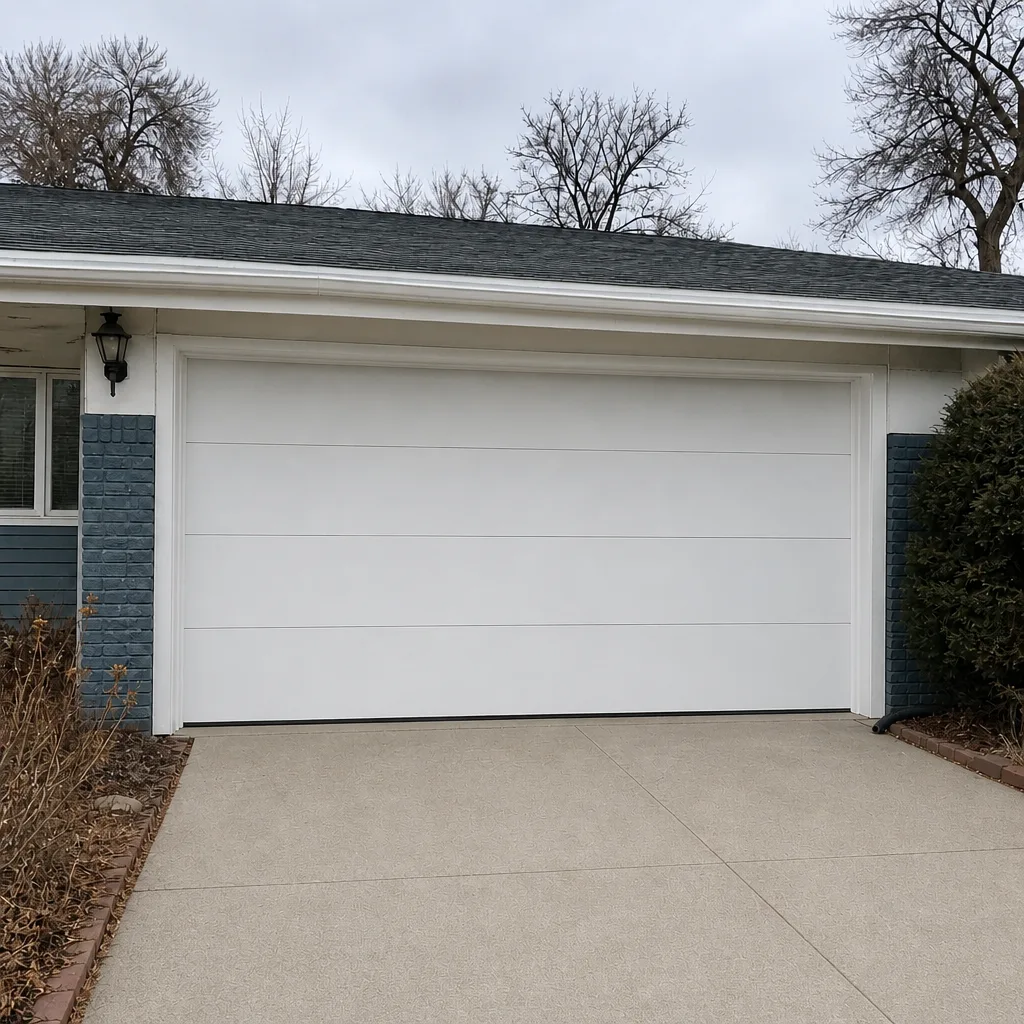 After
Why a Door That “Fixed Itself” Is a Warning Sign
A door that works intermittently is not fixed. It’s a warning. This is the single most misunderstood thing in garage door troubleshooting, and it’s worth slowing down for.
Intermittent failures happen for three main reasons: a marginal safety sensor, a weakening spring or a loose or damaged electrical connection. All three can pass a casual test and fail the next time. Sensor problems fluctuate with temperature, light angle and dust. Springs weaken gradually, so a door that ran fine on Monday can fail on Thursday. Loose connections can re-seat themselves when the door shifts.
Here’s why “it’s working now” is the wrong conclusion:
- A marginal spring is one bad cycle away from breaking, and when it breaks, the door comes down hard. That’s the scenario where someone gets hurt.
- A marginal sensor can let the door close on a vehicle, a pet or a person, because the safety reverse test isn’t reliable.
- A marginal electrical connection can overheat or arc. It’s a fire risk that you won’t see until it’s a real problem.
The responsible move is to treat every intermittent failure as if it were still happening, because it is. Get it checked. A short service call now is cheaper and safer than a repair or an injury later. Same-day service is often possible for this kind of diagnostic work, and the technician will quote the job before any repair starts.
When Repair Makes More Sense Than Replacement
Homeowners in Hampden ask us this constantly, and the honest answer depends on the door’s age, the damage and what you’re trying to achieve. We’ll tell you whether to repair or replace, straight, without pushing one way or the other.
Repair usually wins when:
- The door is otherwise sound and the problem is a single component, such as a spring, a roller set or a sensor.
- The opener is compatible with a modern door and the door hardware matches the brand you already have.
- The damage is cosmetic or contained, like a dented bottom panel.
- The door is reasonably well insulated and you don’t plan major changes to the garage.
Replacement starts to make more sense when:
- The door is showing multiple simultaneous failures: a cracked panel, a bent track, tired springs and a failing opener all at once.
- You want better insulation or a quieter door.
- Repeated repairs on the same door are adding up to more than the cost of a new one.
- The opener is a model your brand no longer services, and parts are hard to source.
Our garage door installation work covers the full replacement, including the measure, the order and the finished install. We’ll tell you the honest trade-off and let you decide.
Common Mistakes to Avoid
- Trying to adjust or replace a torsion spring yourself. This is the mistake that causes the most serious injuries in this trade. A wound spring can cause catastrophic injury in an instant, and no homeowner tool is built for it.
- Running the opener after a spring breaks. The opener isn’t designed to lift the unassisted door, and forcing it will burn out the motor or gear. Disconnect the door first.
- Greasing the tracks to quiet a noise. Lubricant on the tracks collects grit and dust, which accelerates wear and makes binding worse. Lubricate the rollers and hinges, not the tracks.
- Bending a track back into place by hand. Bending weakens the steel and throws off the door’s balance. A deformed track needs to be replaced, not straightened.
- Ignoring an intermittent sensor. A sensor that works most of the time is a sensor that isn’t doing its job. Test the safety reverse function monthly and fix any intermittent problem.
- Resetting the opener again and again. A reset clears a symptom but doesn’t fix a cause. If the same code comes back, the door or the opener has a real fault.
- Assuming the opener is the problem when the door is heavy. In our experience, most openers that die an early death were doing work they shouldn’t have been asked to do because a spring was failing. Check balance first.
When to Call a Professional
Some jobs are safe to attempt. Others need a trained technician before anyone gets hurt. Call a professional if you’ve got a broken spring, a snapped or slipped cable, a door that’s off-track or lopsided, a bottom bracket that needs work, a logic board fault on your opener, or any intermittent problem that keeps coming back. We’d also encourage a call if the door is on the heavier side, if you have children or pets using the garage, or if you’re not sure what you’re looking at.
Hampden Garage Door Repair offers free estimates in Hampden. Call (855) 490-5104. We answer 24/7, with fast dispatch from 7am to 7pm, Sunday through Friday. The local pro we connect you with is licensed and insured as their state requires, the estimate is free, and the price is quoted and agreed before any work starts. Our technicians have up to 13 years of experience, and we work on the eight major brands: LiftMaster, Chamberlain, Genie, Clopay, Amarr, Wayne Dalton, Craftsman and Raynor.
Frequently Asked Questions
Most garage door repairs in Hampden fall into a fairly predictable range. The exact number depends on the part and the job, and the written estimate sets the final price, so we won’t give you a guess before we’ve seen the door. Common repairs like sensor alignment, roller replacement or opener diagnostics typically land in a modest range, while spring or cable replacement costs more because of the skill and safety risk involved. Call (855) 490-5104 for an exact quote. Estimates are free.
Same-day service is often possible for repair calls, and a door that won’t close is exactly the kind of job we prioritize. Call (855) 490-5104. We answer 24/7, with fast dispatch from 7am to 7pm, Sunday through Friday. A call outside dispatch hours is booked into the next opening. If you’re outside the usual window, call and we’ll get you scheduled.
The price is quoted and agreed before any work starts, so you’ll know what you’re paying before the technician picks up a tool. If the diagnostic turns up something additional, you’ll hear about it first and decide whether to proceed. We won’t surprise you with an invoice that’s bigger than the quote. Call (855) 490-5104 for a free estimate.
The local pro we connect you with is licensed and insured as their state requires. We also work on the brand you already have, including LiftMaster, Chamberlain, Genie, Clopay, Amarr, Wayne Dalton, Craftsman and Raynor. Our technicians have up to 13 years of experience with springs, openers and installs. If you want to know what’s involved before anyone arrives, call (855) 490-5104.
An intermittent door is almost always a warning, not a resolution. The three common causes in Hampden are a marginal safety sensor (temperature changes and sun angle can shift it in and out of range), a weakening spring (which loses a little more tension with each cycle), and a loose connection that re-seats itself when the door shifts. Any of the three is a safety concern and worth a service call. Don’t wait for it to fail while someone is standing underneath.
No. A garage door spring holds enough stored energy to break a hand or cause worse, and there’s no safe way to handle one without the right tools and training. Springs, cables and bottom brackets are technician-only work. We offer spring repair as a dedicated service precisely because it’s one of the highest-risk jobs in the trade. Call (855) 490-5104 if you suspect a spring problem.
The Bottom Line
Most garage door problems are one of six failure patterns: won’t move, won’t close, reverses, loud, crooked or running without moving. Match your symptom to the pattern, decide whether it’s DIY-safe or technician-required, and don’t mistake an intermittent fix for a repair. Here in Hampden, temperature swings make the mechanical issues look electrical more often than you’d think, and opener error codes are usually telling you about a door problem, not an opener problem. Sensor alignment, lubrication and small limit adjustments are safe to handle. Springs, cables and bottom brackets aren’t. If you’re in doubt, stop and call. We’ll tell you straight what you’re looking at and whether it’s a repair or a replacement.
Call (855) 490-5104 for a free estimate. We answer 24/7, with fast dispatch from 7am to 7pm, Sunday through Friday. The local pro is licensed and insured as their state requires, and the price is quoted and agreed before any work starts.
Written by the team at Hampden Garage Door Repair.