
Last updated November 22, 2026
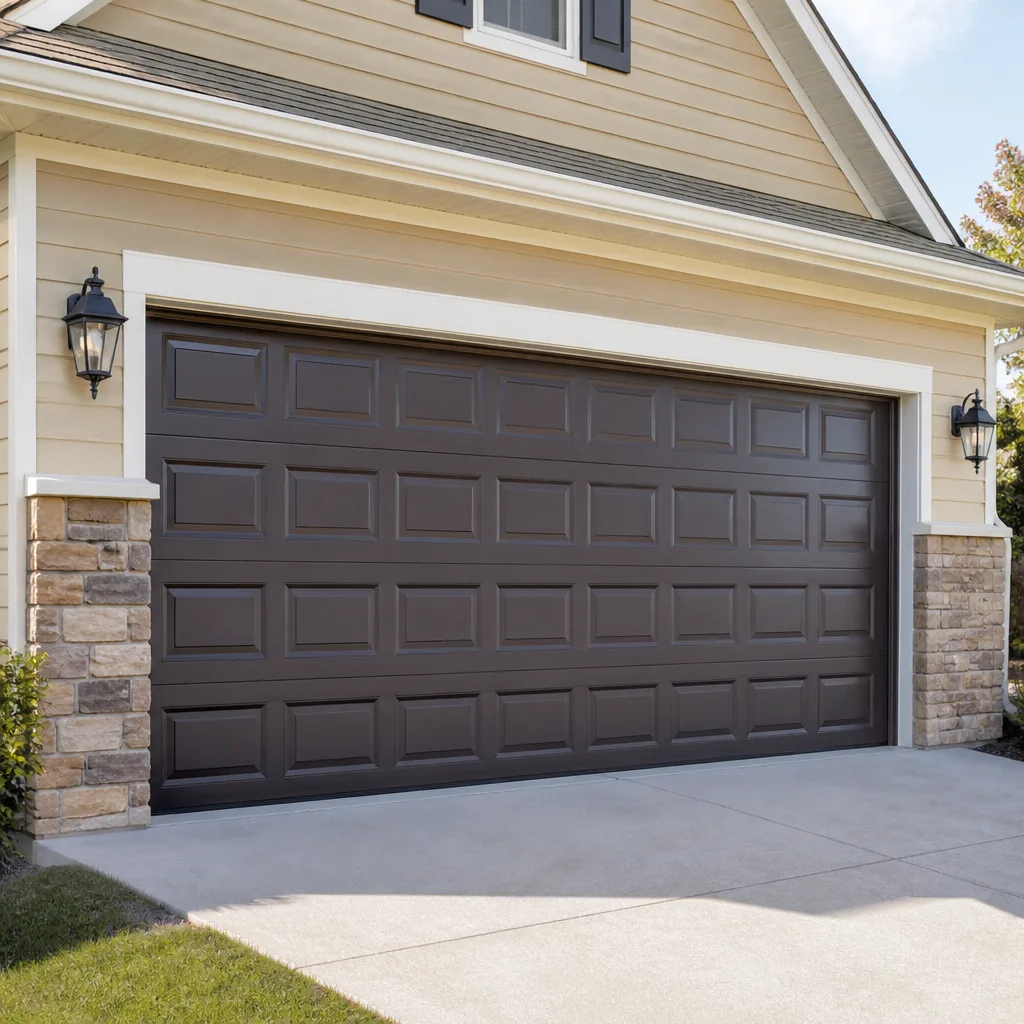 Raised-panel steel
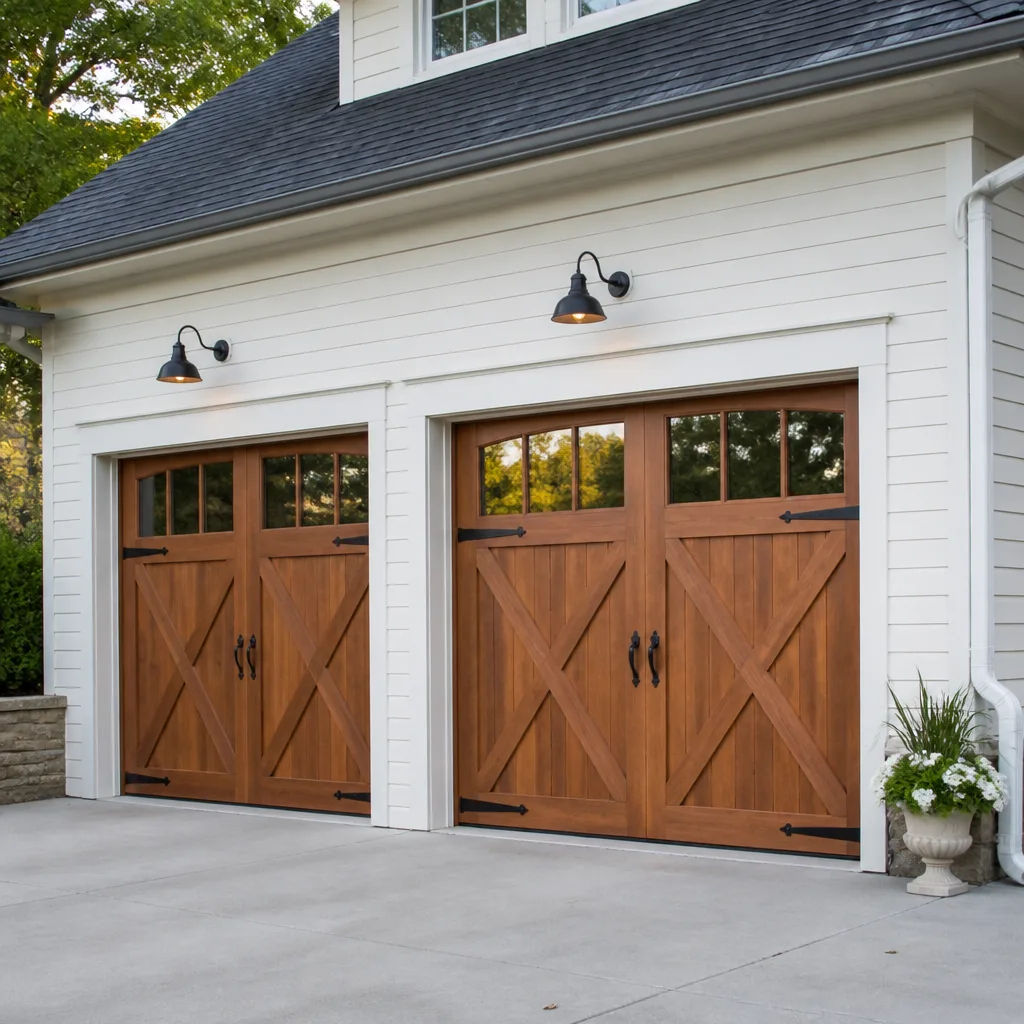 Carriage house
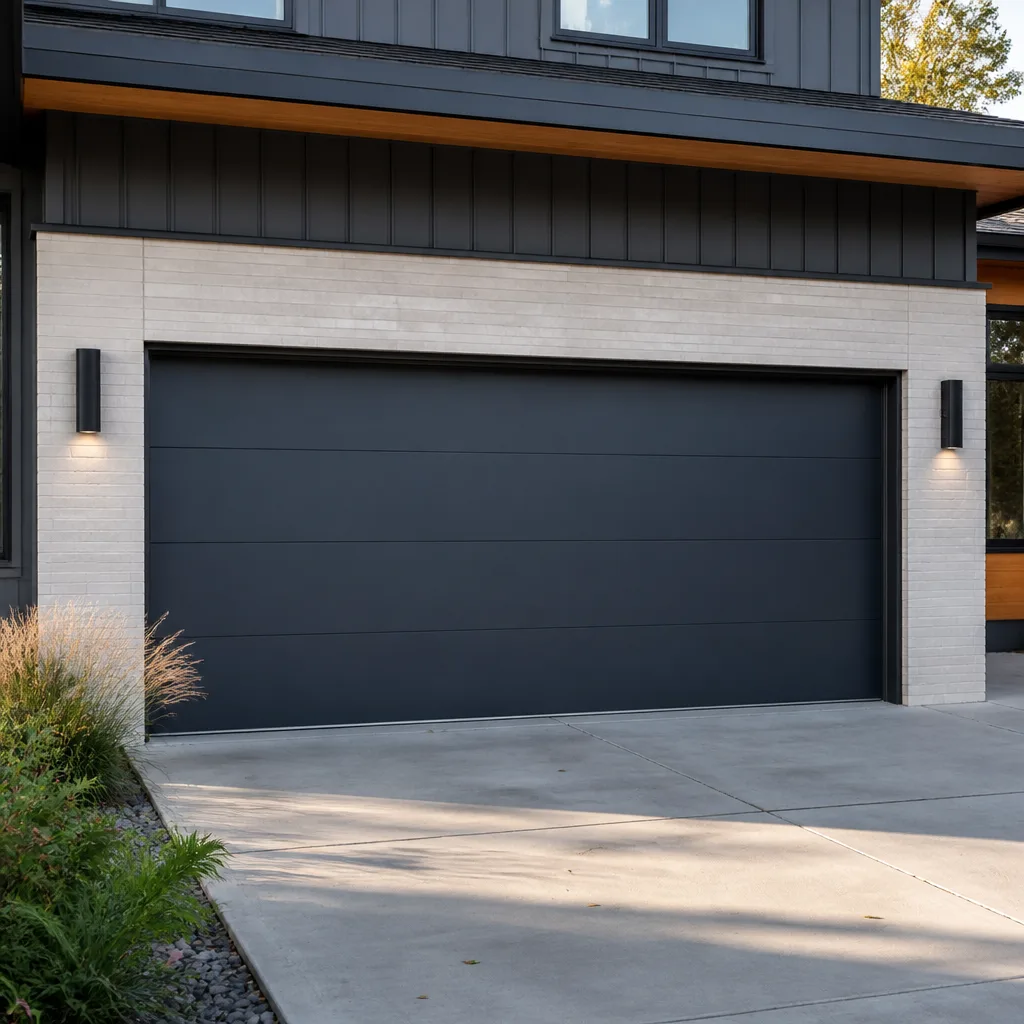 Modern flush
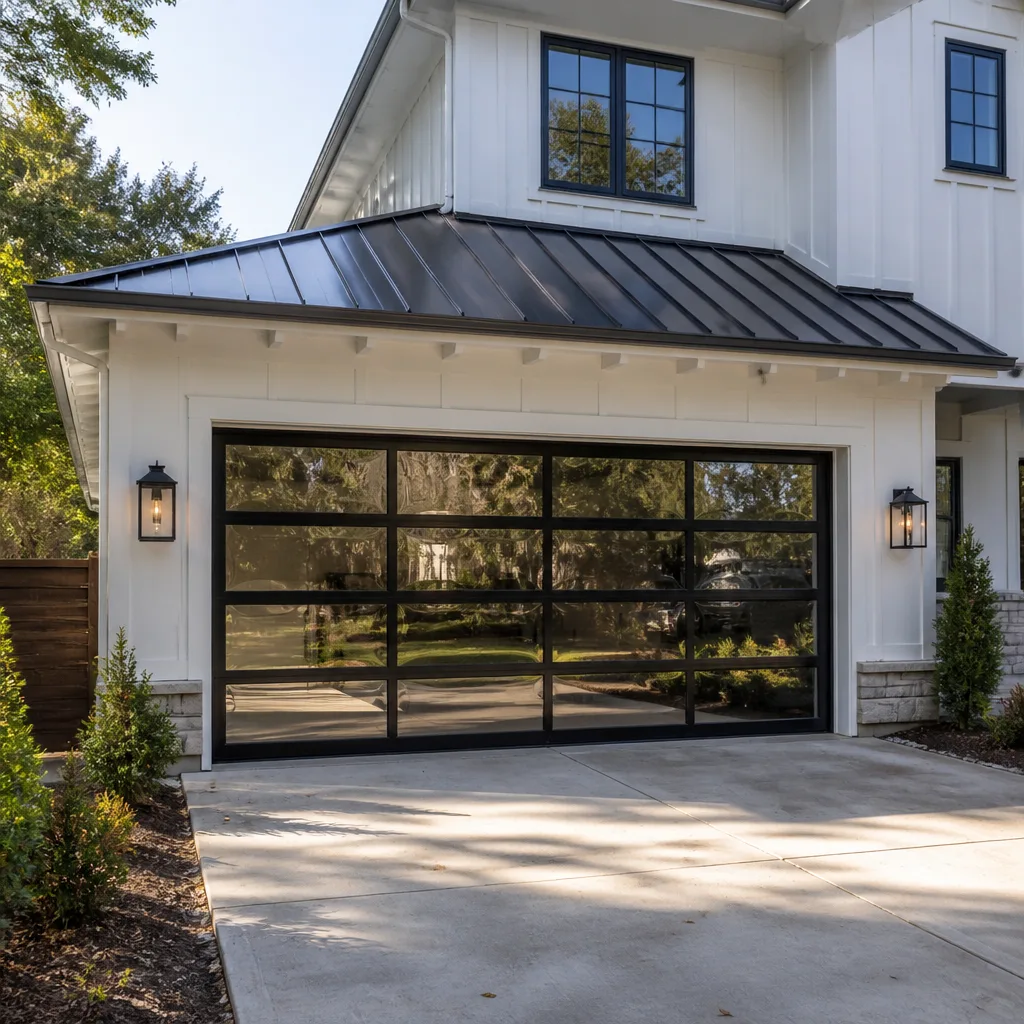 Full-view glass
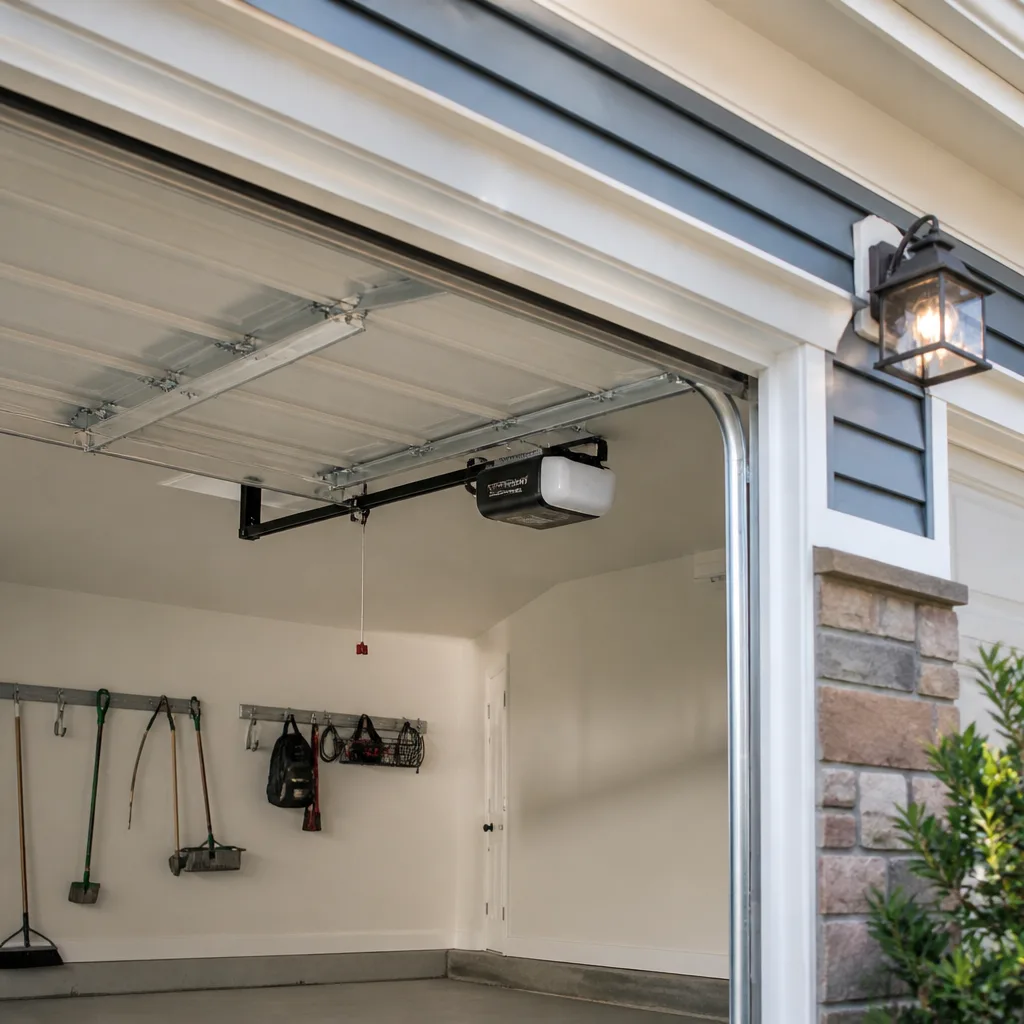 LiftMaster openers
 Chamberlain openers
Full 25-point door and opener safety check with every visit - springs, cables, rollers, tracks, and your LiftMaster or Chamberlain opener included
You get a price before we start. It does not change when the pro arrives.
Get your free estimateSeasonal Garage Door Care for Hampden: Year-Round Homeowner’s Guide
Most seasonal garage door advice is written for a climate that doesn’t exist here. It warns about summer heat and heavy snowfall, when the real damage in Hampden happens in February, when the temperature can climb toward 60°F and then drop into single digits within 48 hours. That swing is what snaps torsion springs and tears weatherstripping loose. Not July sun. Not January snow. This guide reorganizes seasonal care around what Hampden weather actually does, month by month, so you’re inspecting the right parts before the season that breaks them arrives. You’ll get a task calendar, material recommendations, and a clear line between what you can check yourself and what needs a trained technician.
Quick Answer
Garage door care in Hampden should follow the local climate pattern, not the calendar’s four seasons. The two highest-risk windows are late winter and early spring, when rapid temperature swings stress torsion springs and weatherstripping, and late fall, when freeze cycles lock up seals and change how your door’s weight loads the opener. Focus your inspection and maintenance effort before those two windows, use UV-stable lubricants and seals for the high-altitude sun, and leave spring work to a specialist.
Styles & brands we work with
- Raised-panel steel
- Carriage house
- Modern flush
- Full-view glass
- LiftMaster openers
- Chamberlain openers
Table of Contents
- Why Hampden’s Climate Breaks the Standard Seasonal Rules
- Late Winter and Early Spring: Your Highest-Risk Window
- Summer in Hampden: UV Exposure and What It Does to Seals
- Fall Prep: Weatherstripping and Bottom Seals Before the Freeze
- Winter Operation: Opener Force Limits and Frozen Doors
- Month-by-Month Task Calendar for Hampden
- What You Can Check Yourself and What You Can’t
- Common Mistakes to Avoid
Why Hampden’s Climate Breaks the Standard Seasonal Rules
Hampden sits at an elevation where the air is thin, the sun is intense, and the weather swings hard and fast. The standard advice you’ll find online assumes a gradual seasonal curve: warm up slowly in spring, cool down slowly in fall. That’s not how it works here. The transition periods are compressed and violent. A February warm spell can push temperatures toward the 60s, then a front moves through and you’re back in single digits two days later.
That matters for your garage door because the components that fail are the ones that respond to thermal expansion and contraction. Steel panels, torsion springs, and rubber seals all move with temperature. When they move fast and repeatedly, they fatigue. In Hampden, the fatigue cycle concentrates in late winter and early spring, not summer.
Three local factors shape the seasonal care calendar:
- Temperature whiplash in late winter. Rapid freeze-thaw cycling stresses torsion springs and the seals around the door perimeter more than any single cold snap.
- High-altitude solar exposure in summer. UV intensity at Hampden’s elevation degrades rubber seals and breaks down ordinary lubricants faster than at lower elevations. Not a coastal corrosion problem. A sun problem.
- Early and repeated fall freezes. Freeze cycles start before many homeowners think about winter prep, and frozen weatherstripping changes door weight in ways that strain your opener.
Each of these calls for different materials and inspection timing. A UV-resistant EPDM seal handles Hampden’s summer differently than a basic foam or vinyl seal. A lithium-based lubricant holds up under temperature swings better than a light spray. We work on doors from Clopay, Amarr, and Wayne Dalton across the Hampden area, and the wear patterns are consistent with the climate, not the brand.
Late Winter and Early Spring: Your Highest-Risk Window
The most dangerous period for your garage door in Hampden is late February through mid-April. Not the coldest weeks of January. The swing period, when the door’s steel and springs cycle through expansion and contraction dozens of times as temperatures move between the 50s and single digits. Torsion springs, which hold the full weight of the door under constant tension, are the component most likely to fail.
A torsion spring near the end of its cycle can fail without warning. The audible snap is the spring releasing stored energy at once. This is why spring repair is a specialized job: the forces involved can cause serious injury, and no homeowner should attempt to wind, unwind, or replace a torsion spring. If you suspect a spring is failing, stop using the door and call a trained technician.
Before the late-winter swing, inspect and address these items:
- Listen to the door cycle. A single sharp pop or bang at the moment the door starts to lift can signal a failing spring. Two pops often mean two springs at end of life.
- Check the balance. Disconnect the opener (pull the release cord) and lift the door halfway by hand. A balanced door should stay put. If it slams down or won’t hold, the spring tension has shifted.
- Look at the spring coils. A visible gap in the coil or a stretched, uneven spring is a sign it’s worn. Don’t touch it. Note it and call.
- Check weatherstripping along the bottom and sides. Cracked or hardened seals that survived winter are more likely to tear when the door expands in a warm spell.
- Clear the tracks of grit. Winter road grit gets tracked onto the door and into the tracks. Wipe the tracks clean with a damp cloth and dry them.
If a spring fails in Hampden in February, it’s not a wait-until-next-month problem. A door with a broken spring is heavy and dangerous to operate manually. The best answer is a specialist who can safely replace the spring and restore balanced operation. We supply parts directly, which means less waiting on a third-party order.
Summer in Hampden: UV Exposure and What It Does to Seals
Hampden’s summer threat isn’t heat. It’s sun. At this elevation, UV intensity is high, and the rubber and vinyl components on your door take more solar damage than the motion hardware. Bottom seals, side weatherstripping, and the rubber gaskets around windows degrade from UV exposure. When the rubber dries out and cracks, it stops sealing, and you lose the energy efficiency you’re paying for.
The material choice matters more than the frequency of replacement:
- EPDM rubber seals hold up better under UV than vinyl or basic foam. They resist cracking through summer and stay flexible into fall. Ask for EPDM when it’s time to replace.
- Lithium-based or white lithium grease is the better choice for hinges and rollers in Hampden’s climate. Ordinary silicone sprays evaporate faster under high-elevation sun. White lithium holds its film and doesn’t attract grit the way heavier greases do.
- Avoid WD-40 on hinges and rollers. It’s a solvent, not a long-term lubricant. It cleans, but it doesn’t protect the metal through a Hampden summer. Use an actual lubricant.
Summer is also the time to check the door’s finish. Steel doors from Clopay and Amarr have factory finishes that hold up well, but chips and dings let moisture in. Touch up bare metal with a matching paint before fall, when moisture and freeze cycles combine to accelerate rust. Check the bottom panel especially, where water pools on the threshold. A small rust spot in July can become a hole by next spring.
Lubricate hinges, rollers, and the torsion bar bearings once in early summer and once again after the first hard freeze. Use a lithium grease on the moving metal parts. Don’t lubricate the tracks. Clean them, but leave them dry. A lubricated track attracts dust, and dust in the track collects on the rollers and strains the opener. That’s a mistake we see often in Hampden, where summer dust is constant.
Fall Prep: Weatherstripping and Bottom Seals Before the Freeze
Fall prep in Hampden is about sealing the door’s perimeter before freeze cycles start, not after. Water that gets under a worn bottom seal freezes, expands, and forces the seal up or tears it. Once the freeze cycle is underway, moisture intrusion becomes a recurring problem. This is the argument for replacing a worn seal in October rather than discovering it in December.
Here’s the fall prep order we recommend:
- Inspect the bottom seal. Close the door and check for daylight under the threshold. Check the seal itself for flat spots, cracks, or missing sections. A seal that’s flatted out from summer sun needs replacement before the freeze.
- Check the side weatherstripping. Run your hand along the vertical sides. If the material is hard or won’t spring back, replace it. A hard seal that survives summer will crack in the first freeze.
- Examine the threshold. Look for cracks or gaps where water can pool. A cracked threshold lets moisture under the door, which is the root cause of frozen bottom seals.
- Test the auto-reverse safety feature. Place a 2×4 flat on the ground and close the door onto it. The door should reverse immediately. This test matters more before winter, when the opener’s force settings may need adjustment.
- Check opener force limits. This is the critical fall step. As weatherstripping hardens and the door’s weight changes in cold weather, the opener’s force settings may need adjustment. Check the manual for your opener’s settings, and if the door requires noticeably more force to close in cold weather, have the opener serviced.
Weatherstripping and bottom seals are among the least expensive parts of seasonal care. Replacing a worn bottom seal before November costs less than the moisture damage that follows a torn seal through a full freeze cycle. We supply these parts directly, so they’re available without waiting on an order.
Winter Operation: Opener Force Limits and Frozen Doors
Winter in Hampden is hard on openers in a specific way. When weatherstripping hardens in cold weather and the bottom seal stiffens, the door’s closing load increases. The opener’s force limit, set in warmer weather, may not be enough. The opener stalls, reverses, or the safety system trips constantly. The door never actually closes.
The fix is a proper force-limit adjustment or a weatherstripping replacement. It’s not a reason to disable the safety reverse, which is a common and dangerous shortcut. If your opener keeps reversing in cold weather, the safe answer is to have the opener’s force settings checked. A properly set opener handles the cold-weather load increase without compromising the safety reverse.
Winter operational tips specific to Hampden:
- Never force a frozen door open. If the bottom seal is frozen to the threshold, pulling harder can tear the seal or damage the opener’s drive system. Break the seal free with a gentle push from the inside, or wait for a thaw.
- Keep the tracks dry. Ice in the tracks will stop the door. Clean the tracks after a snow event and keep them free of grit and ice.
- Don’t change the opener force setting yourself in cold weather. It’s a safety adjustment. If your door is straining, call a technician so the setting is confirmed against a proper test.
- Watch for condensation inside the door panels. In a warm garage with a cold door, condensation forms on steel panels. If the door’s paint is chipped, condensation causes rust. Touch up chips before winter.
If your door has an opener from LiftMaster, Chamberlain, Genie, or Craftsman and it’s reversing in cold weather, that’s a common winter call for us. The answer is usually a combination of force adjustment and seal replacement, not an opener replacement. We’ll tell you which.
Month-by-Month Task Calendar for Hampden
This calendar is mapped to Hampden’s actual climate pattern. It doesn’t follow the textbook seasons.
- January: Monitor for opener reversing and frozen seals. Don’t force a frozen door. Keep tracks clear of ice and grit.
- February (early): Pre-spring inspection. Listen for spring pops, check door balance, inspect weatherstripping. This is the highest-risk month for spring failure.
- February (late) through March: The temperature whiplash window. Watch for spring failure. Have any cracked or worn seal replaced before summer.
- April: Post-winter cleanup. Clear tracks, touch up chips and rust spots, lubricate hinges and rollers with white lithium grease.
- May: Check the bottom seal for UV damage. Replace if cracked or flat. Check side weatherstripping for hardened or torn sections.
- June: Lubricate moving parts with white lithium grease. Check the door finish for chips that expose bare metal.
- July: Peak UV. Inspect EPDM seals for cracking. Test the auto-reverse safety feature.
- August: Touch up paint before fall. Check the threshold for cracks where water may pool.
- September: Fall prep begins. Inspect the bottom seal and side weatherstripping. Replace worn seals before the first freeze.
- October: Adjust opener force settings if needed. Test the auto-reverse again. Clear the threshold of water-pooling spots.
- November: Final seal and weatherstripping check before the freeze. Touch up any rust spots.
- December: Winter operation begins. Watch for frozen seals and opener strain. Don’t force a frozen door.
Not every door needs every task every year. Older doors and doors with original weatherstripping need more frequent attention. Newer doors from Clopay or Amarr with factory-fresh seals need less. The calendar is a starting point. The inspection is what tells you what’s actually needed.
What You Can Check Yourself and What You Can’t
Seasonal care breaks into two categories: things a homeowner can inspect safely, and things that require a trained technician. Knowing the line matters.
What you can do safely:
- Listen for noises during door cycles.
- Check door balance by disconnecting the opener and lifting by hand.
- Inspect weatherstripping and bottom seals visually and by feel.
- Clean tracks with a damp cloth.
- Lubricate hinges and rollers with white lithium grease.
- Test the auto-reverse safety feature with a 2×4.
- Touch up paint on chipped panels.
What requires a technician:
- Torsion spring replacement or adjustment (dangerous, high-tension).
- Opener force-limit adjustment.
- Track realignment.
- Panel replacement or structural repair.
- Cable replacement.
Springs and cables hold the door under tension. A torsion spring carries the full weight of the door, and a winding or unwinding error can cause serious injury. This is why spring repair is a specialized service, not a homeowner task. If your spring inspection turns up a problem, the safe answer is a call. The technician will inspect, quote the job, and confirm the price before any work begins. That’s the standard we hold to: the estimate is free, and the written quote sets the final price.
Common Mistakes to Avoid
- Waiting for the spring to break before inspecting. In Hampden, the spring is most vulnerable in late winter, and a failing spring often gives warning signs before it fails. Listen, check the balance, and inspect the coils before the February swing.
- Using WD-40 as a long-term lubricant. It’s a solvent, not a grease. It cleans, but it doesn’t protect the moving parts through a Hampden summer. Use white lithium grease on hinges and rollers.
- Replacing weatherstripping after the freeze, not before. A worn seal that goes into a freeze cycle tears. Replace it in September or October, not after the first hard freeze.
- Disabling the safety reverse to get the door to close in cold weather. This is a dangerous shortcut. The correct fix is a force-limit adjustment or a seal replacement, done by a technician.
- Forcing a frozen door open. It tears the seal and strains the opener. Break the seal free gently or wait for a thaw.
- Ignoring rust on the bottom panel. In Hampden, the bottom panel takes the most moisture from the threshold. A small rust spot in summer becomes panel damage by spring. Touch up chips before fall.
- Skipping the fall opener force check. As weatherstripping hardens, the opener’s force setting may need adjustment. Checking it in October prevents the cold-weather reversing that starts in December.
These aren’t abstract risks. They’re the calls we get most often from Hampden homeowners during the late-winter and early-fall windows. A little prep before each window handles most of them.
See the difference
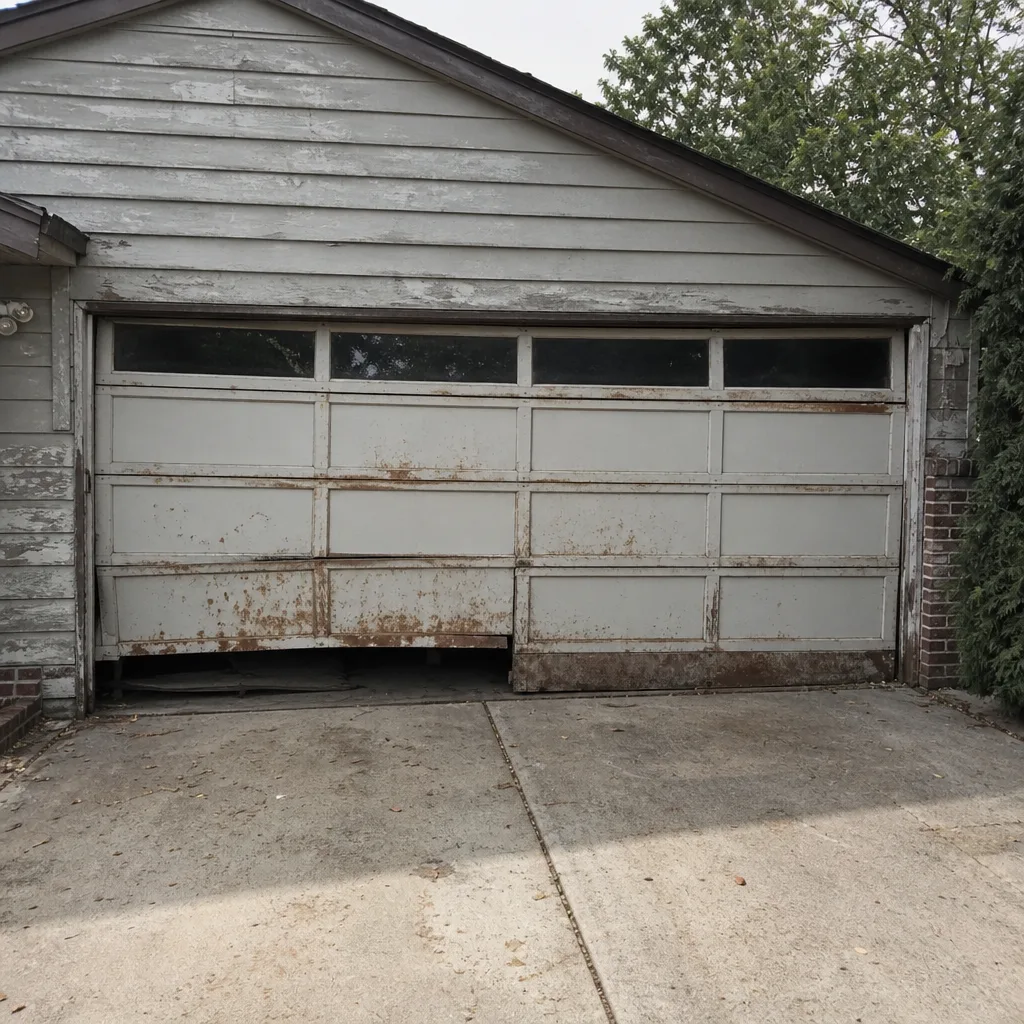 Before
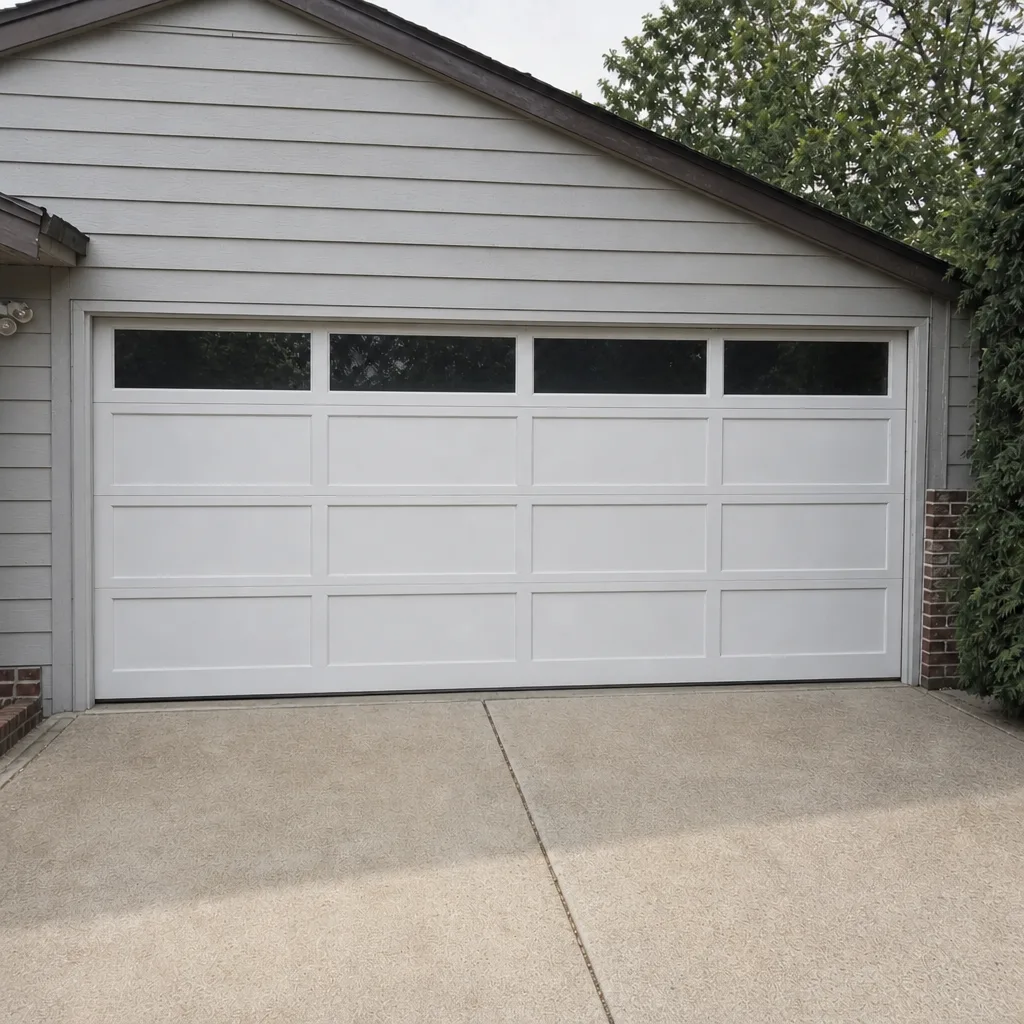 After
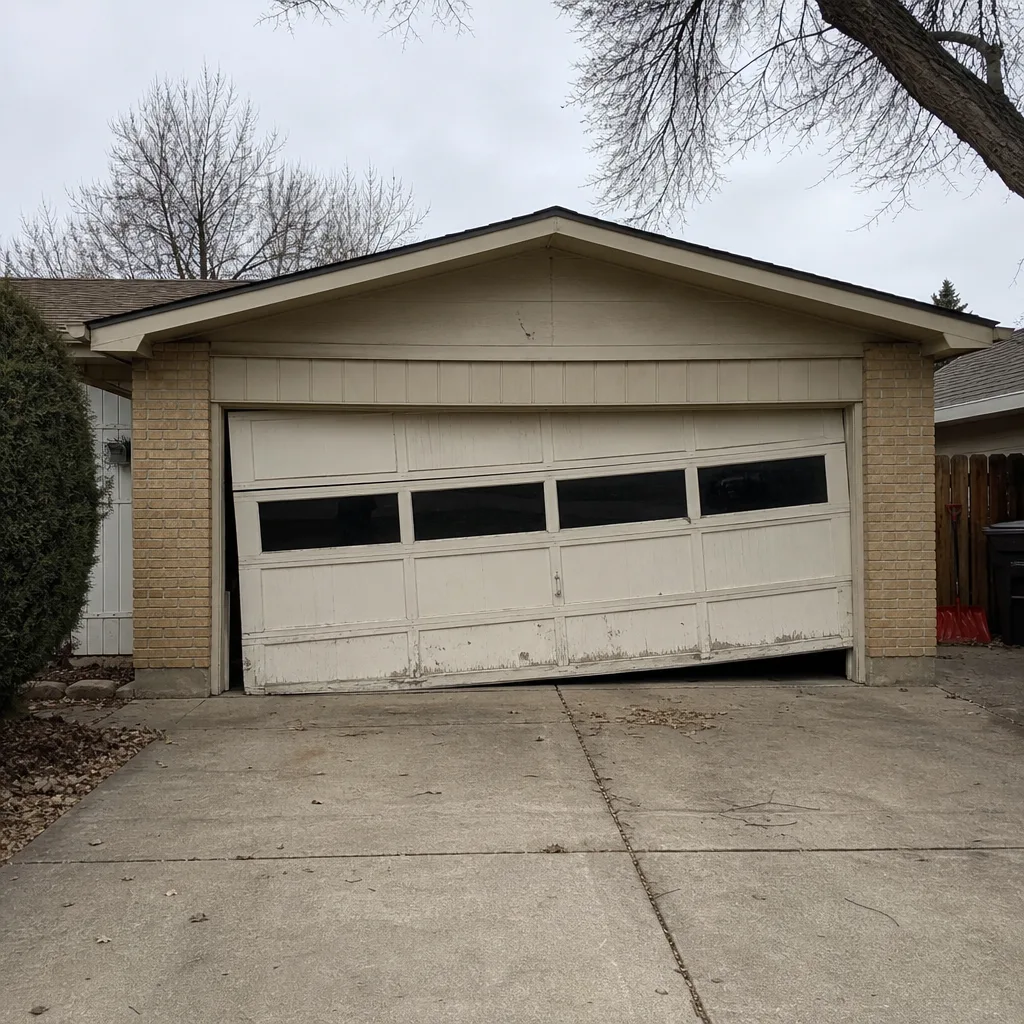 Before
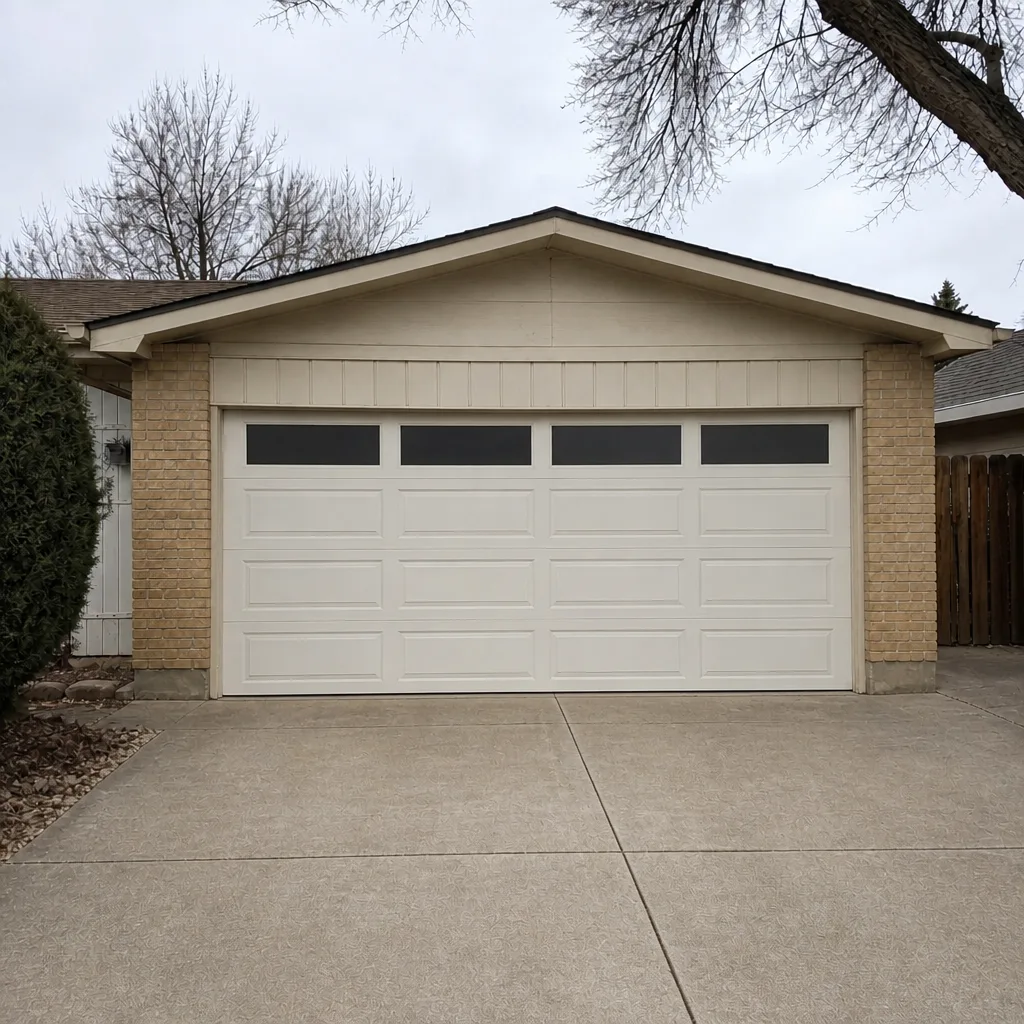 After
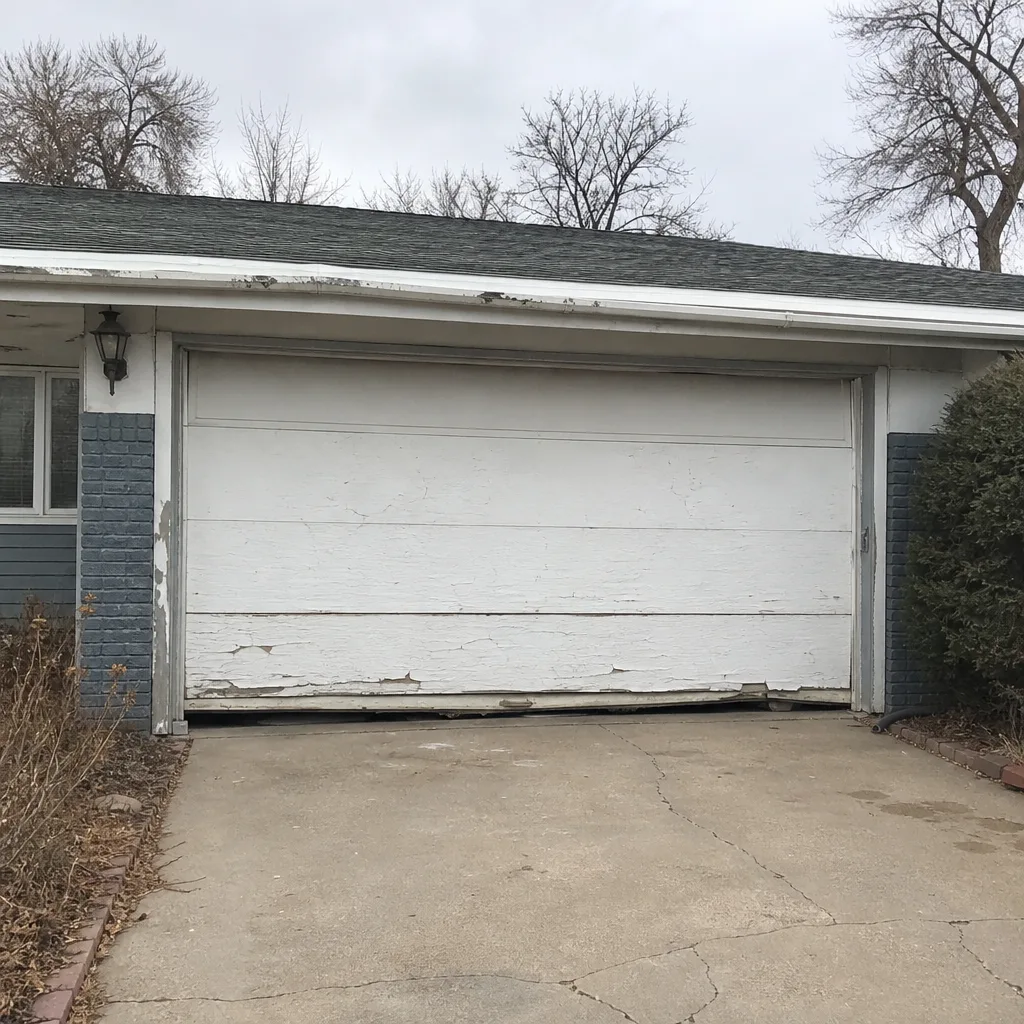 Before
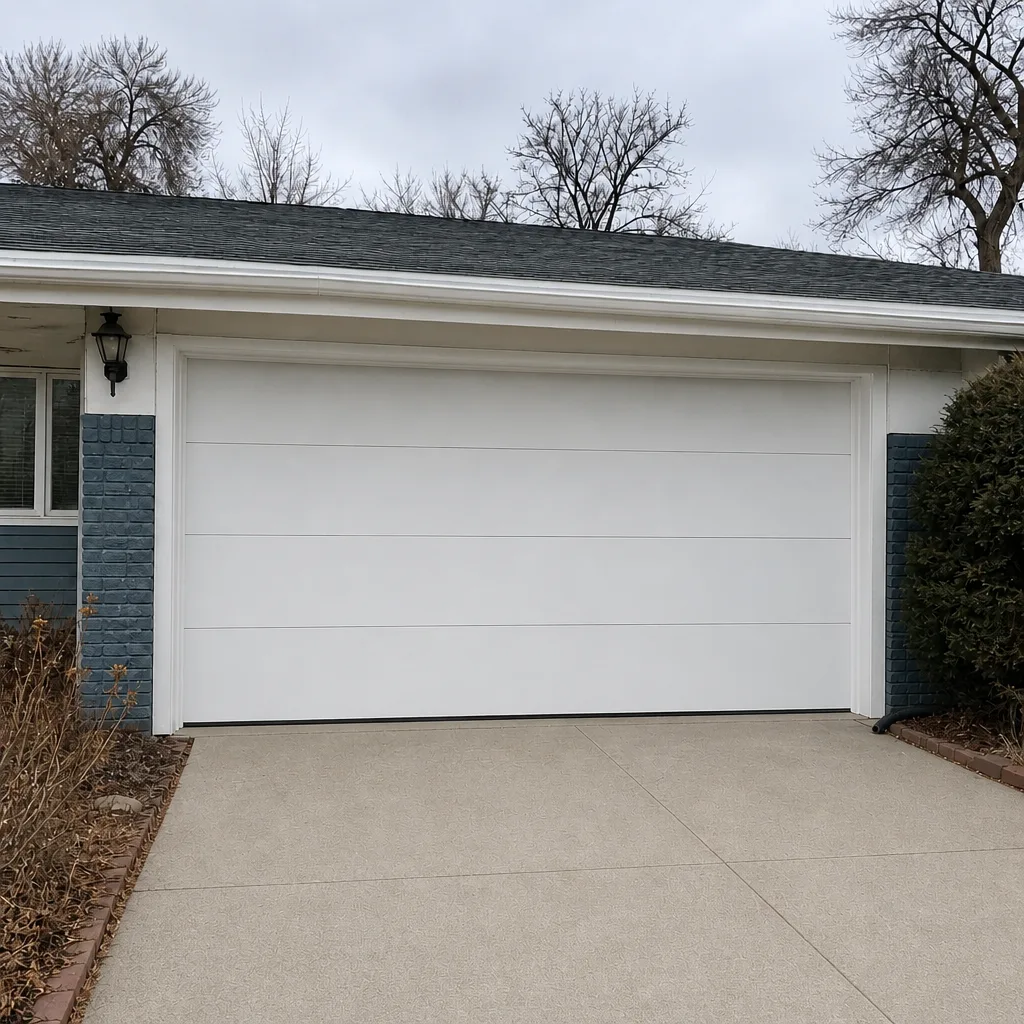 After
When to Call a Professional
Call a trained technician for anything involving a torsion spring, a cable, a track that’s out of alignment, an opener that keeps reversing, or a panel that’s damaged enough to be a safety issue. If you hear a sharp pop from the door, stop using it. If the door slams down when you disconnect the opener, the spring tension is wrong and it needs service. If the opener reverses in cold weather no matter how many times you reset it, that’s a force-limit problem. And if your seasonal inspection turns up seals or springs you’re unsure about, a trained eye is cheaper than the damage from guessing.
Hampden Garage Door Repair offers free estimates in Hampden. We work on the systems you already have, across LiftMaster, Chamberlain, Genie, Clopay, Amarr, Wayne Dalton, Craftsman, and Raynor, and we tell you honestly whether a component needs repair or replacement. Our technicians have up to 13 years of experience. Call (855) 490-5104. We answer 24/7. Fast dispatch from 7am to 7pm, Sunday through Friday.
Frequently Asked Questions
Late winter and early spring, roughly late February through mid-April, is the highest-risk window. The rapid temperature swings between the 50s and single digits cycle the spring through rapid expansion and contraction, which is harder on it than steady cold. Inspect the spring, listen for pops, and check door balance before that window, not after.
White lithium grease is the best choice for hinges and rollers in Hampden’s climate. It holds its film under high-altitude sun and temperature swings, and it doesn’t attract grit the way heavier greases do. Use it on hinges, rollers, and the torsion bar bearings. Don’t use WD-40 as a long-term lubricant, and don’t lubricate the tracks; clean them, but leave them dry.
Cold weather stiffens the weatherstripping and increases the door’s closing load, so the opener’s force limit may not be enough. The fix is a force-limit adjustment or a weatherstripping replacement, not a new opener. Don’t disable the safety reverse; have a technician check the settings.
Inspect the bottom seal every fall before the freeze cycle and replace it when it’s cracked, flat, or letting daylight through. UV exposure at Hampden’s elevation degrades seals, and a worn seal that goes into a freeze cycle tears from moisture expansion. EPDM rubber holds up better than vinyl or foam.
No. Torsion springs hold the full weight of the door under tension, and replacing one incorrectly can cause serious injury. Spring repair is a specialized job. If you suspect a spring is failing, stop using the door and call a trained technician.
Check the bottom seal for daylight and flat spots, inspect side weatherstripping for hardness, look for cracked thresholds where water pools, test the auto-reverse safety feature, and have the opener’s force limit checked. Replacing worn seals before the freeze is the single most effective step. Call (855) 490-5104 for a free estimate on seals or opener service.
The Bottom Line
Hampden’s seasons don’t follow the standard pattern, and your garage door care shouldn’t either. Treat late winter as your spring inspection window. Treat fall as your seal and weatherstripping window. Use UV-resistant materials for the summer sun. Check the opener’s force limit before the first freeze. And leave spring work to a specialist. The core message is simple: inspect before the season that breaks things, replace seals before the freeze, and call a technician for anything involving a spring, a cable, or the opener’s safety reverse. A little prep in the right month saves most of the problems the wrong month creates.
If your door needs service or you want a professional eye on a seasonal inspection, call Hampden Garage Door Repair at (855) 490-5104 for a free estimate. We answer 24/7. Fast dispatch from 7am to 7pm, Sunday through Friday.
Written by the team at Hampden Garage Door Repair.