
Last updated November 22, 2026
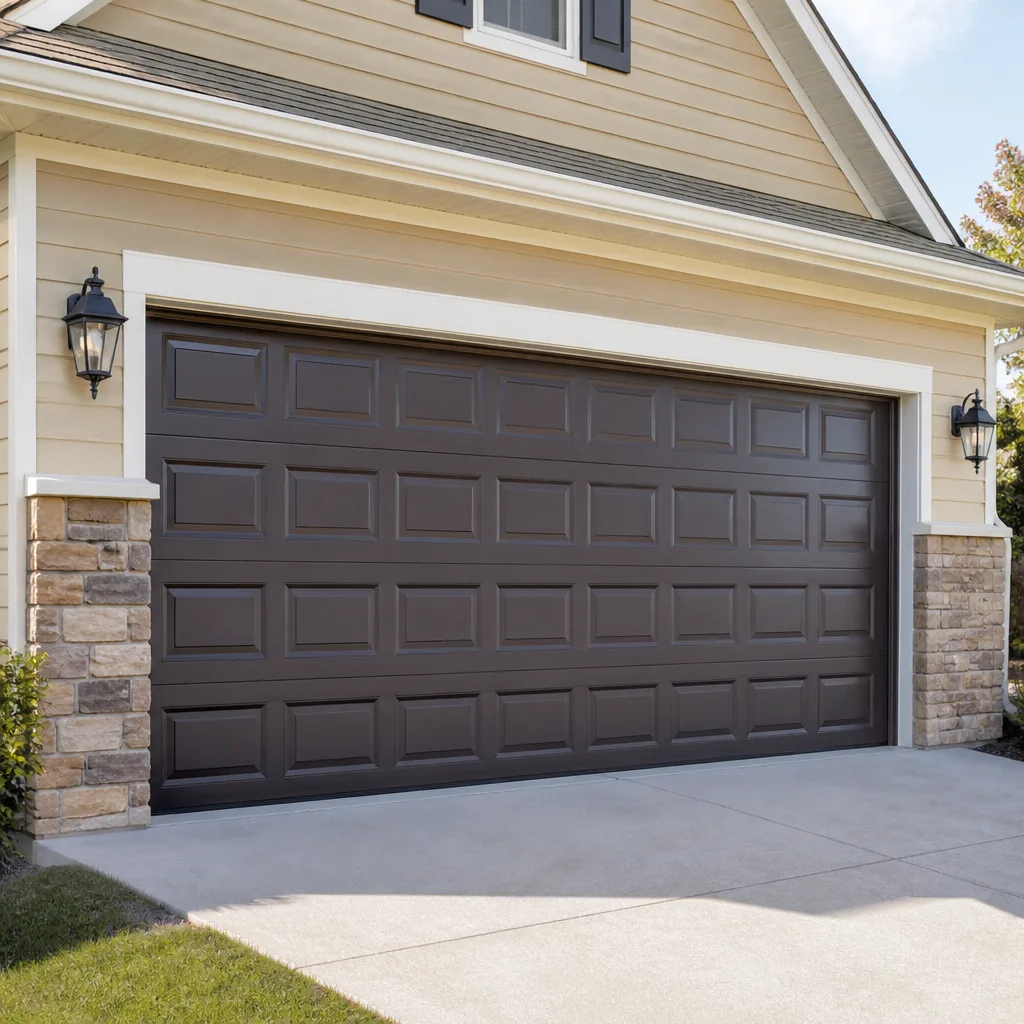 Raised-panel steel
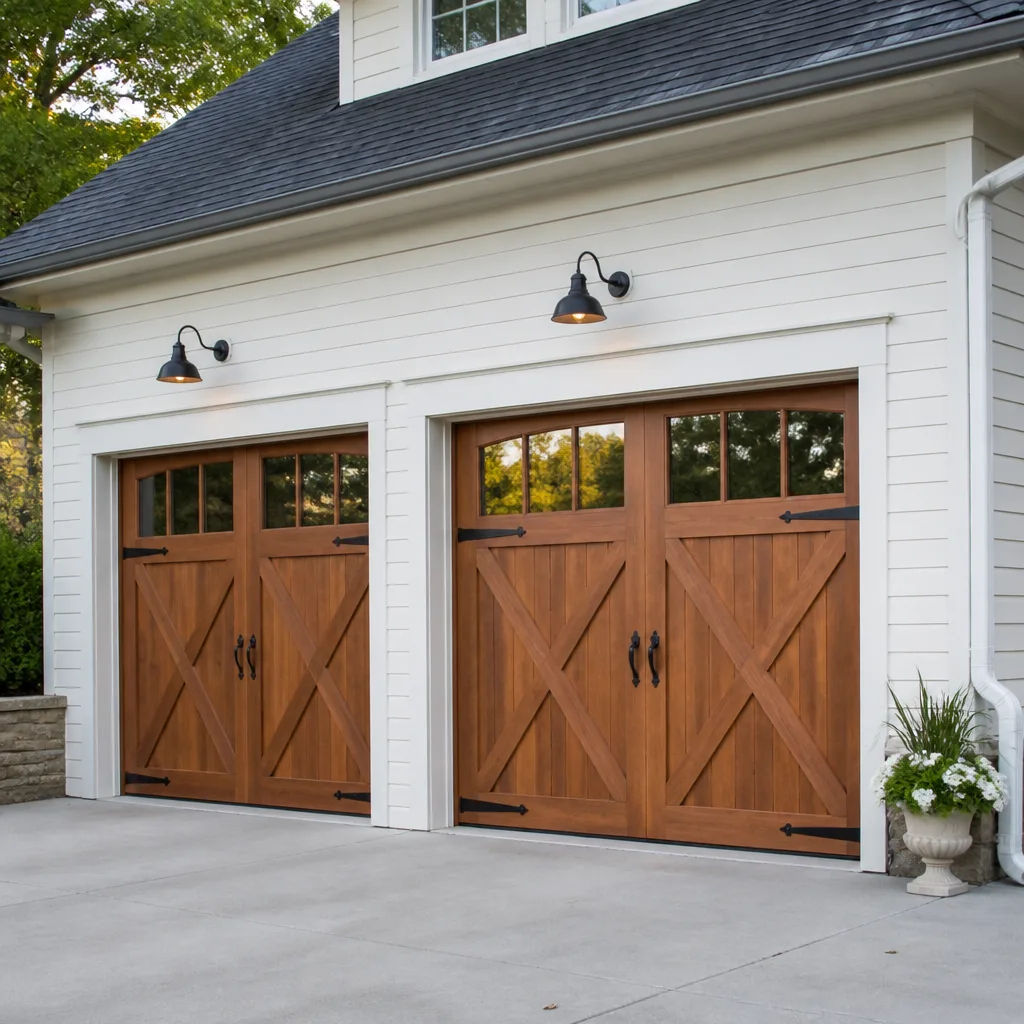 Carriage house
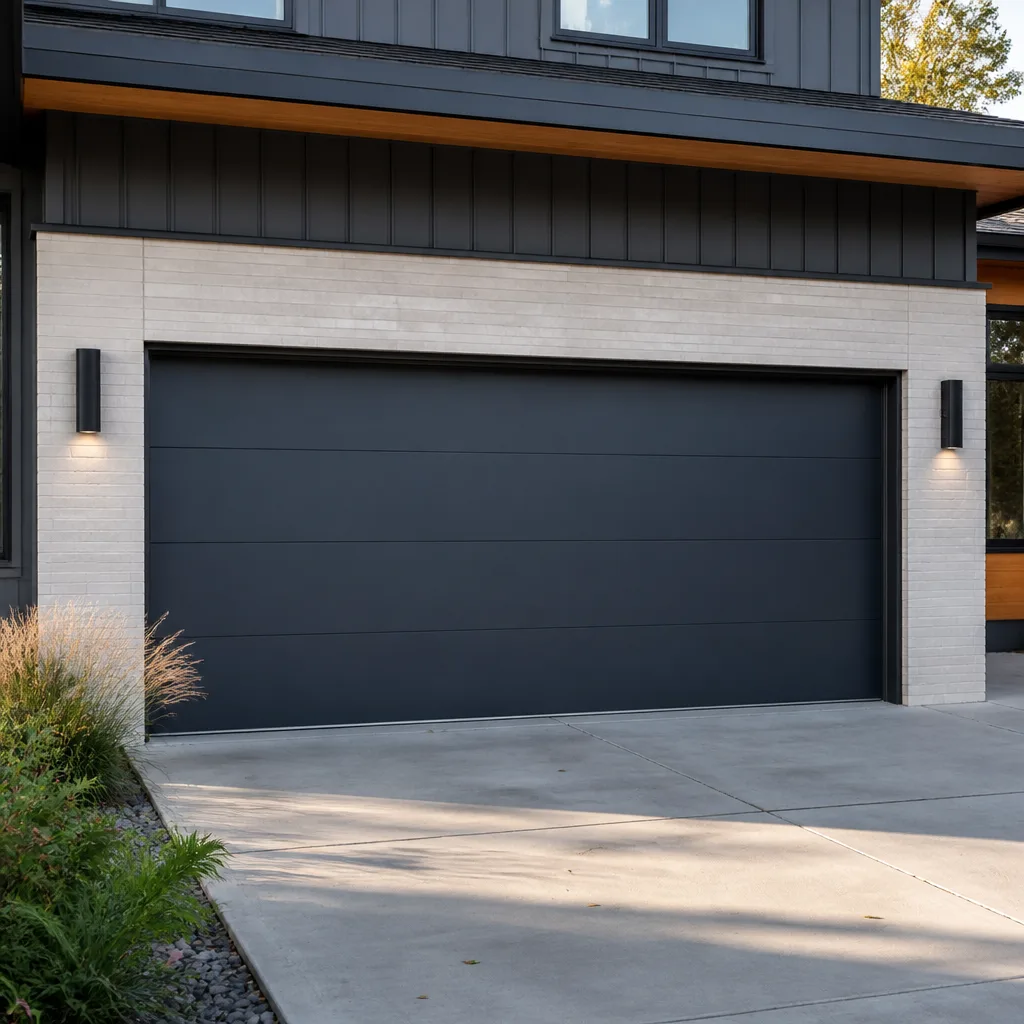 Modern flush
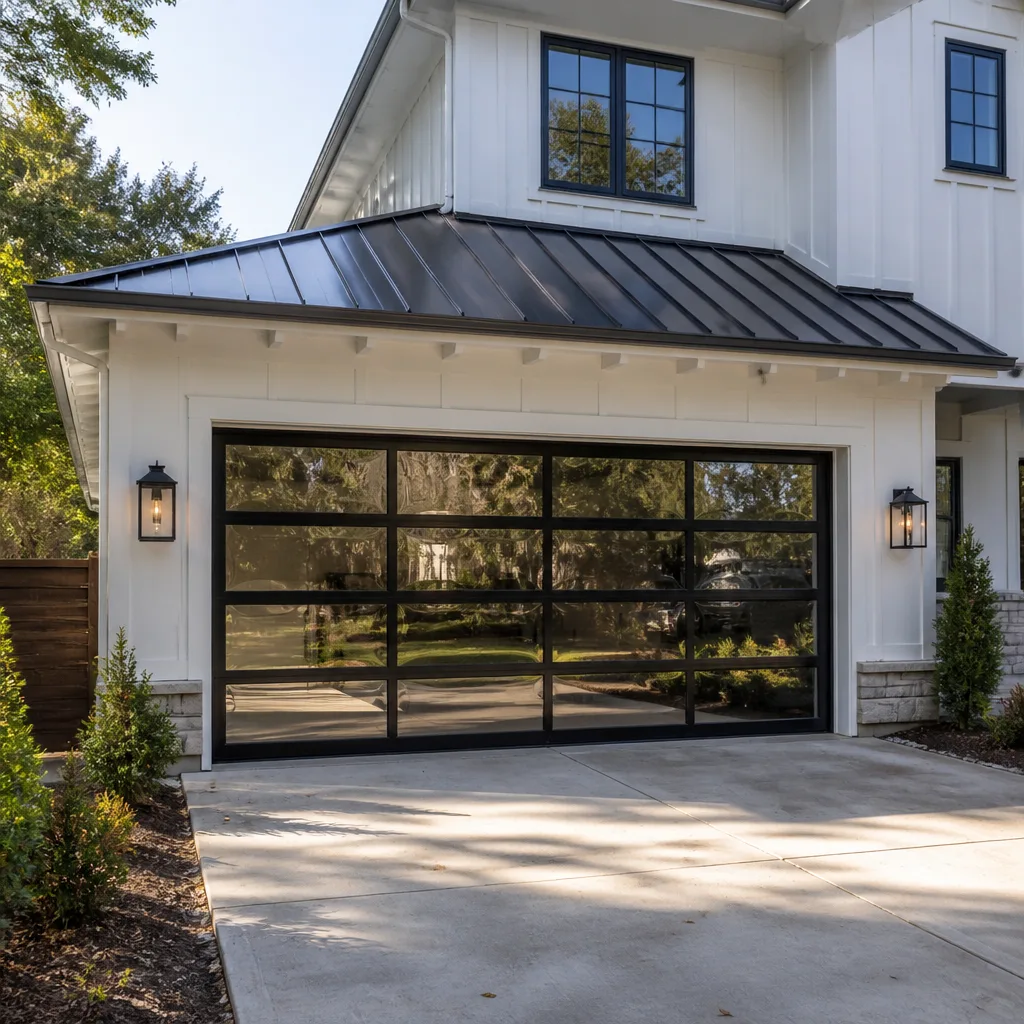 Full-view glass
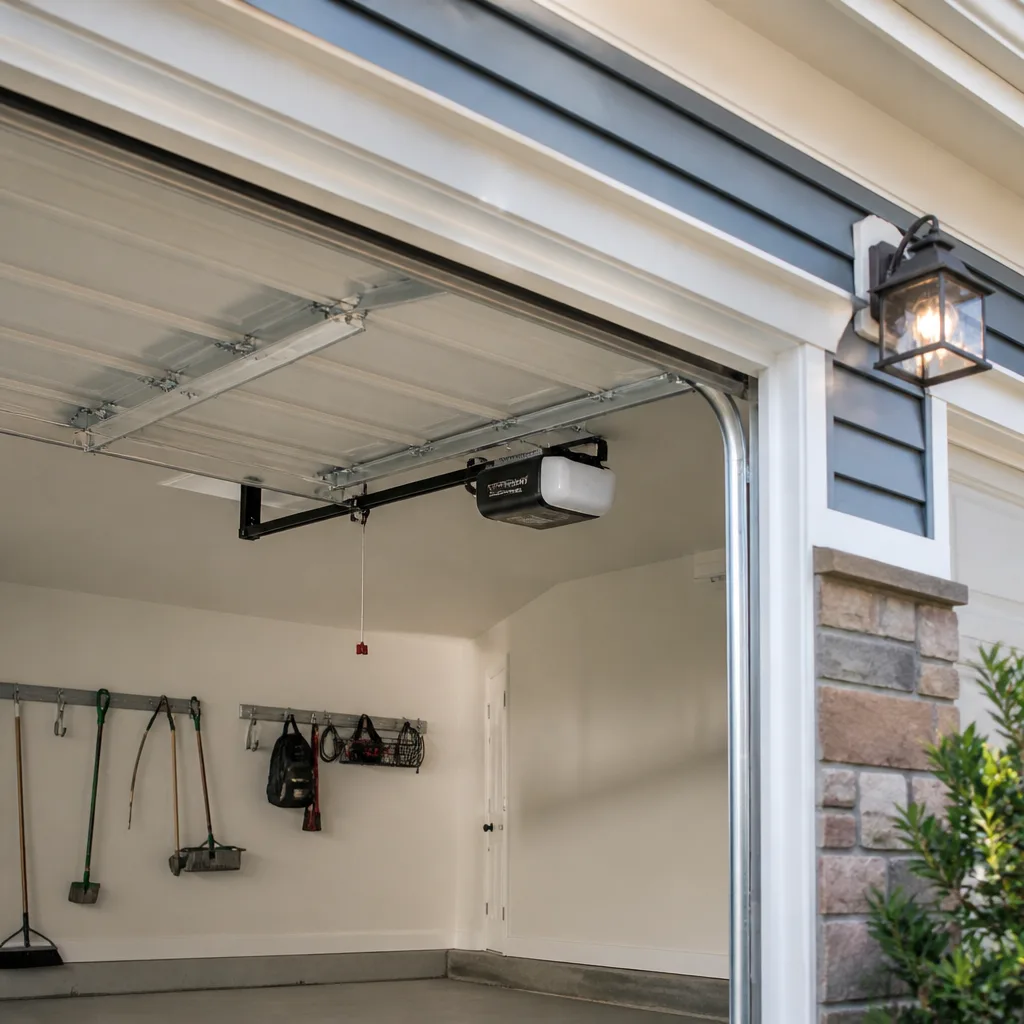 LiftMaster openers
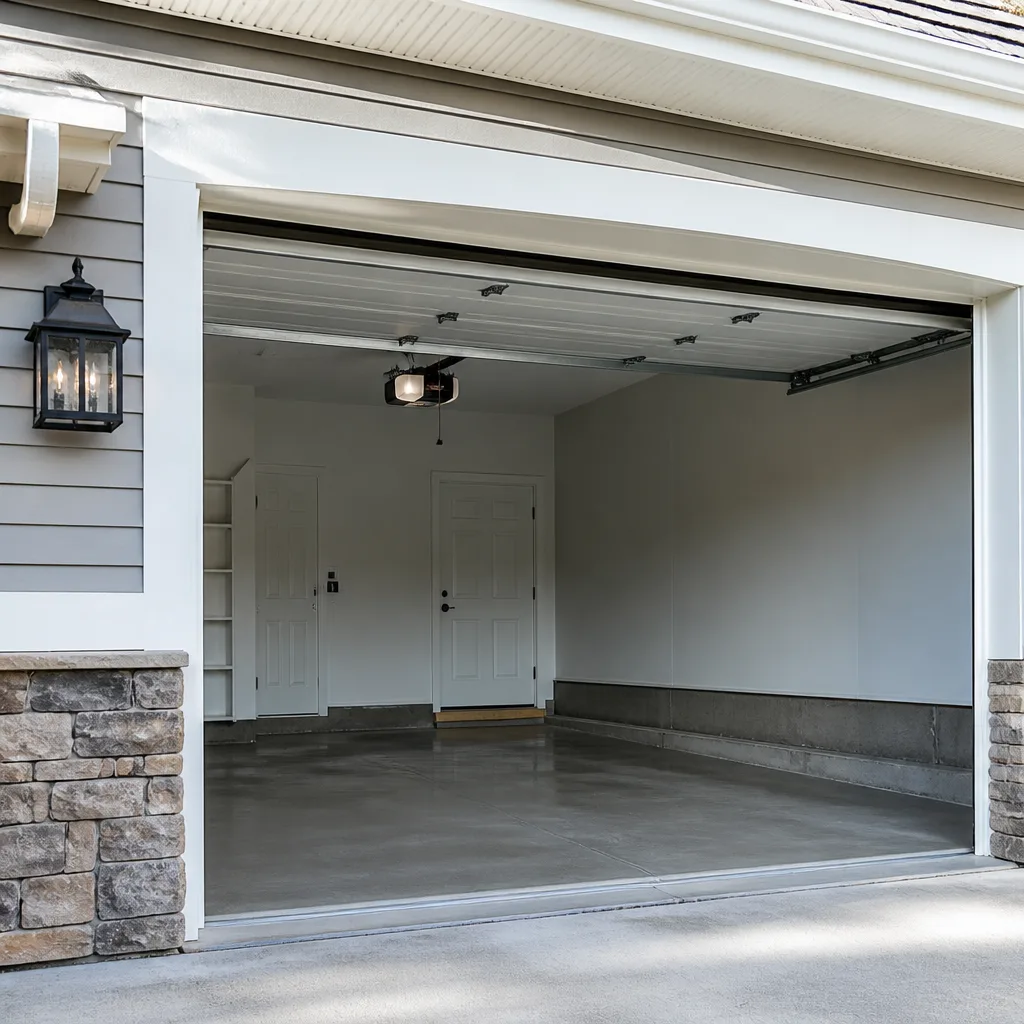 Chamberlain openers
Full 25-point door and opener safety check with every visit - springs, cables, rollers, tracks, and your LiftMaster or Chamberlain opener included
You get a price before we start. It does not change when the pro arrives.
Get your free estimateHow to Hire a Garage Door Contractor in Hampden: A Step-by-Step Guide
Colorado does not require a state license to work on garage doors. That means the difference between a qualified specialist and someone who watched a few videos is entirely on you to discover before you sign anything. Most homeowners assume there’s a license to check, a database to search, a stamp of approval that separates the pros from the pretenders. There isn’t. What separates them is what you ask, what you read, and what you refuse to accept. This guide walks you through the exact filter questions, the estimate line items that matter, and the quote-stage red flags that should end the conversation early. If you’re hiring in Hampden, the local market adds a few wrinkles of its own.
Quick Answer
To hire a garage door contractor in Hampden, verify insurance and bond coverage in writing, ask five specific questions that reveal whether the company is a true garage door specialist, insist on an itemized written estimate, and confirm who handles parts and warranty work. Because Colorado doesn’t license garage door work at the state level, those checks do the job a license check would do elsewhere. Ask about manufacturer certification for the brand you own, like Chamberlain, Genie, Clopay, or Amarr.
Styles & brands we work with
- Raised-panel steel
- Carriage house
- Modern flush
- Full-view glass
- LiftMaster openers
- Chamberlain openers
Table of Contents
- What Colorado’s Licensing Reality Means for You
- The Five Questions That Reveal a True Specialist
- Quote-Stage Red Flags in Hampden
- How to Read a Garage Door Estimate Line by Line
- Why Single-Source Coverage Beats the Blame Game
- Hampden Conditions That Affect Your Door
- Springs and Other Work You Should Never DIY
- Your Step-by-Step Hiring Checklist
What Colorado’s Licensing Reality Means for You
Colorado has no statewide licensing requirement for garage door contractors. There’s no license number to look up, no state exam a technician had to pass, no official classification for the trade. This surprises people who’ve hired electricians or plumbers, where licensing is standard. Garage door work sits outside that framework, which means the consumer protections you’d normally lean on have to come from somewhere else.
So what do you verify instead? Three things, and all of them are available from any legitimate company if you ask.
Insurance. General liability insurance covers damage to your home if something goes wrong – a door panel drops, a track pulls loose from the ceiling, a vehicle gets scratched. Ask for a certificate of insurance and read the dates on it. An expired cert tells you plenty.
Bonding. A surety bond backs the company’s commitment to finish the job or make you whole if they don’t. Some Hampden-area companies carry one, some don’t. Ask. A company that can’t tell you whether it’s bonded, or gets vague, isn’t one to hand a deposit to.
Manufacturer certification. This is the big one for garage doors specifically. Major manufacturers train and certify technicians on their equipment. LiftMaster, Chamberlain, Genie, and Clopay each run their own programs, and a certified technician has direct access to technical documentation and genuine parts channels. Certification also signals that the manufacturer trusts the company enough to stand behind the work.
What to ask, in plain terms: “Are you insured and bonded, can you send me the certificates, and are your technicians certified on the brand I own?” A specialist answers without hesitation. A generalist changes the subject. Hampden homeowners who run this one check early save themselves a lot of grief later, because the companies that pass it tend to be the same ones that pass everything else.
The Five Questions That Reveal a True Specialist
Once the paperwork checks out, the real interview begins. These five questions cut through marketing language and expose whether you’re talking to a garage door specialist or a handyman with a truck and an open schedule. In our experience, the answers matter more than the brochure.
- “What brands do you work on regularly?” A specialist names specific manufacturers – LiftMaster, Chamberlain, Genie, Clopay, Amarr, Wayne Dalton, Craftsman, Raynor – and can tell you the differences between them. A generalist says “all of them” and can’t explain what makes a Clopay door different from a Wayne Dalton.
- “Do you do spring repair yourselves?” Torsion and extension springs are the most dangerous component on any door. Plenty of generalists subcontract spring work or decline it entirely. A company that offers spring repair as a core service has the tools, the winding bars, and the trained hands for it.
- “Do you stock parts, or do you order them?” If every repair begins with a two-week order from a supplier, you’re looking at a company that doesn’t do this often. A specialist supplies parts directly so a straightforward repair doesn’t stretch across multiple visits.
- “Can you handle the opener too, or just the door?” Doors and openers are separate systems with separate failure modes. A full-service contractor covers both, plus the programming and safety-reversal testing that openers require.
- “If my door needs replacement later, would you do that install too?” The answer tells you whether you’re building a relationship with one contractor or juggling several at different stages of your door’s life.
None of these questions require the company to badmouth anyone. They’re simple filters. Hampden has its share of capable specialists and its share of seasonal operators who appear when weather turns rough. These five answers sort one from the other quickly.
Quote-Stage Red Flags in Hampden
Most bad hiring decisions happen at the quote stage, before any work begins. The warning signs show up in the first conversation, and they’re worth taking seriously. A low number isn’t automatically good news.
Spring prices that seem too low. Spring replacement involves genuine risk and real material cost, and a matched pair costs roughly twice what a single spring does. When a quote for spring work lands well under what other Hampden companies have written, ask what’s included: one spring or two, what cycle rating, what warranty. Sometimes the low price is a single spring on a door that needs a pair. Sometimes the spring is a low-cycle import that fails early. Either way, the cheap number explains itself once you ask.
Refusal to itemize labor. If a quote is one lump sum with no breakdown, you can’t compare it to anything. Ask for labor and parts separated. A company confident in its pricing has no reason to hide the split.
A full replacement pushed on a repairable door. Replacement is sometimes the right call – a door with structural panel damage, or one at the end of a long service life. But a specialist will explain why, and a good one will tell you honestly whether to repair or replace. When the first response to a broken opener or a bent track is a full-door quote, get a second opinion.
Pressure to decide on the spot. A written estimate should leave with you so you can read it. A company that needs a signature today to “hold the price” is selling, not diagnosing.
No written estimate at all. Verbal numbers mean nothing on a warranty claim. Any repair work should start from a quote you’ve read and agreed to before anything is touched – that’s the whole point of getting it in writing.
If you’re in Hampden and something feels off about a quote, the honest move is to ask the questions and see how they land. Pushback from a specialist is a conversation. Pushback from a generalist is a sales tactic.
How to Read a Garage Door Estimate Line by Line
A garage door estimate should read like a short, specific document. If it’s a single figure on a business card, that’s not an estimate – that’s a guess you’re being asked to accept. Here’s what belongs in a proper written estimate, and what doesn’t.
What should be itemized
- Parts and hardware with brand names where they apply – springs, cables, rollers, hinges, track, brackets, opener models. Model numbers help, especially on opener work.
- Labor as a separate line, with an indication of scope. Spring replacement on a double door is a different job than changing four rollers.
- Opener specifics if the door hardware and opener are being addressed together, including whether safety-reversal testing and remote programming are part of the job.
- Disposal if the old door or opener is being removed and hauled away.
- Warranty terms, in writing – what’s covered, for how long, and whether labor is part of it.
What shouldn’t be bundled without explanation
Some estimates arrive with services pre-grouped: a “tune-up package,” a “safety package,” an “annual maintenance plan.” None of those are automatically wrong, but each one should be broken down so you can see what’s inside. If you only asked for a spring replacement and the quote includes a full hardware rebuild, ask why. The answer should be a specific condition the technician found – worn rollers, a frayed cable, a door track that’s come loose – not a general recommendation.
The single most important line on any estimate is the total. That number should be agreed before work starts. The written estimate is the price, and a reputable company holds to it. If additional problems surface mid-job, the work stops and you get a revised quote before anyone proceeds. That’s standard practice on a job like this, and it protects both sides.
Keep the estimate. If you have a warranty claim later, that document is the record of what was sold, what was installed, and what was promised.
Why Single-Source Coverage Beats the Blame Game
Garage doors have a warranty problem that few homeowners think about until they hit it. Suppose the opener fails after a repair. Suppose the spring breaks weeks after the door was serviced. If the company that did the repair doesn’t install the brand that made the opener, and the door manufacturer only covers the door, and the opener manufacturer only covers the opener, you’re the one in the middle, holding a phone and repeating the story.
Single-source coverage removes that. When one contractor handles parts, labor, and opener programming, there’s one number to call and one company responsible for the outcome. That’s the practical reason we work the way we do at Hampden Garage Door Repair – parts supplied directly, door and opener under the same roof. It isn’t a slogan; it’s how warranty claims actually get resolved.
The parts question matters here too. Companies that order every part from a third-party supplier have no control over what arrives – a remanufactured spring, a gray-market opener, a roller that isn’t the spec the door needs. Companies that supply parts directly can stand behind the material. Ask any contractor you’re considering: “If a part fails inside the warranty, who replaces it and who pays for the labor?” Listen for a direct answer. If the response involves the manufacturer as the sole responsible party, that’s your answer too.
In our experience, the blame game is almost always avoidable at the hiring stage. It’s a symptom of a job split across multiple contractors. One contractor from repair through eventual replacement closes the loop. That includes the moment a door reaches the end of its service life and replacement becomes the honest recommendation – a company that already services the door and knows its history can make that call without a sales pitch. If you’re thinking ahead to that point, it’s worth understanding what garage door installation involves before the decision arrives.
Hampden Conditions That Affect Your Door
Garage doors in Hampden face a specific set of pressures that a coastal or desert installer might not anticipate. Something as simple as how many freeze-thaw cycles a door goes through changes what wears first and what a proper repair should include. Understanding this helps you evaluate whether a contractor is accounting for local conditions or quoting from a generic checklist.
Temperature swings. Front Range freeze-thaw cycles work on metal and wood the same way they work on pavement. Tracks shift, fasteners loosen, and panels that fit cleanly in summer can bind in winter. A contractor who’s worked in Hampden knows to check track alignment and torque on the brackets, not just the spring.
Wind. The Front Range gets real wind, and a garage door is a big flat surface that catches all of it. Doors in exposed locations take more strain on the panels, hinges, and tracks than a sheltered door. When you’re hiring, ask whether the assessment will include an inspection of how the door handles wind load, particularly if you’ve noticed the door flexing or rattling.
Dry air. Low humidity here means wood doors and wood trim shrink and crack, and a door that was sealed last season can develop gaps. This is a maintenance item more than a repair, but it’s the kind of thing a local specialist will flag and a generalist won’t.
Altitude. Openers are electric motors and they run at elevation like everything else. That doesn’t usually change purchasing decisions, but it’s one of those details that tells you a technician has been working here.
Hampden’s mix of older residential stock and newer builds also means the door population is split between original units from decades ago and newer installations. Both age well if serviced, both get expensive if neglected. When you call a contractor, ask how they handle older doors – a company that services Craftsman and Genie systems from older installs as comfortably as it services new Clopay or Amarr units will be ready for either.
Springs and Other Work You Should Never DIY
Torsion springs store an enormous amount of energy. When one is under tension, releasing that energy incorrectly can break bones, and the risk isn’t modest – it’s the reason spring work is one of the few garage door jobs that even experienced technicians won’t rush. If you’re reading this because you’re considering replacing a spring yourself, stop. The tools alone – proper winding bars, not screwdrivers – tell you this isn’t a homeowner job.
Here’s how a spring repair typically goes when a specialist handles it. The technician confirms the door is fully closed and the opener is disconnected. The springs are wound down safely using the right equipment, the door is secured, and the old springs are removed. New springs are installed, tension is set correctly for the door’s weight, and the balance is tested by hand with the opener disengaged. Finally, the opener is reconnected and the safety reverse is tested. That sequence is not optional and not something you shortcut.
The same caution applies to a few other components.
- Cables. Under the same tension as the springs, and equally dangerous if they snap during handling. Cable damage is a call-a-professional situation.
- Track and bracket work. Unless the door is fully secured and the springs are unwound, track adjustments can shift loads unexpectedly.
- Electrical work on openers. Openers run on household current, and hardwiring or troubleshooting the electrical side should go to someone qualified. A regular garage door repair visit covers the mechanical side and the opener mechanics; electrical panel and wiring work is not a garage door job.
Everything else – rollers, hinges, weather seal, opener remotes, and photo-eye alignment – is safer to inspect. You can look, listen, and note what seems off. You can watch the door open and close and see whether it stutters, jerks, or reverses unexpectedly. That information helps a technician diagnose the problem faster when you call. It doesn’t require you to touch anything dangerous. For issues specific to the motor and controls, garage door opener repair is a distinct service from the door hardware, and worth asking about separately.
Your Step-by-Step Hiring Checklist
Here’s the full sequence in one place. Run it in order and you’ll have filtered out 90% of the companies worth filtering out before any work is quoted.
- Ask for proof of insurance and bond coverage. Request certificates, check the dates, and confirm the coverage matches the work you’re hiring for. This is your substitute for a state license check in Colorado.
- Ask the five specialist questions. Brands they work on, whether they do spring repair, whether they stock parts, whether they handle openers, and whether they’d install later. You’re listening for specifics.
- Request a written, itemized estimate. Parts, labor, disposal, and warranty terms spelled out. No lump sums without a breakdown.
- Read the estimate for bundling. Anything outside the scope you originally asked for should come with a reason based on a condition the technician observed.
- Confirm the price in writing before work begins. The written estimate is what you pay. If the scope changes, the work stops and a revised quote comes before anything continues.
- Ask about warranty coverage on labor and parts separately. The answer tells you whether the company is standing behind the job or just the box the part came in.
- Keep every document. The estimate, the invoice, and the warranty terms. These become your record on any future claim.
Our technicians have up to 13 years of experience, and the questions above are the ones we hear from careful homeowners all the time. We think they’re the right ones to ask.
Common Mistakes to Avoid
- Assuming a license is out there to check. Colorado doesn’t require one for garage door work. Waiting for a license number that won’t appear means you skip the checks that actually protect you.
- Taking the lowest spring quote. Spring work has real material cost and real risk. When the number looks dramatically lower than the rest, ask what’s included – one spring or two, what cycle rating, what warranty. The answer explains the price.
- Accepting a lump-sum estimate. A single number with no parts and labor breakdown can’t be compared or used on a warranty claim. More importantly, it tells you the company isn’t confident enough in its pricing to show the split.
- Saying yes to full replacement without a repair quote. A repairable door pushed toward replacement is the most expensive mistake in this guide. Get a second opinion if the first answer is “replace it.”
- Ignoring the parts question. If every repair starts with a supplier order, you’re looking at multiple visits and no real control over what arrives. Ask whether the company supplies parts directly.
- Signing before the price is confirmed in writing. The written estimate sets the price. A company that won’t put that in writing is telling you something.
- Overlooking opener brand coverage. If you have a Chamberlain or Genie opener and the contractor you hire doesn’t work on those brands, you’ll end up calling someone else the moment the motor acts up. Ask about your specific brand before hiring.
See the difference
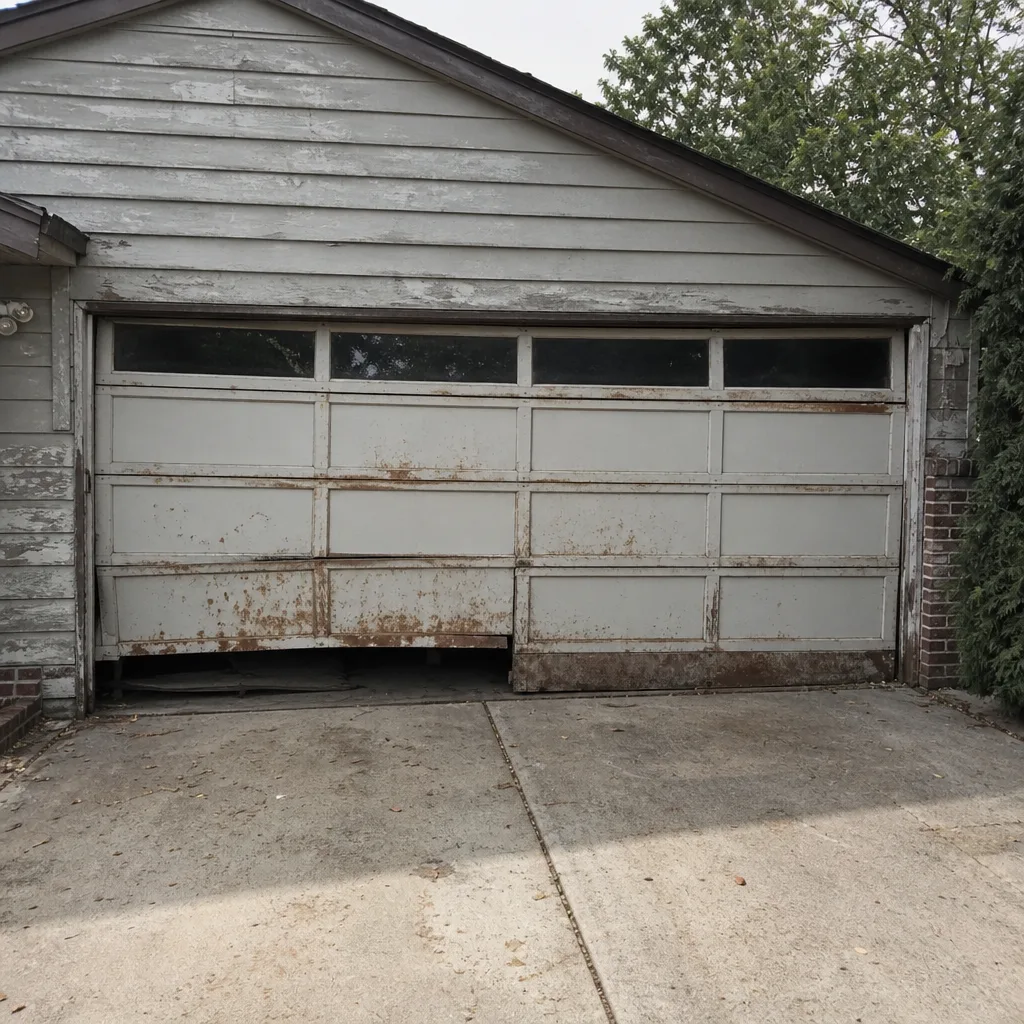 Before
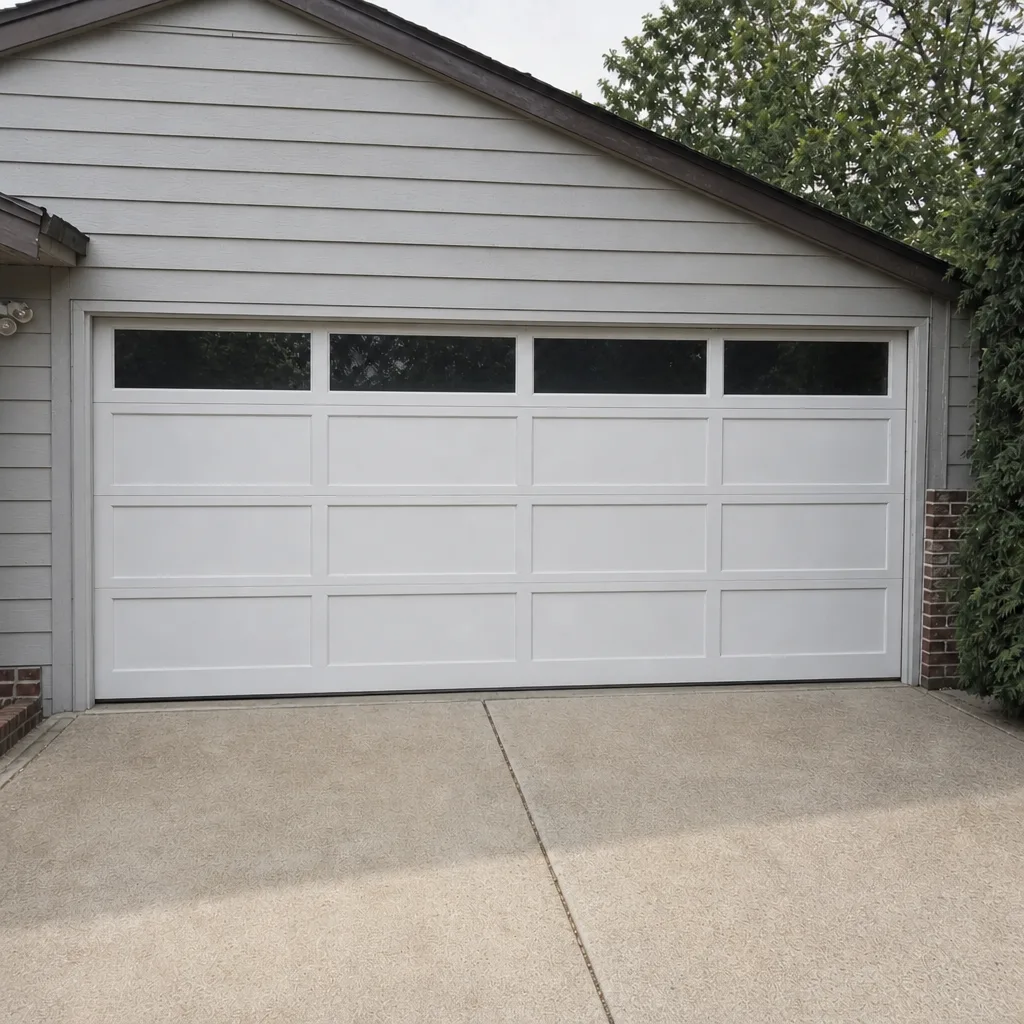 After
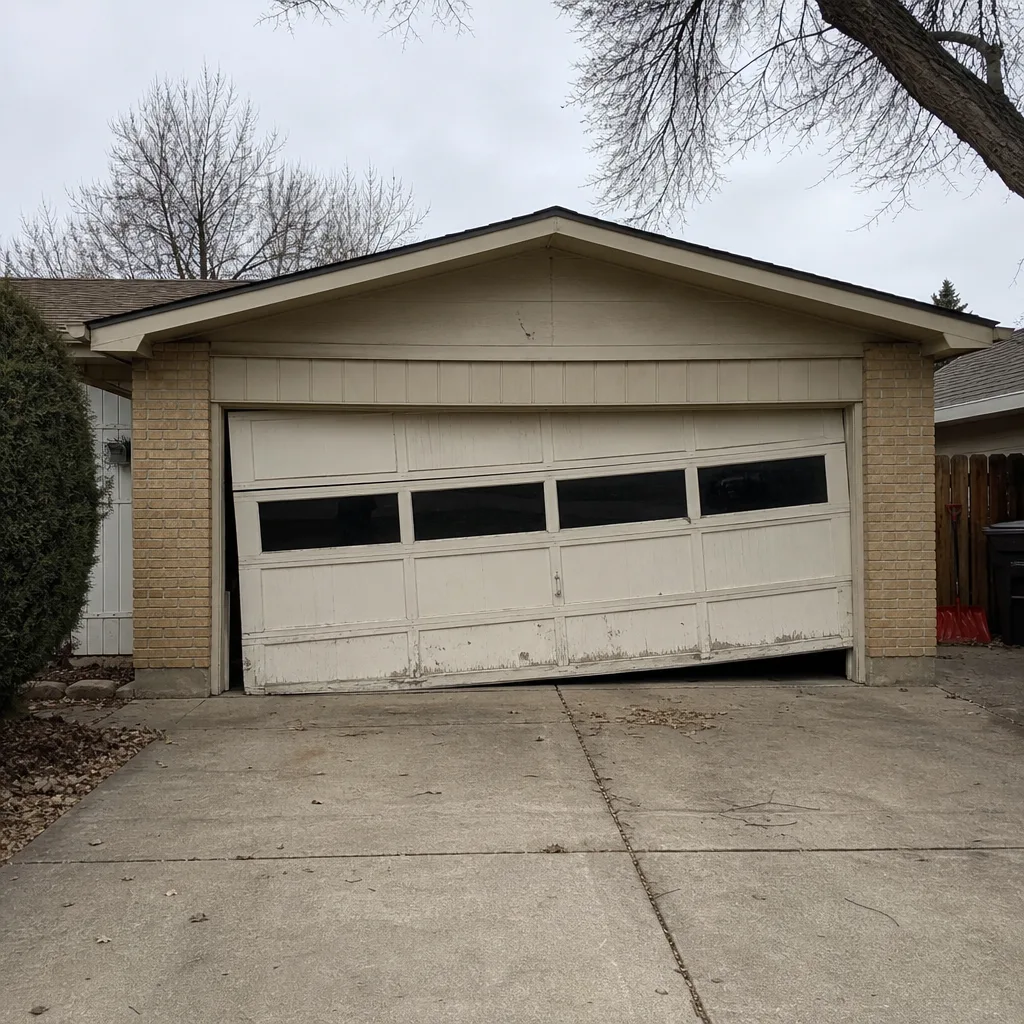 Before
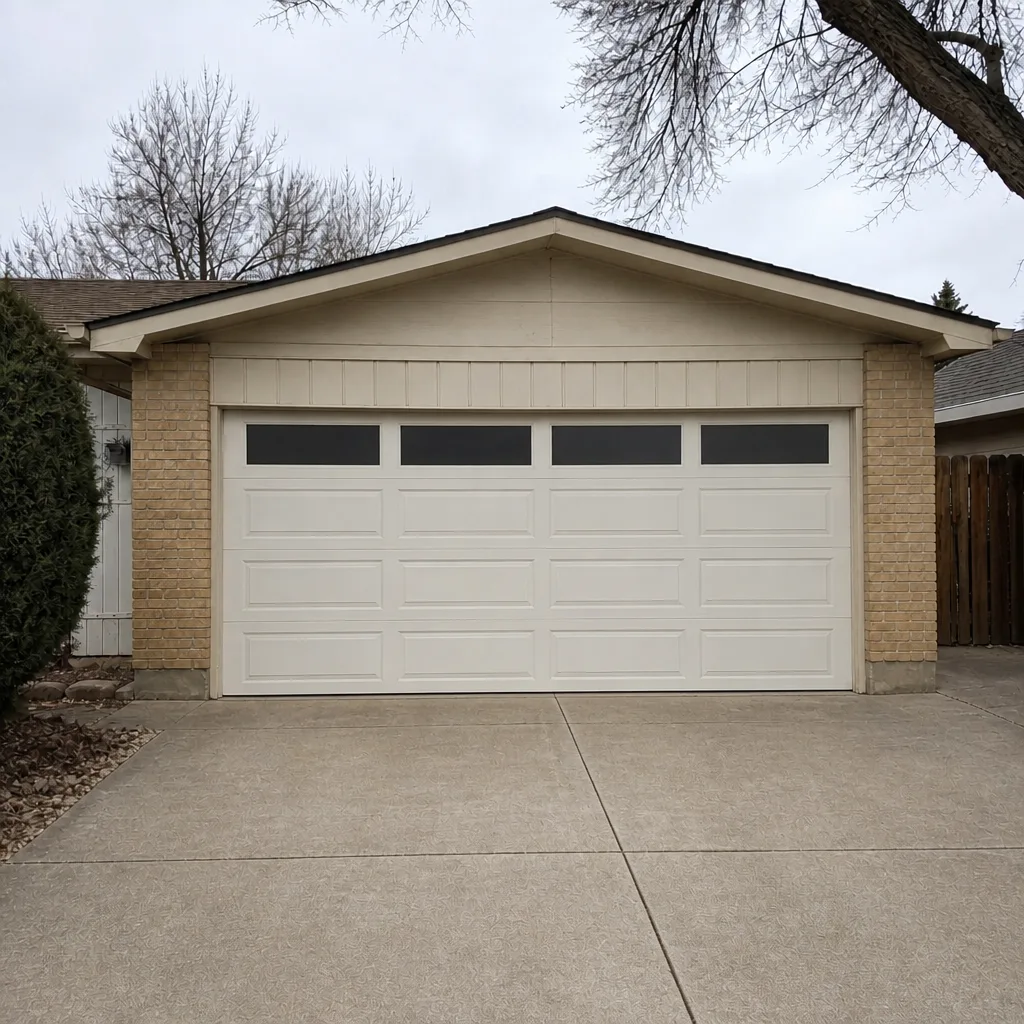 After
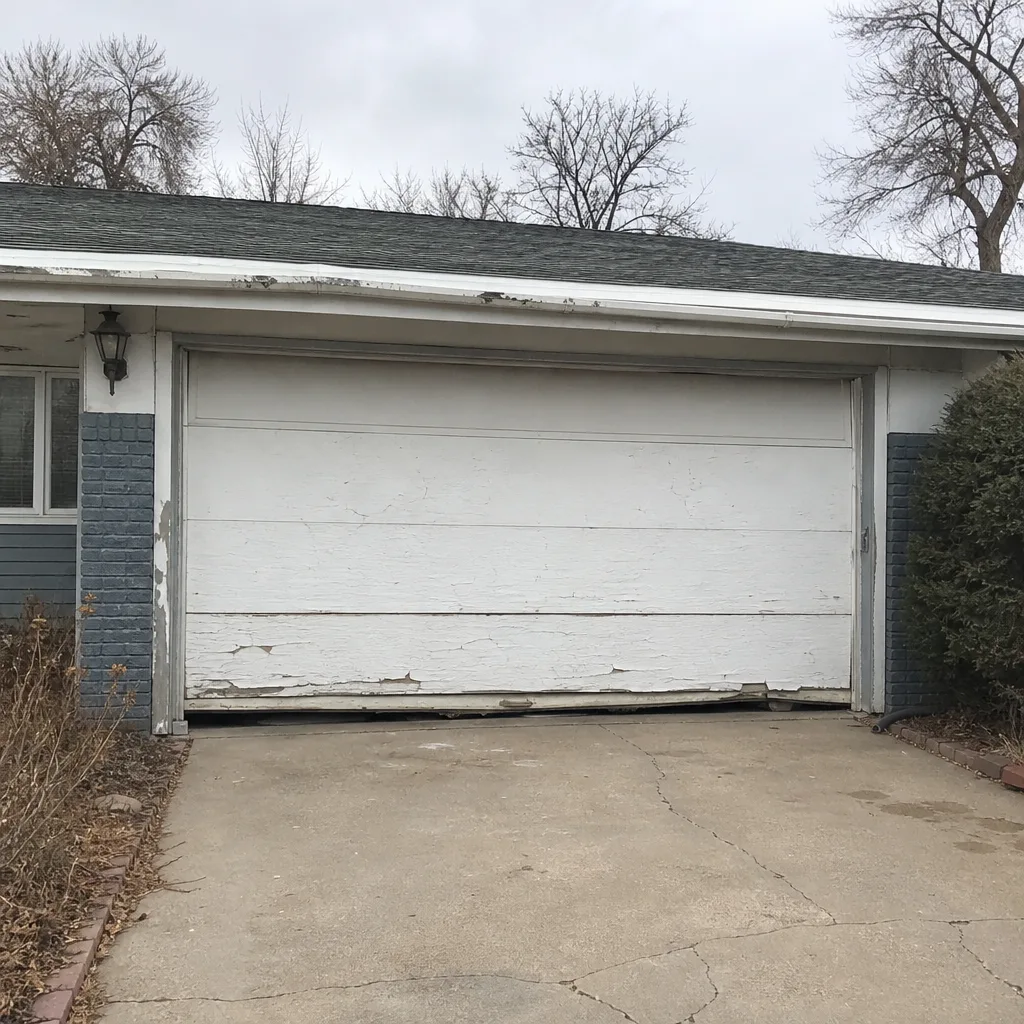 Before
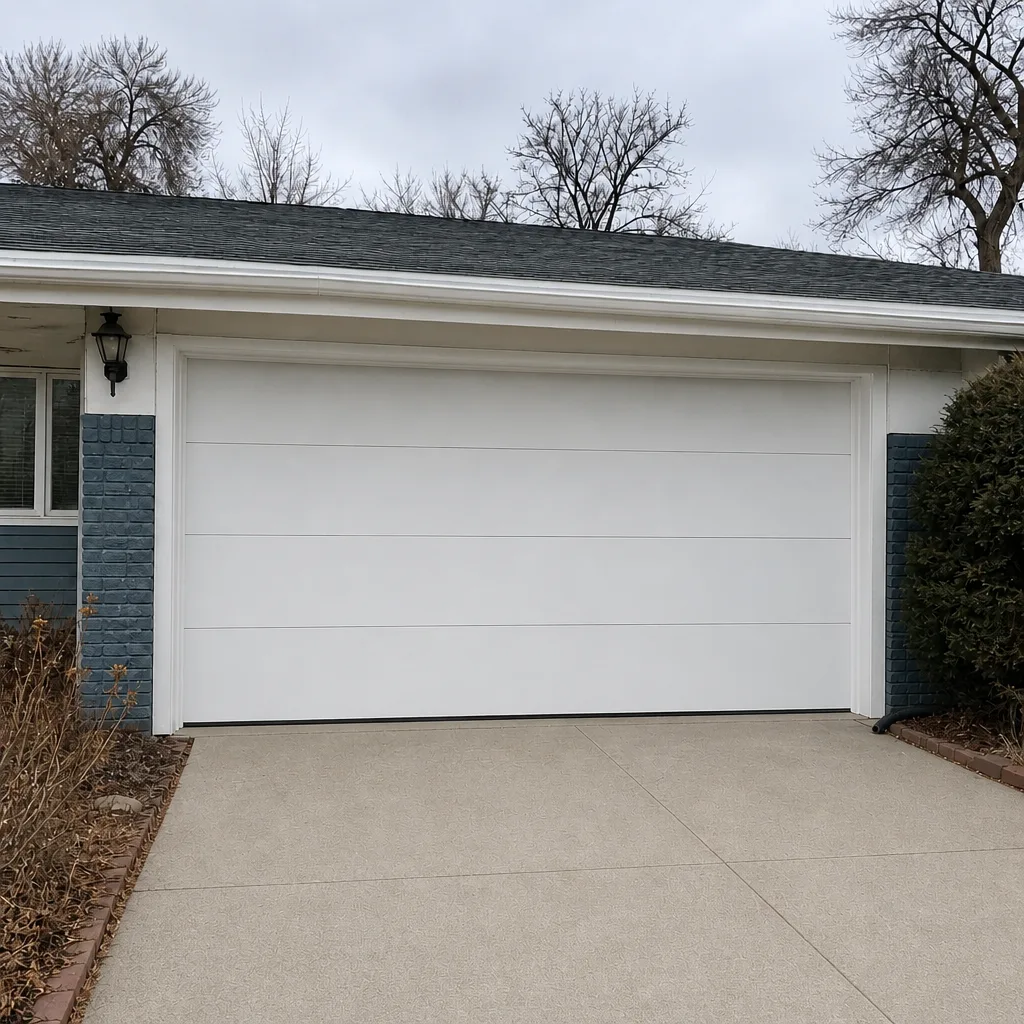 After
When to Call a Professional
Some garage door problems are clearly a call – a broken spring, a snapped cable, a door that won’t open or close at all, a door hanging off one track, or anything that looks physically dangerous. Others are just as clear once you know what to listen for: an opener that runs but doesn’t lift the door, a remote that only works from a foot away, a door that reverses halfway down, or one that’s gotten loud enough to wake the house. If the door is off its track, do not try to force it back on. If a spring is visibly broken, keep the door shut and call. For anything ambiguous, a diagnostic visit costs nothing more than the time it takes. Hampden Garage Door Repair offers free estimates in Hampden – call (855) 490-5104. We answer 24/7. Fast dispatch from 7am to 7pm, Sunday through Friday.
Frequently Asked Questions
No. Colorado does not require a state license for garage door work, which means there’s no license record to look up. Verify insurance and bonding instead, and ask about manufacturer certification for the brand you own. Call (855) 490-5104 for an exact quote – estimates are free.
Ask which brands they work on regularly, whether they handle spring repair themselves, whether they stock parts, and whether they service openers as well as doors. A specialist answers all four with specifics; a generalist gets vague. Name recognition for brands like Chamberlain, Genie, Clopay, or Amarr is a good sign, since it shows breadth rather than a single-kit operation. Call (855) 490-5104 if you’d like to run those questions past us.
Ask what’s included: one spring or a matched pair, what cycle rating, and what warranty. A pair costs about twice a single spring, so a low quote is often a single spring or a lower-grade part. Get the details in writing before you agree to anything. Call (855) 490-5104 for an exact quote – estimates are free.
Not without your agreement. The written estimate is the price, and it’s quoted and agreed before any work starts. If the technician finds a problem that changes the scope, the work pauses and you get a revised quote first. Call (855) 490-5104 for an exact quote – estimates are free.
Yes. One company covering parts, labor, and opener programming means one responsible party if a warranty claim comes up, instead of a dispute between a door installer and an opener manufacturer. That single-source setup is how we work, and it’s worth asking about when you hire. Call (855) 490-5104 for an exact quote – estimates are free.
Our technicians have up to 13 years of experience, and the local professionals we connect you with are licensed and insured as their state requires. Ask any contractor you’re considering for proof of insurance and bonding in writing. Call (855) 490-5104 for an exact quote – estimates are free.
The Bottom Line
Hiring a garage door contractor in Hampden comes down to a few decisions made early. Colorado doesn’t hand you a license to check, so you verify insurance, bonding, and manufacturer certification yourself. You ask five specific questions that separate a specialist from a generalist. You read the estimate line by line, insist on a parts-and-labor breakdown, and treat a suspiciously low spring price as the question it is. You choose a company that handles parts, labor, and openers under one roof so warranty claims don’t become a blame game. And you get the price in writing before work starts. Do that, and the odds of a problem drop sharply. Call (855) 490-5104 for a free estimate.
Written by the team at Hampden Garage Door Repair.